Меню

период

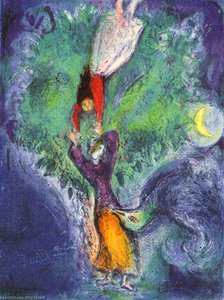
  1. So she came down from the tree — Марк Шагал, 1948
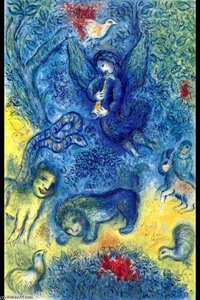
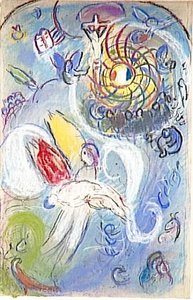
  2. The Magic Flute — Марк Шагал, 1967
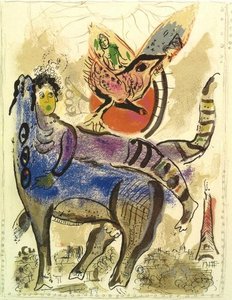
  3. A blue cow — Марк Шагал, 1967
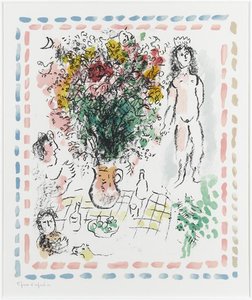
  4. The bouquet of Queen — Марк Шагал, 1984
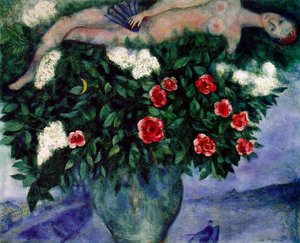
  5. The Woman and the Roses — Марк Шагал, 1929
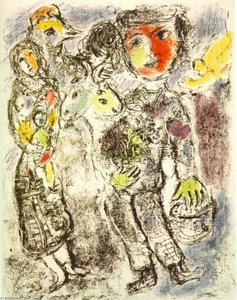
  6. Couple of peasants — Марк Шагал, 1967
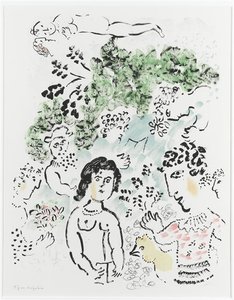
  7. The green branch — Марк Шагал, 1984
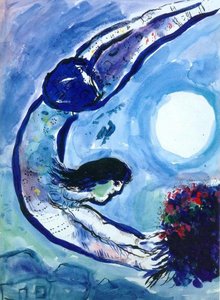
  8. Acrobat with bouquet — Марк Шагал, 1963
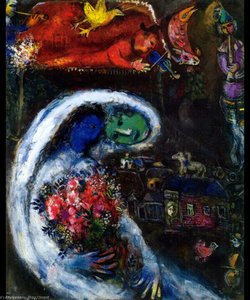
  9. Невеста с голубым лицом — Марк Шагал
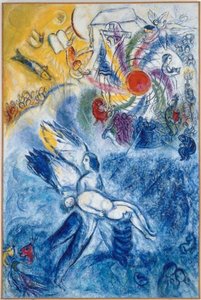
  10. Создание человека — Марк Шагал, 1958
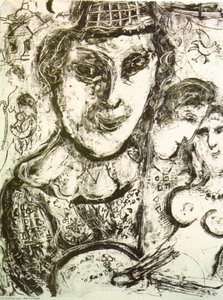
  11. Self-portrait — Марк Шагал, 1963
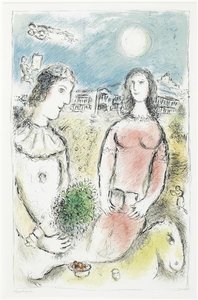
  12. A couple in twilight — Марк Шагал, 1980
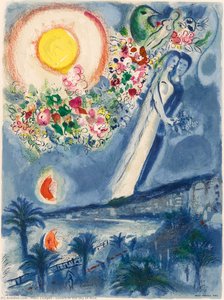
  13. Lovers in the Sky of Nice — Марк Шагал, 1964
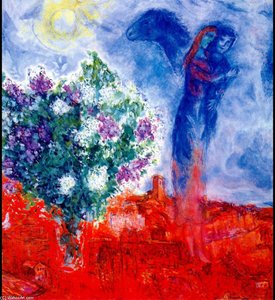
  14. Lovers over Sant Paul — Марк Шагал, 1970
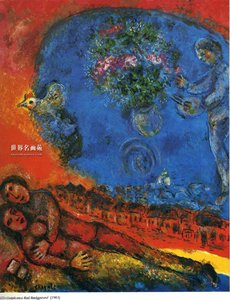
  15. Couple on a Red Background — Марк Шагал, 1983
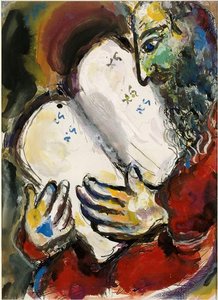
  16. Ten Commandements — Марк Шагал, 1966
  17. The Creation of Man (8) — Марк Шагал, 1958
движение

  1. Self-portrait — Марк Шагал, 1963

атмосфера

  1. The Woman and the Roses — Марк Шагал, 1929
  2. The frog who wished to be as big as the ox — Марк Шагал, 1930
  3. Невеста с голубым лицом — Марк Шагал
  4. Lovers in the Sky of Nice — Марк Шагал, 1964
  5. Lovers over Sant Paul — Марк Шагал, 1970
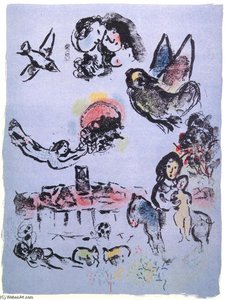
  6. Nocturne at Vence — Марк Шагал, 1963
  7. The Creation of Man (8) — Марк Шагал, 1958
темы

  1. Couple on a Red Background — Марк Шагал, 1983

ключевые слова

тон

  1. A blue cow — Марк Шагал, 1967
  2. Couple of peasants — Марк Шагал, 1967
  3. Self-portrait — Марк Шагал, 1963
  4. A couple in twilight — Марк Шагал, 1980
  5. Ten Commandements — Марк Шагал, 1966

основной цвет

  1. Couple of peasants — Марк Шагал, 1967
  2. Nocturne at Vence — Марк Шагал, 1963
  3. The Creation of Man (8) — Марк Шагал, 1958
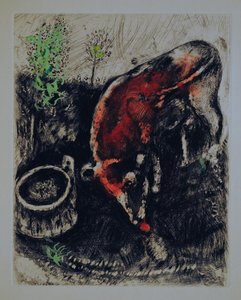
  4. A blue cow — Марк Шагал, 1967
  5. Acrobat with bouquet — Марк Шагал, 1963
  6. Lovers in the Sky of Nice — Марк Шагал, 1964
  7. The bouquet of Queen — Марк Шагал, 1984
  8. The green branch — Марк Шагал, 1984
  9. A couple in twilight — Марк Шагал, 1980
  10. Создание человека — Марк Шагал, 1958
  11. Untitled (752) — Хуан Ромеро
  12. So she came down from the tree — Марк Шагал, 1948
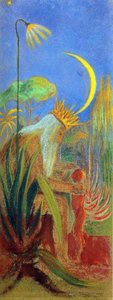
  13. Sketch II for vitrage dyptich "Rex" — Микалоюс Константас Чюрлёнис, 1904