Продавайте свое искусство
Русский
USD
Меню
БЕСПЛАТНАЯ КОНСУЛЬТАЦИЯ ПО ИСКУССТВУ
О нас
Связаться с нами
Русский
USD
Купить
Картины на заказ
Авторские принты на заказ
Арт-аукционы
Руководство коллекционера: Как выбрать свой первый шедевр
Руководство по декорированию репродукциями
Подарочные услуги
Руководство по выбору произведений искусства в качестве корпоративных подарков
Превратите ваше фото в живописное полотно
Поиск по интерьеру
Помощник по декорированию: Гостиная
Помощник в декорировании: спальня
По случаю
Получайте бесплатные рекомендации по искусству
Моя корзина
Личный кабинет, Избранное, Заказы
Художники
Все художники
Все виды техник
По периодам искусства
По цветам произведений
По алфавиту
По году рождения
Все техники и материалы
Все настроения
По эмоциональному настрою
По странам рождения
По интенсивности цвета
По тематике произведений
Восхождение женщин-художниц
Мастера Ренессанса
Заказ произведений искусства сегодня
Как мы работаем с частными коллекционерами
Создание портфолио художника для корпоративного сектора
Произведения искусства
Весь каталог произведений
По направлениям
Все виды техник
По технике исполнения
Поиск по цвету
Расширенный поиск по цвету
По цветовой палитре
Все настроения
Подарки по случаю
По периодам
По темам
Как выбрать подходящий размер холста
Техники и стили
Все стили
Абстрактное искусство
Импрессионизм
Эпоха Возрождения
Барокко
Экспрессионизм
Подбор произведений искусства по стилю
История импрессионизма
От барокко к модернизму
Индивидуальные консультации по стилю
Все техники живописи
Как цвет формирует настроение в искусстве
Подбор искусства по цвету
Хронология художественных направлений
Музеи
Все музеи
Шедевры музеев мира
Виртуальные туры: онлайн-экскурсии по музеям
Частные визиты в музеи для VIP-клиентов
По странам
По городам
По техникам исполнения
Статьи
Все статьи
По ключевым словам
По категориям
По тональности
По стилю
Основы коллекционирования искусства
Понимание художественных направлений
Искусство в домашнем интерьере
Искусство как инвестиция
Услуги
О компании
Подпишитесь на нашу рассылку
Часто задаваемые вопросы (FAQ)
Отзывы
Галерея картин
Техника живописи
Арт-консьерж
Экспертная оценка искусства
Продавайте свое искусство
Преимущества владения репродукциями маслом
Частные VIP-заказы
Истории наших клиентов
Связаться с нами
Главная
Произведения искусства
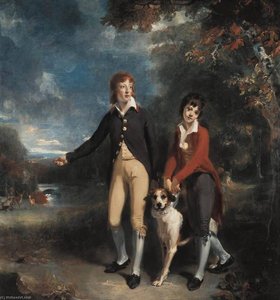
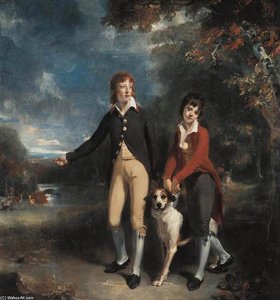
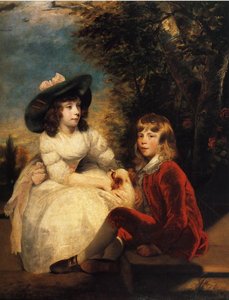
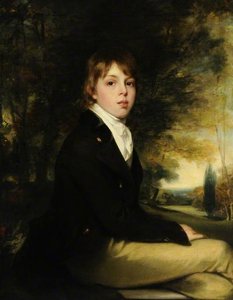
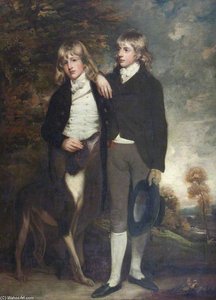
The Masters Pattison William Henry Ebenezer Pattison (1801–1832), and His Brother Jacob Howell Pattison (1803–1874)
Похожие работы
период
движение
атмосфера
темы
ключевые слова
тон
основной цвет
другое
период
движение
атмосфера
темы
ключевые слова
тон
основной цвет
другое
период
The Two Sons of the 1st Earl of Talbot
— Сэр Томас Лоуренс, 1793
Two Men And A Woman Washing Cloths
— Кацусика Хокусай
Portrait of a Young Girl in Red
— Тео ван Рисслельбергх, 1887
Two Women under a Red Tree
— Одилон Редон, 1905
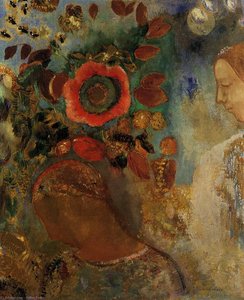
Two Young Girls among the Flowers
— Одилон Редон, 1912
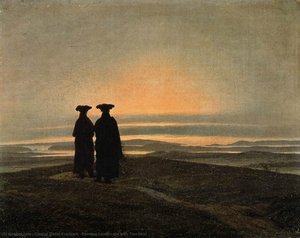
Вечерний пейзаж с двумя людьми
— Каспар Давид Фридрих, 1830
движение
The Two Sons of the 1st Earl of Talbot
— Сэр Томас Лоуренс, 1793
атмосфера
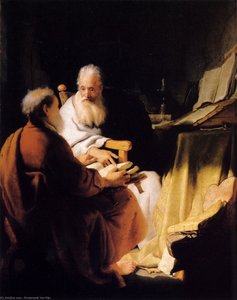
Two Old Men Disputing
— Рембрандт ван Рейн, 1628
темы
ключевые слова
тон
The Two Sons of the 1st Earl of Talbot
— Сэр Томас Лоуренс, 1793
основной цвет
The Angerstein Children
— Рейнольдс
Two Old Men Disputing
— Рембрандт ван Рейн, 1628
Two Young Girls among the Flowers
— Одилон Редон, 1912
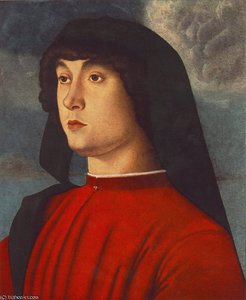
Portrait of a young man in red
— Джотто Беллини
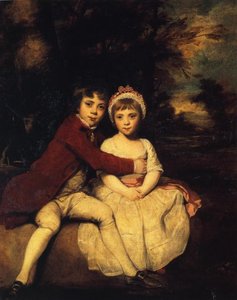
John Parker and his Sister Theresa
— Рейнольдс, 1779
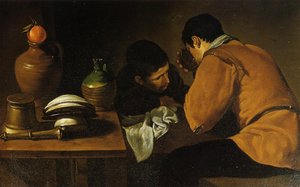
Two Young Men Eating At A Humble Table
— Диего Родригес де Сильва и Веласкес, 1622
Master Millward
— Томас Филлипс
Master pelham
— Джордж Роминг
Portrait of Mary Sheppard Portrait of Thomas Sheppard A Pair
— Джон Петер Расселль
Portrait of a Young Girl in Red
— Тео ван Рисслельбергх, 1887
Portrait of a Young Girl
— Маури́с Брэйли́з Прендергаст, 1913
The Two Sons of the 1st Earl of Talbot
— Сэр Томас Лоуренс, 1793
The Two Sons of the 1st Earl of Talbot
— Сэр Томас Лоуренс, 1793
Two Women under a Red Tree
— Одилон Редон, 1905
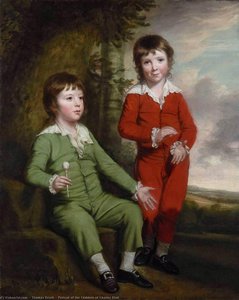
Portrait of the Children of Charles Blair
— thomas beach, 1769
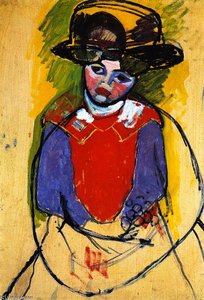
Two Superimposed Oil Studies
— Алексей Георгиевич Явленский, 1909
другое
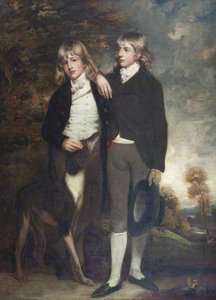
The Honourable John Cust (1779–1853), Later 1st Earl Brownlow, GCH, FRS, MP, and His Brother The Honourable and Later Reverend Henry Cockayne Cust (1780–1861)
— Хоппнер, Джон, 1795
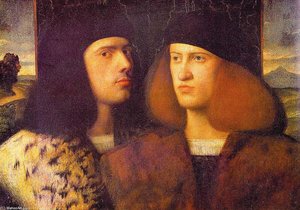
Portrait of Two Young Men
— Джованни Кариани
The Honourable John Cust
— Хоппнер, Джон
Retrato de Master Ward
— Джордж Роминг
Portrait of Two Young Men
— Яцек Мальчевский
The Binning Children
— sir henry raeburn, 1811
Complete collection index
A
Ассистент студии
В сети · отвечает за минуту
×
Привет! Я могу помочь вам выбрать произведение искусства, отследить заказ или ответить на вопросы о гарантии. Чем я могу быть полезен?
Отправить
Хотите связаться с оператором?
Напишите нам по e-mail
WhatsApp
Viber
Ассистент студии ArtsDot