 Предпросмотр
 Поделиться
 Поделиться
 Детали произведения

 Скачать
 Похожие работы
 Рентгенография
 Слайд-шоу
 Статистика
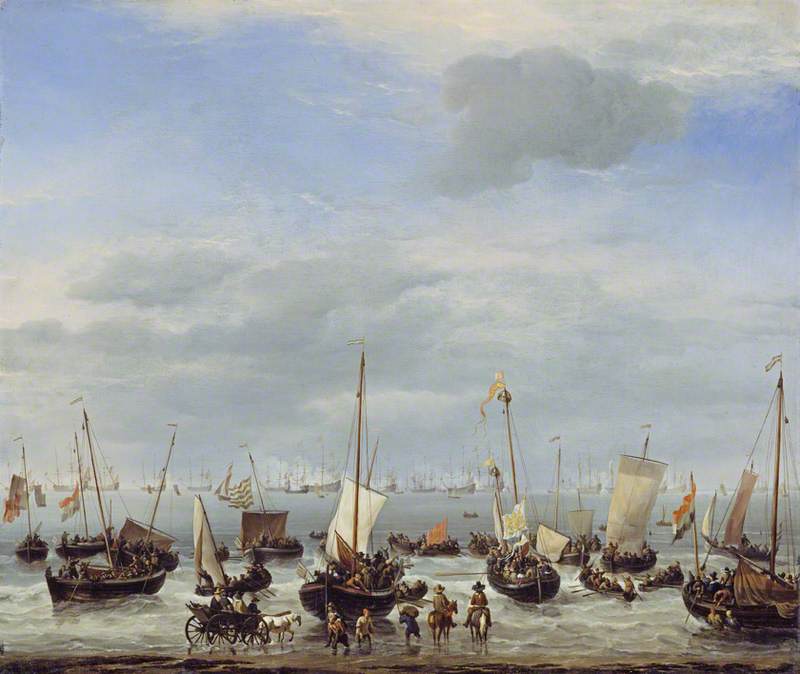
The Embarkation of Charles II at Scheveningen
 Oil On Canvas
- WallArt
 1661
1661 48.0 x 57.0 cm
 Уоллоус Коллекшн
 Читать далее
Масляная репродукция ручной работы
Картина маслом на холсте в выбранном вами размере и раме, написанная на заказ нашими художниками. ( Перейти к печати Перейти к цифровым изображениям)




P118B $10

P118H $10

P118W $10

P438Z $10

P508JH $12

P508YH $12

P805H $10

P805Z $10

P919BZ $10

P919G $10

P919XJ $10

P959ZH $10

P968JZ $12

W106C $8

W218G $10

W218JH $8

W218Y $10

W307PJ $10

W316G $10

W316PJ $8

W316Y $10

W398PJ $8

W4111J $10

W500HY $15

W500JH $15

W692G $12

W849H $8

W940BG $15

W953PJ $8




Выберите один из наших стандартных размеров, соответствующих оригинальным пропорциям произведения искусства.

Вы можете указать собственные размеры, чтобы картина идеально вписалась в выбранную раму или пространство. Если выбранный вами размер не соответствует пропорциям оригинала, мы либо обрежем полотно, либо расширим его за счет дополнительных элементов, написанных вручную. Цифровой макет будет отправлен вам на утверждение перед началом производства.
Обратите внимание, что предварительный просмотр на экране не отражает фактическую обрезку или расширение. Только макет точно покажет окончательную композицию.
Хотя доступны индивидуальные размеры, мы рекомендуем выбирать вариант из предопределенного списка, чтобы сохранить исходные пропорции.
После оформления заказа команда ArtsDot.com свяжется с клиентом по электронной почте для уточнения деталей и предоставит предварительный макет
Доставка по всему миру () за 3–4 недели вместо стандартных 5 недель. (13 Сентябрь). Без компромиссов в качестве.

Бесплатная экспресс-доставка по всему миру

Высококачественный льняной холст

Полное страхование доставки

Гарантия возмещения таможенных пошлин

Гарантия точного соответствия цветов

100-дневная политика возврата (только при обнаружении дефектов)

Гарантия возврата 100% средств

Предложение оптовых скидок
 Вариант со стеклом доступен только для размеров менее 110 см

The Embarkation of Charles II at Scheveningen
Техника репродукции
Размер репродукции
-


Итоговая стоимость
$ 363
The Embarkation of Charles II at Scheveningen – A Dutch Golden Age Masterpiece
Willem van de Velde the Elder’s “The Embarkation of Charles II at Scheveningen,” painted circa 1661, is more than just a maritime scene; it's a meticulously crafted window into a pivotal moment in English and Dutch history. This oil-on-canvas work, now residing within The Wallace Collection in London, captures the vibrant energy of a royal departure – Charles II’s journey to Scheveningen, Netherlands, marking a significant diplomatic maneuver amidst the turbulent political landscape of the 17th century. Van de Velde's skill lies not merely in depicting ships and figures, but in conveying an atmosphere of controlled chaos, formality, and subtle power.
The painting immediately draws the eye with its expansive composition. A horizontal arrangement dominates, mirroring the vastness of the North Sea and the coastline. The foreground is a carefully orchestrated tableau: elegantly dressed dignitaries, identifiable by their elaborate attire and ceremonial flags, mingle with sailors aboard numerous vessels – from stately galleons to smaller, more nimble boats. Horses, likely involved in transporting officials or providing a visual spectacle for the occasion, are strategically placed on land, adding to the scene’s sense of grandeur. The eye is then guided through the middle ground, teeming with activity as ships prepare to set sail, their masts and sails creating dynamic diagonals that inject movement into the otherwise static composition.
Van de Velde's mastery of technique is evident in every brushstroke. He employed a masterful use of linear perspective, subtly diminishing the size of distant ships to create an illusion of depth – a hallmark of Dutch Golden Age painting. The artist’s meticulous attention to detail is particularly striking in the rendering of the sails, which ripple and billow with remarkable realism, capturing both their texture and movement. The muted color palette—a symphony of blues, greys, browns, and beiges—evokes the atmospheric conditions of a cloudy day, lending an air of quiet observation rather than dramatic spectacle. The subtle use of red and orange in the flags provides vital focal points, highlighting the importance of this royal event.
A Window into Dutch-English Relations
“The Embarkation of Charles II at Scheveningen” is inextricably linked to the complex political relationship between England and the Netherlands during the mid-17th century. Following the English Civil War, Charles II sought refuge in Holland, skillfully navigating the precarious balance between loyalty to his father, King James II, and the burgeoning Protestant movement in England. This voyage to Scheveningen was a carefully orchestrated diplomatic mission, designed to secure support from Dutch merchants and officials. Van de Velde’s painting serves as a visual record of this pivotal moment, capturing not just the event itself but also the underlying tensions and strategic considerations that shaped Anglo-Dutch relations.
The inclusion of Charles II himself, though perhaps subtly rendered, is significant. The King's presence underscores the importance of the occasion and highlights his carefully cultivated image as a symbol of stability and legitimacy. Furthermore, the painting reflects the prevailing artistic trends of the Dutch Golden Age – a period characterized by an unparalleled commitment to realism, meticulous detail, and a fascination with maritime subjects. Van de Velde’s work stands alongside other celebrated Dutch marine paintings, such as those by Jan van de Cappelle and Pieter Claesz, demonstrating the Netherlands' position as a leading center for artistic innovation.
The Art of “Penschilderij” – A Unique Technique
Van de Velde the Elder was renowned for his pioneering technique known as "penschilderij" (pen painting). Unlike traditional oil painting methods, which rely on layering thin glazes to build up color and texture, penschilderij involved creating detailed, durable artworks using ink on panel or canvas. This innovative approach allowed Van de Velde to achieve an astonishing level of precision and detail, mimicking the appearance of elaborate drawings while maintaining the durability of a painted work. The fine lines and sharp edges visible in “The Embarkation of Charles II at Scheveningen” are testament to this unique technique.
This meticulous approach is particularly evident in the rendering of the ships’ rigging, sails, and figures – each element rendered with painstaking accuracy. The artist's use of a fine brush and carefully controlled ink allowed him to create incredibly detailed textures and patterns, capturing the subtle nuances of light and shadow. “Penschilderij” was not merely a technical innovation; it also reflected Van de Velde’s artistic philosophy – a commitment to realism and an appreciation for the beauty of detail.
Symbolism and Emotional Resonance
While “The Embarkation of Charles II at Scheveningen” is primarily a historical record, it also carries subtle symbolic weight. The orderly arrangement of figures and ships suggests a sense of control and authority – reflecting the King’s carefully managed diplomatic strategy. The cloudy sky and muted color palette evoke a feeling of quiet contemplation, suggesting that this event was not merely a political maneuver but also a moment of significant historical consequence.
Despite its formal composition, the painting possesses an undeniable emotional resonance. The bustling activity of the harbor, the presence of dignitaries and sailors, and the anticipation of departure all contribute to a sense of vibrant energy. “The Embarkation of Charles II at Scheveningen” is not simply a depiction of a historical event; it’s a powerful evocation of a specific time and place – a testament to the skill and artistry of Willem van de Velde the Elder.
Похожие произведения



Биография художника
Early Life and Artistic Beginnings
Винт ван де Вельде старший, выдающийся художник эпохи Золотого века Нидерландов, родился в Леуваене примерно в 1611 году. Его отец, Вилем Виллемс из ван де Вельда, был фламандским капитаном судна – профессия, которая, вероятно, оказала влияние на интерес сына к морскому искусству. С самого детства он, возможно, сопровождал отца в плавающих экспедициях, что сформировало его взгляд на мир и, впоследствии, отразилось в его работах. Несмотря на то, что официального художественного образования у него не было, Винт ван де Вельде старший быстро проявил талант и начал свою карьеру как художник-портретист, а затем – художника морских пейзажей. Его ранние работы демонстрируют влияние фламандской живописи, но уже в них можно заметить зарождение его уникального стиля.Artistic Style and Innovative Techniques
Винт ван де Вельде старший прославился благодаря своему новаторскому подходу к созданию морских картин. Он разработал технику "пен-скульперирования" (penschilderij), которая заключалась в создании детализированных, долговечных произведений искусства с использованием чернил на панели или холсте. Этот инновационный метод позволял его картинам приобретать сходство с сложными рисунками, сохраняя при этом прочность живописного полотна. Он был мастером создания реалистичных изображений кораблей и морских сражений, уделяя особое внимание деталям и передавая атмосферу бушующего моря. Его работы отличались поразительной точностью и вниманием к мельчайшим деталям – от развевающихся парусов до отражения света на воде.Notable Works and Royal Patronage
Винт ван де Вельде старший создал множество значительных произведений искусства, среди которых особое место занимают "Битва при Текселе" (1687) и серия рисунков, изображающих сражения между голландскими и английскими флотами. Особое внимание привлекает его работа "Сгоревшая королевская Джеймс во время битвы при Сольбее", выполненная в виде подробного рисунка. В 1672 году, в период серьезных политических потрясений для Республики Золотого Века, Винт ван де Вельде и его семья переехали в Лондон, где получили покровительство короля Карла II. Король был впечатлен мастерством художника и предоставил ему ежегодную пенсию и просторный мастерскую в Кенсингтонском дворце. Благодаря этому сотрудничеству художник создал ряд картин британских кораблей и морских сражений, которые стали важной частью королевской коллекции.Legacy and Influence
Влияние Винта ван де Вельде старшего на развитие морского искусства трудно переоценить. Его новаторские техники, внимание к деталям и плодотворное сотрудничество с выдающимися деятелями культуры закрепили его место в истории искусств. Его работы оказали значительное влияние на художников последующих поколений, а его техника "пен-скульперирования" стала эталоном для многих мастеров. Винт ван де Вельде старший – это не просто художник, но и символ эпохи Золотого Века Нидерландов, воплощение мастерства, точности и страсти к изображению морской стихии. Его наследие продолжает вдохновлять художников и исследователей искусства по всему миру.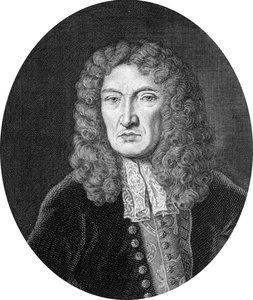
Виллем ван де Вельде Старший
1611 - 1693 , Нидерланды
Основные сведения
- Artistic Movement Or Style: Пенальная живопись, морские пейзажи
- Artists Or Movements Influenced By This Artist: ['Виллем ван де Вельде младший']
- Artists Who Influenced This Artist: ['Его отец (Виллем Виллемсз)']
- Date Of Birth: 1611, Лейден, Нидерланды
- Date Of Death: 1693, Лондон, Англия
- Full Name: Виллем ван де Вельде старший
- Nationality: Нидерландский золотой век
- Notable Artworks:
- Битва при Текселе
- Возгорание королевского Джеймса в битве при Сольбэй
- Place Of Birth: Лейден, Нидерланды
Похожие статьи

Золотой век Голландии: 10 шедевров, изменивших искусство | ArtsDot.com
Погрузитесь в эпоху Золотого века Нидерландов! 10 шедевров Рембрандта, Вермеера и других мастеров. Узнайте истории создания культовых картин и вдохновитесь для интерьера. Репродукции музейного качества на ArtsDot.com.
Abraham Hulk Senior: Pioneering Maritime Topography of the Dutch Golden Age
Explore the captivating seascapes of Abraham Hulk Senior, a leading Anglo-Dutch marine painter of the 19th century. Discover his signature style, family legacy & collectable artworks at ArtsDot.
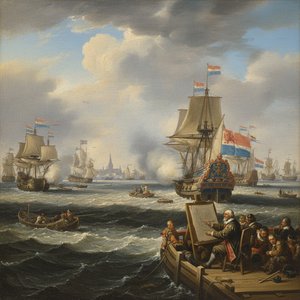
Willem van de Velde the Elder: Master of Maritime Painting & Chronicler of the Dutch Golden Age
Discover the captivating maritime paintings of Willem van de Velde the Elder, a master chronicler of the Dutch Golden Age. Explore his unparalleled realism and lasting influence on naval art history.

Illuminating Innovation: Exploring the Dutch Golden Age of Painting
Explore the Dutch Golden Age of painting with ArtsDot. Discover Rembrandt, Vermeer & other Masters. Learn about key characteristics, iconic artworks, and lasting influence. Expert insights for collectors & enthusiasts.
Charles Leickert: Capturing the Dutch Golden Age Light – A Comprehensive Study of Technique, Context, and Legacy
Explore the captivating winter landscapes of Charles Leickert, a master of Dutch Golden Age light & atmosphere. Discover his techniques, symbolism, and lasting legacy – a comprehensive study for art enthusiasts and collectors.