The Allure of Antiquity: Why Victorian Aesthetics Endure in Modern Design
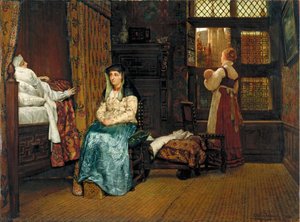 The Visit A Dutch Interior
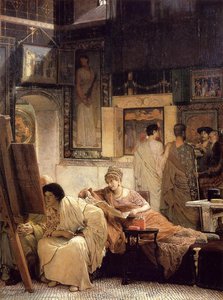
A Glimpse into Victorian Domesticity Sir Lawrence Alma-Tadema’s *The Visit*, painted in 1868, offers a captivating snapshot of everyday life rendered with exquisite detail and a distinctly Victorian sensibility. Measuring 49 x 65 cm, the oil painting...
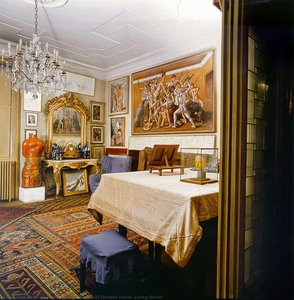
There is a profound, quiet magic that occurs when one steps into a room anchored by the weight of history. In an era often characterized by the rapid, digital ephemeralness of modern life, our homes have increasingly become sanctuaries for things that last. The Victorian era, a period defined by its rich textures and a deep reverence for domesticity, offers exactly this kind of emotional resonance. While contemporary design often leans toward the clean lines of minimalism, there is a growing movement away from what some call "sterile" or "monochrome" living, seeking instead a visual jolt of character and soul.
The enduring appeal of Victorian aesthetics lies in their ability to provide a sense of historical continuity. When we look at the works of masters like Sir Lawrence Alma-Tadema, particularly his intimate depictions of domestic life such as
The Visit, we see more than just paint on canvas; we see a celebration of shared experiences and the beauty found in quiet, everyday moments. By bringing these sensibilities into a modern home, we are not merely decorating; we are engaging in a silent dialogue with the past, inviting an atmosphere of permanence and grace into our contemporary sanctuaries.
Curating the Canvas: Integrating Classical Portraits into Contemporary Spaces
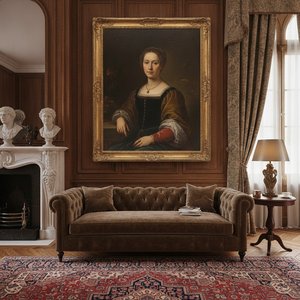 Timeless Elegance: The Ultimate Buyer's Guide to Choosing Classical Portraits for Sophisticated Interiors
The Allure of Antiquity: Why Classical Portraits Never Go Out of Style peter wolfgang van ceulen Peter Wolfgang van Ceulen: A Master of Classical Portraiture Peter Wolfgang van Ceulen (born 1867, Germany) stands as a testament to the enduring beauty ...
Integrating classical portraiture into a modern interior is an art form in itself, requiring a delicate balance between the old and the new. Unlike fleeting decor trends, a classical portrait carries a sense of dignity that can ground even the most avant-garde room. The key to success lies in choosing pieces that act as focal points—works that command attention through their subject matter and technical mastery. Whether it is the soft, introspective gaze found in Neo-Classical realism or the meticulous anatomical precision of late nineteenth-century masters, these portraits do more than decorate a wall; they curate an atmosphere.
For the modern enthusiast, this integration can be achieved by treating a portrait as a window into another world. A large-scale reproduction of a work by John William Godward, for instance, can introduce a sense of idealized beauty and serene light into a room dominated by neutral tones. The presence of such a piece provides a much-needed anchor, offering a connection to enduring traditions that complements the clean geometry of modern furniture. It is about finding that perfect tension between the stillness of the portrait and the dynamic energy of the contemporary space.
Harmonizing Eras: Blending Neo-Classical Textures with Minimalist Interiors
 Harmonizing Contrasts: Integrating Abstract Art into Classic Interiors for Timeless Modernity
The Enduring Appeal of Classic Interiors: Why Abstract Art Complements Timeless Design Harmonizing Eras: Classical & Modern Art for Timeless Interiors Explore the art of blending classical & modern aesthetics for timeless interiors. Discover key arti...
The true secret to a sophisticated, timeless interior lies in the art of harmonizing contrasts. There is a magnificent opportunity found within established elegance to introduce something unexpected: the rich, tactile textures of the Victorian and Neo-Classical styles. While minimalism provides the perfect, quiet stage, the introduction of textured elements—such as the plushness of upholstery or the intricate rendering of fabrics seen in Alma-Tadema’s work—adds a layer of sensory depth that prevents a space from feeling clinical.
One might consider how the interplay of light and shadow, often achieved through the timeless technique of oil on canvas, can breathe life into a minimalist room. By layering smooth, modern surfaces with the visible brushstrokes and impasto textures of a hand-painted reproduction, you create a conversation between eras. This approach allows for a design that celebrates order and symmetry while embracing the warmth and complexity of historical artistry. It is a subtle rebellion against the predictable, transforming a simple house into a curated gallery of human achievement.
A Symphony of Detail: Using Victorian Decorative Elements to Add Depth and Soul
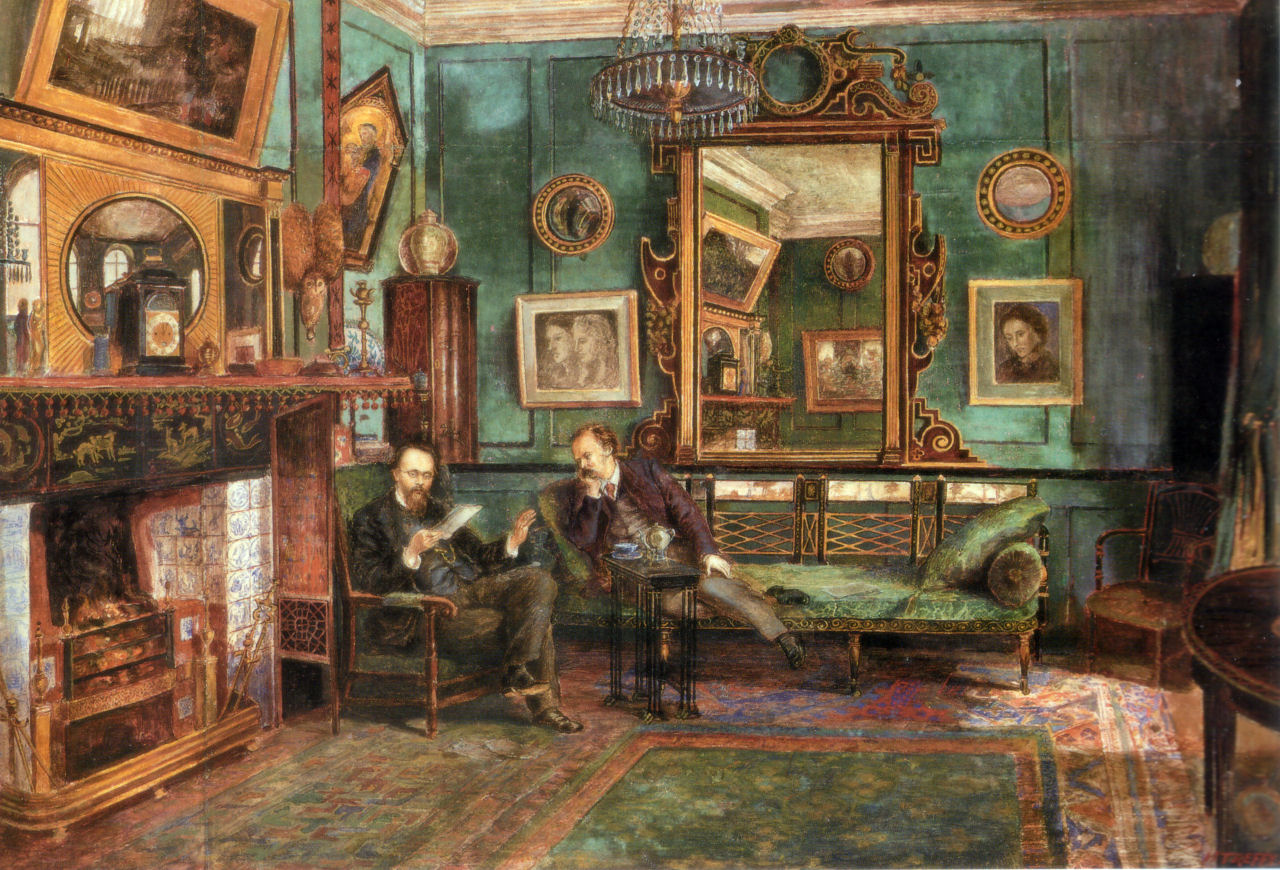 Victorian decorative arts
Victorian decorative arts are the style of decorative arts during the Victorian era. Victorian design is widely viewed as having indulged in a grand excess of ornament. The Victorian era is known for its interpretation and eclectic revival of histori...
Victorian design is often celebrated for its grand excess of ornament, yet when distilled for a modern context, its true value lies in its focus on detail and craftsmanship. The era’s fascination with the decorative arts—from the subtle elegance of the Aesthetic movement to the intricate patterns of the Arts and Crafts movement—offers a wealth of inspiration for adding soul to a room. It is about the careful curation of elements that suggest a story, much like the way Edward King Redmore captured the nuances of Victorian domestic life through his honest portrayals of ordinary beauty.
To avoid overwhelming a modern space, one should focus on singular, impactful details. This could be as simple as an accent piece that features the ornate architectural elements found in Neo-Classical paintings, or a collection of works that utilize a cohesive color palette to create rhythm throughout a room. The goal is to evoke the spirit of the era—its appreciation for the natural world and its dedication to craftsmanship—without sacrificing the breathable, airy quality of modern architecture. When done correctly, these details act as the heartbeat of the home, providing a sense of warmth and intimacy.
Personalized Legacies: Transforming Modern Memories into Victorian Masterpieces
 Iconic & Intense: The Definitive Trend Forecast on Why Classical Portraiture Dominates Modern Interiors
Beyond Minimalism: Why We’re Trading 'Sad Beige' for Historical Drama Dopamine Decor: How Bold Pop Art Transforms Neutral Interiors into High-Impact Statements The Death of Minimalism: Why Neutral Spaces Need a Visual Jolt For too long, the design wo...
Perhaps the most enchanting way to bring Victorian charm into your home is through the creation of personalized legacies. The beauty of art lies in its ability to transform personal milestones into something eternal. At ArtsDot.com, we believe that anyone can participate in this tradition of beauty. Through our bespoke services, you can "remix" history itself, taking a modern photograph and having it reimagined by professional artists in the breathtaking styles of the past.
Imagine transforming a cherished wedding portrait or a candid family moment into a grand oil painting that echoes the light-drenched elegance of Monet or the dramatic, classical grace of John William Godward. Our process allows for incredible customization, from adjusting color palettes to match your existing decor to even performing "Period Shifts," where a contemporary image is reimagined as a 17th-century masterpiece. This service turns your most precious memories into museum-quality heirlooms, ensuring that your personal history is woven into the very fabric of your home’s timeless aesthetic. Whether through a custom commission or a beautifully curated print, you are not just decorating; you are building a legacy of art and emotion that will endure for generations.