
The Psychology of Citrus: How Orange Hues Infuse Energy and Warmth into Your Space
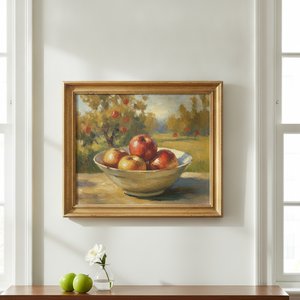 Sweet & Simple: How Apple Art Can Transform Your Home Decor with Timeless Impressionist Elegance
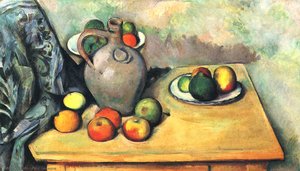
The Allure of the Orchard: Why Apple Still Lifes Create Instant Warmth Still Life with Milk Jug and Fruit Subject and Composition This captivating still life masterfully captures a simple yet evocative scene filled with everyday objects that resonate...
There is a profound, almost visceral reaction that occurs when we encounter the vibrant spectrum of citrus tones within a room. As an interior decorator, you know that color is never merely decorative; it is emotional architecture. When we introduce the sun-drenched ambers, deep burnt oranges, and bright, zesty yellows found in fruit art, we are doing more than adding pigment to a wall—we are inviting vitality into the home. These hues act as concentrated orbs of sunshine, capable of lifting the spirits of even the most muted spaces. In the quiet corners of a morning breakfast nook or the bustling energy of a modern kitchen, orange tones serve as anchors of warmth, fostering an atmosphere that feels both welcoming and revitalizing.
The magic lies in the balance of temperature. While cool blues and greens provide tranquility, they can sometimes lean toward the sterile if not tempered with heat. A well-placed piece of citrus-themed art provides that essential thermal balance. It stimulates conversation and appetite, making it a perfect choice for social hubs within a home. By selecting works that emphasize these radiant tones, you are essentially designing a space that breathes with life, ensuring that your clients' homes feel less like static showrooms and more like living, breathing sanctuaries of joy.
A Sensory Journey Through the Masters: From Dutch Still Life to Impressionist Radiance
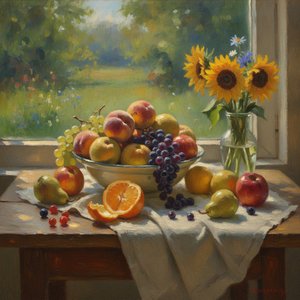 Luminous Harvests: The Sensory Magic and Radiant Light of Impressionist Fruit Still Lifes
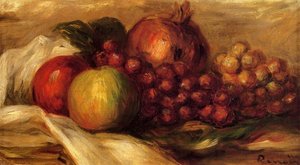
A Symphony of Light: The Allure of the Impressionist Still Life Still Life with Fruit Still Life with Fruit – A Celebration of Impressionistic Light Pierre-Auguste Renoir’s “Still Life with Fruit” stands as an exquisite exemplar of Impressionism, cap...
To truly appreciate the power of fruit in art, one must embark on a visual journey through the evolution of the still life genre. We begin in the golden, amber-hued light of the seventeenth-century Dutch Republic, where masters like Gerrit Willemsz Heda and Johannes Borman captured the delicate tension between abundance and decay. In these works, the fruit is often presented with a meticulous realism—a study of texture where one can almost feel the waxy sheen of an orange or the velvet skin of a peach. These early masterpieces utilized chiaroscuro, the dramatic interplay of light and shadow, to create a sense of profound stillness and symbolic depth.
As we move forward in time, the heavy shadows of the Baroque era give way to the luminous revolution of Impressionism. Here, the orange is transformed from a static object into a vessel of pure light. When we gaze upon the works of Pierre-August or William Merritt Chase, we are no longer just looking at produce; we are experiencing the ephemeral quality of a summer afternoon. In Renoir’s hands, light dances across the surfaces of apples and oranges with a breathtaking fluidity. The boundaries between the viewer and the canvas begin to dissolve as broken brushstrokes and vibrant, warm palettes capture the very breath of the atmosphere. This transition from the symbolic weight of the Dutch masters to the sensory feast of the Impressionists offers a rich palette for any decorator looking to evoke either quiet contemplation or exuberant energy.
Curating the Glow: Selecting Fruit Art for Different Room Moods and Light Conditions
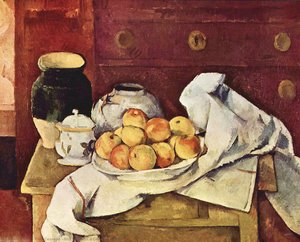
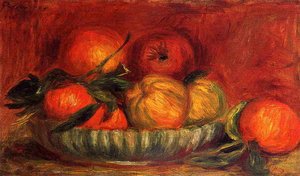 Still Life with Apples and Oranges 1
Captivating Subject and Composition This exquisite still life captures a vibrant arrangement of fresh apples and oranges, meticulously placed within a simple yet elegant bowl. The fruits spill over the edges, creating a sense of abundance and natural...
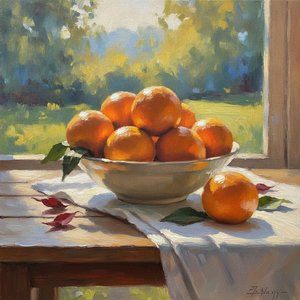
Selecting the right artwork requires a keen eye for how light interacts with both the canvas and the surrounding environment. For rooms bathed in natural, bright sunlight, such as sunrooms or large living areas, you might opt for the high-contrast, energetic compositions found in American Impressionism. Pieces that feature a dynamic spill of fruit—where oranges tumble from a bowl—can add a sense of movement and spontaneity to an otherwise structured room. These works thrive when they can catch the shifting light throughout the day, creating a shimmering effect that feels almost breathable.
Conversely, in more intimate or dimly lit spaces, such as hallways or study nooks, consider the more subdued, atmospheric tones of the Dutch tradition. A painting with deeper, more concentrated oranges and rich shadows can provide a sense of "glow" without overwhelming the small scale of the room. It creates a focal point that draws the eye inward, offering a moment of quiet luxury. When working with clients, always consider the color palette of the existing furniture; an orange-centric piece can beautifully contrast against deep navy upholstery or complement the natural wood tones of mid-century modern decor, creating a cohesive and intentional design narrative.
Beyond the Canvas: Integrating Vibrant Fruit Compositions into Modern Interior Design
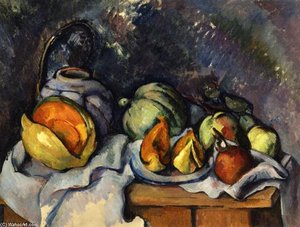
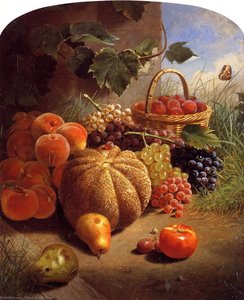 Still Life with Fruit
Still Life with Fruit – A Window into Impressionist Light William Merritt Chase’s “Still Life with Fruit,” painted in 1871, is more than just a depiction of luscious produce; it's a vibrant embodiment of the burgeoning Impressionist movement in Ameri...
Integrating classical themes into contemporary interiors is an art form in itself. The modern trend of "remixing" history allows us to take the timeless beauty of a fruit still life and apply it to sleek, minimalist settings. For instance, using a multi-panel or "group set" arrangement—where a single vibrant composition is split across three or five panels—can transform a wide, blank wall into a modern architectural feature. This technique adds a contemporary edge to the traditional subject matter, making the artwork feel like an integrated part of the room's structure rather than an afterthought.
For those seeking a more tactile experience, the choice between a Handmade Oil Reproduction and a high-quality print is crucial. A true oil painting on cotton canvas, with its visible, impasto brushstrokes and deeper tonal range, offers a physical depth that a flat print simply cannot replicate. The way light hits the raised texture of hand-painted oils creates a three-dimensional presence that commands attention. Whether you are designing a high-end hotel lobby or a cozy first home, these textures provide the "soul" of the room, bridging the gap between modern minimalism and classical opulence.
From Sketch to Sanctuary: The Magic of Commissioning a Custom Hand-Painted Citrus Masterpiece
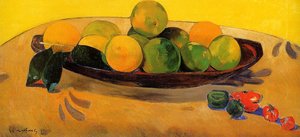
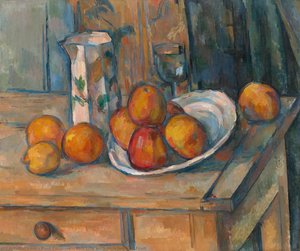 Still Life with Milk Jug and Fruit
Subject and Composition This captivating still life masterfully captures a simple yet evocative scene filled with everyday objects that resonate with warmth and familiarity. At its center, a white dish holds plump, vibrant oranges and a lemon, their ...
Perhaps the most rewarding way to complete a design vision is through the creation of a bespoke masterpiece. At ArtsDot.com, we believe that art should be as unique as the person living with it. Our custom commission process allows you to move beyond the existing catalog and truly personalize your space. Imagine being able to request a "Period Shift"—taking a modern photograph of a family heirloom or a beautiful bowl of fruit from your own garden and having it transformed into a 17th-century Dutch masterpiece or a light-drenched Impressionist dream.
This journey is meticulously managed by a dedicated Project Coordinator, ensuring that every detail—from the initial digital mockup to the final application of Damar varnish—meets museum-grade standards. We invite you to participate in the creative evolution: you can approve or request changes to the pre-ship photo, ensuring the colors perfectly match your room's palette before the painting even leaves our studio. Whether it is a large-scale mural for a boutique hotel or a small, intimate portrait of a cherished memory, commissioning a hand-painted work is an investment in a lasting legacy. It is the ultimate way to turn a house into a sanctuary, filled with the enduring zest for life that only fine art can provide.
For more inspiration on transforming your spaces through color and texture, explore our curated collections at ArtsDot.com.