



The Silent Ambassador: Establishing Brand Heritage through Visual Narratives
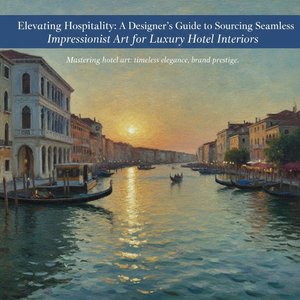 Elevating Hospitality: A Designer's Guide to Sourcing Seamless Impressionist Art for Luxury Hotel Interiors
The Silent Ambassador: Establishing Brand Heritage through Impressionist Narratives Timeless 19th Century Art Reproductions: A Strategic Procurement Guide for Hotel and Hospitality Interior Designers The Strategic Role of 19th Century Art in Hospital...
In the rarefied atmosphere of luxury hospitality, a hotel's visual narrative is far more than a mere collection of decorative accents; it serves as a silent ambassador of a brand’s heritage. For the discerning designer, selecting artwork is a strategic decision to establish authority and prestige. When a guest enters a lobby or an executive suite, they are not merely entering a room, but stepping into a curated story. The presence of classical realism offers a profound way to achieve this, moving beyond the fleeting trends of contemporary abstraction to anchor a space in a fundamental sense of permanence. Unlike the theatricality of Romanticism, Realism brings an objective truth to the interior, confronting the tangible textures of life with a poetic precision that commands respect.
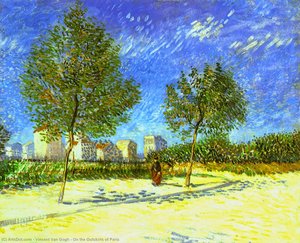
By integrating works that masterfully capture light, shadow, and human presence, designers can create environments that resonate with a sense of order and authenticity. This visual language provides a foundation of luxury that feels both timeless and deeply rooted in historical excellence. Whether it is the subtle nod to 17th-century Dutch domesticity or the sweeping grandeur of an Impressionist landscape, the art chosen acts as the cornerstone of brand identity, communicating a legacy of sophistication before a single word is exchanged between staff and guest.
Curating the Immersive Experience: From Lobby Grandeur to Private Sanctuary
 Elevating Luxury Interiors: A Designer's Guide to Integrating Museum-Grade Masterpiece Reproductions in High-End Hospitality
The Curated Sanctuary: Art as an Immersive Hospitality Experience Timeless Elegance: A Designer's Guide to Elevating Luxury Hotel Interiors with Iconic Masterpiece Reproductions The Soul of the Suite: Art as an Immersive Hospitality Experience Elevat...
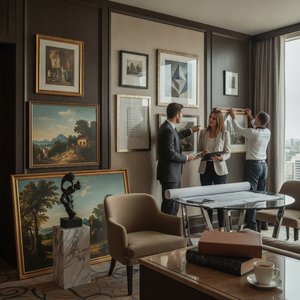
A well-appointed hotel suite should feel like entering a private sanctuary, a momentary escape from the frantic pace of global travel. While architecture and fine linens provide the foundation of comfort, it is the presence of profound art that breathes soul into a space, transforming a standard guest suite into an unforgettable destination. There is a unique, quiet magic in encountering a masterpiece—even a meticulously rendered reproduction—within the intimate confines of a retreat. The boundaries between a transient lodging and a memorable destination begin to dissolve when the grandeur of human history meets the private quietude of a personal space.
The transformative power of art lies in its ability to ground the transient nature of hospitality with the permanence of human creativity. A well-chosen canvas does not merely occupy a wall; it sets a mood, invites reflection, and whispers stories of distant eras. In an age where travelers seek authenticity above all else, integrating museum-quality works allows a hotel to offer an immersive experience that transcends the physical. By treating each room as a gallery of unforgettable experiences, designers can create spaces that resonate deeply with the human condition, offering guests a sense of connection to the timeless beauty of our collective visual heritage.
Strategic Procurement: Balancing Aesthetic Prestige with Operational Efficiency
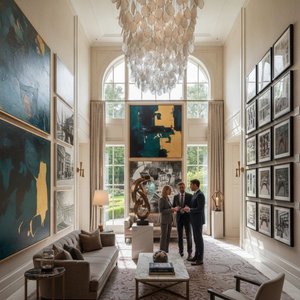 Strategic Art Procurement for Luxury Hospitality: A Professional Guide to Sourcing High-Volume Fine Art for Sophisticated Interiors
Establishing Brand Heritage: The Strategic Role of Classical Realism in Luxury Hospitality Bulk Art Procurement Guide: High-Volume Fine Art Solutions for Luxury Hotels & Corporate Interiors Strategic Art Selection: Establishing Brand Heritage through...
For the procurement manager or hospitality designer, the challenge of art selection is often a delicate dance between aesthetic ambition and operational reality. In high-volume environments, the need for scale must be met with the necessity for reliability. Strategic art procurement requires finding solutions that provide high-volume fine art without compromising on the prestige required by luxury standards. This involves moving beyond simple decoration toward a systematic approach to sourcing that considers durability, consistency, and ease of integration into large-scale projects.
True professional excellence in this field is found when the procurement process becomes seamless. It is about finding a partner who understands the complexities of bulk orders, the importance of VAT-compliant documentation, and the necessity of predictable timelines. The goal is to achieve an atmosphere of established sophistication through works that are as robust in their execution as they are beautiful in their subject matter. When the logistics of sourcing—from custom sizing to international customs support—are handled with precision, the designer is free to focus on the creative vision, knowing that the foundation of the project is built on operational reliability.
Architectural Integration: Utilizing Large-Format Murals and Multi-Panel Compositions
 Golden Dali Leaf Sculpture - Luxurious Stainless Steel Wall Art – 180cm Wide x 110cm High x 23cm Depth – Elegant Metal Decorative Piece for Living Rooms & Hotels
Golden Dali Leave Metal Wall Art Sculpture – An Ode to Fluid Form This striking metal wall sculpture embodies the spirit of Salvador Dalí’s iconic “The Persistence of Memory,” reimagined in a luxurious gold finish. Crafted from high-grade stainless s...
The modern luxury interior demands art that respects the scale of contemporary architecture. Standard-sized frames often fail to command the expansive walls found in grand hotel lobbies or sweeping staircases. To address this, the use of large-format murals and multi-panel compositions has become an essential tool for the architectural designer. These works, such as massive canvas rolls painted with historical frescoes, allow for the recreation of classical grandeur on a monumental scale. They do not merely sit upon a wall; they become part of the building's skin.
The multi-panel trend—splitting a single masterpiece across three, four, or even five panels—offers a sophisticated way to navigate wide architectural spans. This technique creates a rhythmic, modern aesthetic that directs the eye through a space, providing a cohesive visual flow that complements minimalist or contemporary design. Whether it is an intricate metal sculpture that explores fluid forms or a multi-panel oil reproduction that wraps around a corner, the integration of art into the very fabric of the architecture ensures that the decoration feels intentional and structurally significant.
The Art of Customization: Tailoring Masterpieces to Bespoke Interior Palettes
 10 Iconic Masterpieces to Elevate Your Hotel Room Decor
Introduction Stepping into a well-appointed hotel room should feel like entering a private sanctuary, a momentary escape from the rush of travel and the noise of the outside world. While architecture and linens provide the foundation of comfort, it i...
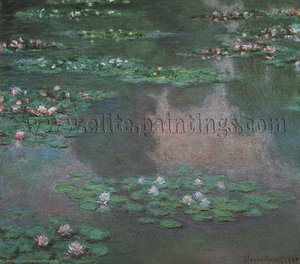
In the pursuit of perfection, the ability to "remix" art history provides a designer with unparalleled creative freedom. Luxury interiors are rarely one-size-fits-all; they are bespoke environments tailored to specific color palettes and textures. The true value of high-end art reproduction lies in this capacity for customization. A designer can request a photo to be transformed into the impasto style of Van Gogh, or perhaps request a "Period Shift," where a modern subject is reimagined through the light-drenched lens of Monet or the dramatic chiaroscuro of Rembrandt.
This level of tailoring extends to the very chemistry of the artwork. From selecting specific hues that match an existing upholstery to choosing between a traditional oil finish or a textured, aged craquelure effect, every detail can be controlled. This bespoke approach ensures that the art does not compete with the interior design but rather harmonizes with it. By utilizing professional digital mockups, designers can visualize these custom compositions before the first brushstroke is even applied to the canvas, removing uncertainty and ensuring that the final piece is a perfect reflection of the intended aesthetic.
Logistical Excellence in High-Volume Art Acquisition
 Interior design
Interior design is the art and science of enhancing the interior of a building to achieve a healthier and more aesthetically pleasing environment for the people using the space. With a keen eye for detail and a creative flair, an interior designer is...
The success of a large-scale interior project often hinges on the invisible strength of its supply chain. For professionals managing multiple properties or large-scale renovations, the art acquisition process must be characterized by speed, transparency, and global reach. This requires a partner capable of handling complex logistics—from the careful packaging of framed pieces in reinforced double-walled boxes to the precision of international shipping via DHL Express or FedEx. The ability to navigate the intricacies of customs, such as providing necessary identification for shipments to Brazil, Mexico, or Turkey, is what separates a mere vendor from a true professional partner.
Reliability in this sector is measured by the integrity of the order management system and the transparency of the production timeline. A professional workflow—encompassing immediate order confirmation, digital mockups for approval, and pre-shipment photography—ensures that the final product meets museum-grade standards without the stress of unforeseen errors. In the high-stakes world of luxury hospitality, where timelines are tight and budgets are scrutinized, having a dependable source for hand-painted reproductions provides the peace of mind necessary to execute grand architectural visions with absolute confidence.
For more information on professional art procurement and custom collections, visit ArtsDot.com.