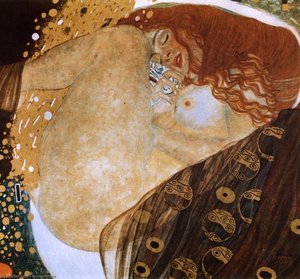




The Tactile Edge: Why Physical Texture Defines Premium Hospitality Spaces
 Texture Over Tech: Why Luxury Interiors Demand Hand-Painted Oils Over Canvas Prints
The Tactile Edge: Why Physical Texture Defines Premium Spaces Abstract Impasto Oil Painting on Canvas - Forest Green & White An Exploration in Green: Handpainted Abstract Canvas Art This striking abstract oil painting offers a compelling study in tex...
In the hyper-digital era of the twenty-first century, where every surface is smoothed by a screen and every image is flattened into a pixel, the true mark of luxury has shifted toward the tangible. For the discerning hotel designer or procurement manager, creating an atmosphere of prestige requires more than mere visual decoration; it demands a sensory experience that invites touch and contemplation. When a guest enters a high-end lobby or an executive lounge, they are not merely looking at art; they and the space itself are engaging in a tactile dialogue. This is where the distinction between a mass-produced canvas print and a hand-painted oil reproduction becomes paramount. A print offers only a visual echo, a flat representation of color that lacks the physical presence required to anchor a room. In contrast, a true oil painting possesses a weight and a soul, providing a sensory anchor in an increasingly ephemeral world.
The prestige of a luxury interior is often found in its ability to resist the superficial. A space adorned with high-quality reproductions offers a sense of permanence and historical depth that digital imagery simply cannot replicate. By introducing works that feature visible brushstrokes and physical ridges, designers can create environments that feel curated rather than merely decorated. This tactile edge serves as a silent communicator of brand identity, signaling to guests that every detail—from the thread count of the linens to the texture of the art on the walls—has been chosen with uncompromising intentionality.
Materiality Over Pixels: The Structural Superiority of Impasto and Oil Pigments
 Impasto
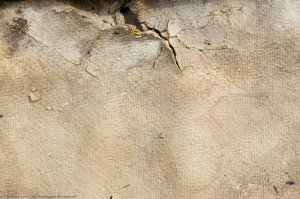
Impasto is a technique used in painting where paint is laid on an area of the surface thickly, usually thick enough that the brush or painting-knife strokes are visible. Paint can also be mixed right on the canvas. When dry, impasto provides texture;...
To understand why oil paint remains the gold standard for luxury interiors, one must look beyond the color to the very chemistry of the medium. Unlike the thin, uniform layer of ink found in Giclée prints or posters, oil paint is a complex suspension of pigment in drying oils, such as linseed. This allows for the mastery of impasto—a technique where paint is applied so thickly that the brush or palette knife strokes remain visible, creating a sculptural topography on the canvas. As seen in the works of masters like David Moreau, the canvas does not remain a silent plane; it breathes, ridges, and undulates. This physical architecture of paint allows light to become an active participant in the room, dancing across the peaks and valleys of the pigment to create shifting shadows throughout the day.
The structural advantages of oil extend to longevity and depth. The slow-drying nature of the medium permits artists to layer glazes and pigments, building a luminous, multi-dimensional color field that prints cannot achieve. Furthermore, the use of specific oils, such as safflower for whites to prevent yellowing, ensures that these works remain vibrant for generations. When a designer selects an impasto reproduction, they are investing in a medium that offers a deeper tonal range and a much higher resistance to the atmospheric pollutants of high-traffic environments. The result is a piece of art that possesses a physical presence, where the light does not simply illuminate a subject but interacts with the very substance of the work.
Strategic Procurement: Scaling Masterpiece Reproductions for Large-Scale Hotel Projects
 Premium Hand-Painted Oil Reproductions: A Procurement Guide for Luxury Hotel & Corporate Interior Designers
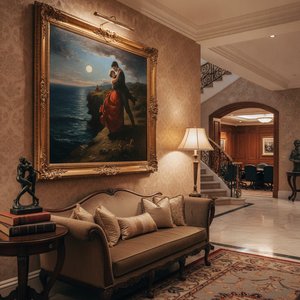
Strategic Art Procurement: Enhancing Brand Identity through Masterpiece Reproductions In the sophisticated realm of luxury hospitality and corporate curation, every element within a space serves as a silent yet profound communicator of brand identity...
For the procurement professional managing large-scale hospitality or corporate projects, the challenge lies in balancing aesthetic excellence with operational efficiency. Selecting art for a hotel chain or an expansive corporate headquarters is not merely an act of filling voids; it is a strategic decision to anchor a property with prestige. The difficulty often arises when trying to source high-quality, cohesive pieces that can meet strict timelines and budget constraints without sacrificing the "Master" level of craftsmanship. This is where the specialized service of a high-volume business catalog becomes indispensable.
Effective procurement requires access to a deep, repeatable catalog of classics in standard sizes, allowing for seamless re-ordering across different properties. Whether it is a series of landscapes for a corridor or a monumental piece for a grand entrance, the ability to scale art—through multi-panel layouts that split a single image across three, four, or five canvases—allows designers to cover wide architectural expanses with ease. This "Multi-Panel" trend provides a modern, cohesive look that can transform a staircase or a long dining hall into a gallery-like experience, all while maintaining the logistical simplicity required by busy project managers.
Customization and Continuity: Tailoring Artworks to Brand Identity and Architectural Layouts
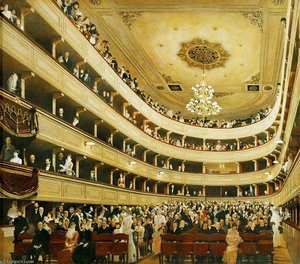
Oil painting reproductions are paintings that have been created by copying in oils an original oil painting by an artist. Oil painting reproductions are distinct from original oil painting such as are often of interest to collectors and museums. Oil ...
True luxury is bespoke. In the sophisticated realm of interior curation, the ability to "remix" art history offers a powerful tool for brand differentiation. A designer is rarely limited to what is already on the shelf; rather, they can request stylistic customizations that align with a specific color palette or period aesthetic. Imagine transforming a contemporary photograph into a 17th-century masterpiece in the style of Rembrandt, or requesting an abstract piece to be rendered in the heavy, textured impasto of Van Gogh. This level of customization allows for a seamless integration between the artwork and the architectural surroundings.
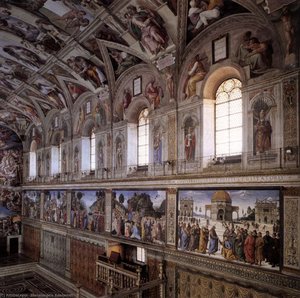
Furthermore, the use of Professional Digital Mockup Services removes the uncertainty often associated with large-scale commissions. Before a single drop of oil touches the canvas, designers can see a digital placement of the artwork on their specific wall, allowing for precise color matching and composition adjustments. This service is particularly vital for complex projects involving group portraits or custom-sized murals that must wrap around architectural features. By offering everything from large-format ceiling frescoes to custom-engineered canvas wraps, the art becomes an extension of the building's very bones, ensuring that the visual narrative of the brand remains unbroken and perfectly tailored to the space.
Operational Reliability: Streamlining High-Volume Art Acquisition for Designers
In the fast-paced world of hospitality design, reliability is as important as artistry. A procurement manager cannot afford delays caused by opaque supply chains or unpredictable shipping. Therefore, a professional art supplier must function with the precision of a logistics partner. This begins with a transparent, six-step production process: from immediate order confirmation and digital mockups to the meticulous hand-painting phase, pre-shipment photo approval, and finally, secure global delivery via trusted carriers like DHL Express or FedEx.
Trust in large-scale art acquisition is built through operational excellence: providing VAT-compliant documentation for international tax requirements, offering easy-to-use order management systems for real-time tracking, and ensuring that every piece arrives in reinforced, industrial-grade packaging. For the B2B client, the value lies in a supplier who understands the nuances of global trade—handling customs complexities, providing reimbursement for unexpected VAT charges, and offering volume discounts for professional designers. When art procurement is streamlined, predictable, and backed by a 100% satisfaction warranty, it ceases to be a logistical burden and becomes a powerful, reliable engine for creating world-class interiors.
For more information on professional art procurement and custom commissions, visit ArtsDot.com.