

The Digital Renaissance: How Social Media Recontextualized the Old Masters
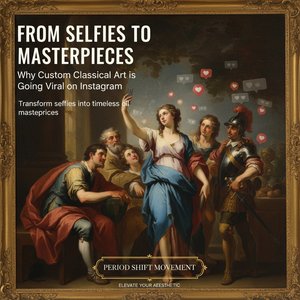 From Renaissance Memes to Viral Portraits: The Rise of Customized Classical Paintings in the Age of Instagram
The Unexpected Renaissance: How Memes Revived Classical Art It seems a paradox, doesn’t it? The solemn grandeur of Old Masters—Botticelli’s ethereal figures, Caravaggio’s dramatic chiaroscuro, Rembrandt’s profound portraits—finding new life in the fl...
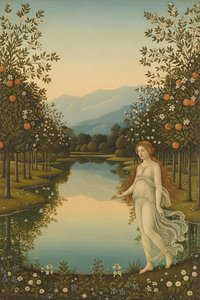
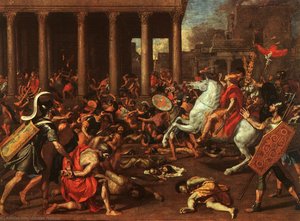
It appears a profound paradox is unfolding within our digital landscape. The solemn grandeur of the Old Masters—the ethereal, flowing figures of Botticelli, the dramatic chiaroscuro of Caravaggio, and the soulful, psychological depth of Rembrandt—has found an unlikely second life within the fleeting, high-velocity world of internet memes and social media feeds. What began as playful, often ironic juxtaposations—a Renaissance noble sporting modern designer sunglasses or a stoic Roman emperor reacting to contemporary global events—has evolved into something far more significant than mere digital humor. This movement has bridged the gap between high culture and popular entertainment, making art history feel accessible, relatable, and deeply connected to our current moment.
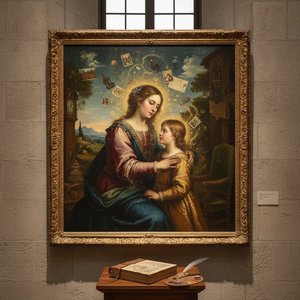
This unexpected resurgence is not merely about irony; it is a testament to the inherent emotional resonance of these classical works. When a detail from Edvard Munch’s The Scream becomes a universal shorthand for modern anxiety, or Jan van Eyck’s Arnolfini Portrait serves as a canvas for commentary on contemporary relationships, the artwork is being recontextualized rather than disrespected. The skill of the original masters—their ability to capture the raw essence of human experience through light and shadow—is precisely what allows these images to transcend their era. As these works circulate via Instagram and TikTok, they spark a genuine curiosity, inviting a new generation to seek out the rich histories and sophisticated techniques that once seemed confined to the silent halls of museums.
Beyond the Filter: The Shift from Ephemeral Selfies to Permanent Oil Portraits
 From Selfies to Renaissance: Why Custom Classical Portraits are Going Viral on Instagram
The Aesthetic Shift: Why Digital Nostalgia is Reclaiming the Renaissance In an era defined by the fleeting flicker of a smartphone screen, a profound cultural pivot is underway. We find ourselves caught in a cycle of rapid-fire consumption, where ima...
In an era defined by the rapid-fire consumption of smartphone imagery, we find ourselves caught in a cycle of digital ephemeralness. We capture, filter, and discard thousands of images within seconds, navigating a relentless deluge of high-resolution perfection that documents life with clinical precision but often lacks its soul. Amidst this digital noise, a powerful cultural pivot is underway. A wave of digital nostalgia is pulling our gaze backward, seeking permanence in an impermanable age. This shift represents a deep-seated longing to move away from the hyper-saturated, flat clarity of modern photography toward something with more weight and historical significance.
The allure of the "Modern Renaissance" lies in the desire to imbue our digital identities with the gravity of history. We are seeing a movement away from the fleeting flicker of the screen toward the moody, textured depths of the Old Masters. This is not simply about mimicking an aesthetic; it is about finding an anchor. By embracing the textures and tones of the past, creators find a way to ground their presence in something that feels much older and infinitely more significant than a standard pixelated snapshot. There is a profound difference between seeing a moment through a lens and truly feeling its essence—a distinction that only the tactile resonance of physical art can provide.
The Art of the Remix: Transforming Modern Memories into Classical Masterpieces
 Turn Your Photos into Masterpieces: The Definitive Guide to Commissioning Custom Hand-Painted Oil Portraits
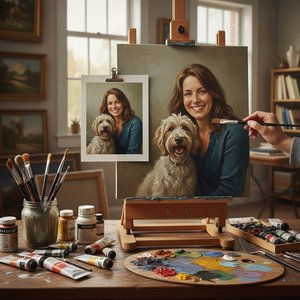
The Soul of the Canvas: Why Digital Photos Deserve Hand-Painted Transformation From Photo to Masterpiece: The Stress-Free 8-Step Guide to Commissioning Your Custom Oil Painting The Soul of the Canvas: Why Your Memories Deserve More Than a Digital Pri...
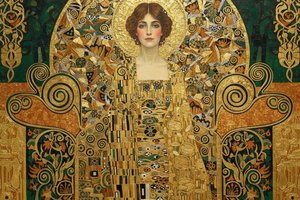
Perhaps the most captivating element of this burgeoning trend is the concept of the artistic remix, where the boundary between contemporary life and classical tradition becomes beautifully blurred. We are no longer merely taking selfies; we are reimagulating our very essence through the lens of historical genius. This process allows for a form of temporal alchemy, where a modern portrait, captured in a casual moment of reflection, can be reimagined with the heavy, dramatic impasto of Van Gogh or the soft, light-drenched atmosphere of Monet. It is the ultimate expression of personal storytelling, turning the mundane into the monumental.
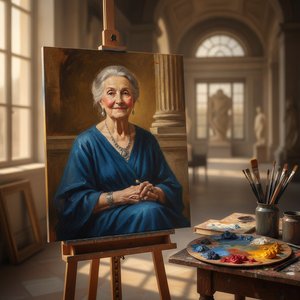
This transformation extends to our most cherished milestones. The ability to take a modern photograph—perhaps a wedding portrait or a family gathering—and translate it into the language of oil and canvas elevates a simple memory into a timeless heirloom. This "period shift" allows us to see ourselves not just as subjects of a digital archive, but as characters in a grander historical narrative. By applying the techniques of 17th-century portraiture to modern faces, we create works that breathe with the depth of history, ensuring that our most precious moments are held captive within the luminous dance of pigment and light.
Tactile Luxury in a Digital Age: The Enduring Appeal of Hand-Painted Texture
In a world dominated by the flat glow of screens, there is an increasing appreciation for the physical weight of true art. A digital photograph captures a frozen, crystalline arrangement of pixels, but it lacks the breath and pulse of the artist’s hand. This is why the resurgence of hand-painted reproductions is so potent; they offer a sensory experience that technology cannot replicate. When one looks at a genuine oil reproduction, one can witness the subtle play of light on wet brushstrokes and feel the physical depth created by layers of translucent oil on cotton canvas. The visible texture of the paint provides a sense of authenticity and luxury that a printed poster simply cannot achieve.
This tactile dimension is central to the appeal of custom commissions. Unlike the uniform, smooth surface of a digital print, a hand-painted work possesses character through its slight, beautiful variances. The use of specific materials, such as flexible gesso to prevent cracking or safflower oils to maintain the brilliance of whites, ensures that these works are not just beautiful, but durable. This emphasis on craftsmanship—the ability to see the artist's labor in every stroke—provides a sense of prestige and permanence that serves as a powerful antidote to the disposable nature of modern digital culture.
Curating the Trend: How Custom Commissions are Redefining Interior Aesthetics
As this trend moves from social media feeds into physical spaces, it is fundamentally redefining modern interior design. We are seeing a move toward "architectural art," where large-format murals and multi-panel compositions are used to create focal points that command attention. The ability to split a single classical image across three, four, or five panels allows for a seamless integration of historical grandeur into contemporary architectural layouts, such as wide hallways or grand staircases. This creates a cohesive, modern look that retains the sophisticated atmosphere of a classical estate.
For professionals and decorators, this trend offers unparalleled opportunities for customization. The ability to request specific color palettes, or even to transform a modern photograph into a Renaissance-style masterpiece, allows for a level of bespoke curation previously unavailable. Whether it is through the use of massive canvas rolls to recreate historical ceiling frescoes or the selection of custom frames in gold leaf or espresso, art is being used as a tool to anchor modern spaces in tradition. This movement toward personalized, high-quality art ensures that our environments are not just decorated, but are imbued with a sense of history, emotion, and enduring elegance.