The Strategic Role of Art in Hospitality: Establishing Brand Heritage and Identity
 Seamless Hotel Art Procurement: The All-in-One Solution for Global Hospitality Brands
The Silent Ambassador: Establishing Brand Heritage through Curated Art Narratives Curating Grandeur: A Designer's Guide to Elevating Hotel Interiors with Timeless Masterpiece Reproductions The Narrative Power of Art: Establishing Brand Identity throu...
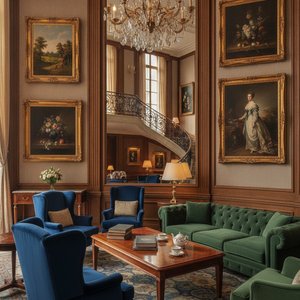
In the rarefied atmosphere of luxury hospitality, a hotel's visual narrative is far more than a mere collection of decorative accents; it serves as the silent ambassador of its very soul. For the discerning designer, every corridor and lounge presents an opportunity to weave a story of permanence and prestige. The modern traveler, seeking refuge from the frenetic pace of contemporary life, looks for more than just comfort; they seek a sense of place and a connection to something enduring. When we curate a space with intention, art becomes the most potent tool in this pursuit, acting as an academic anchor that resonates with guests on a profound, subconscious level.
Historically, grand hotels mirrored the collections of the wealthy elite, using fine art to showcase status and refined taste. Today, however, the landscape has shifted toward authenticity and storytelling. A well-curated space does not simply display images; it whispers stories of distant eras, sun-drenched landscapes, and the profound emotions of the masters. By integrating iconic works, a hotel can establish a brand identity rooted in cultural depth, transforming a transient lodging into a destination of intellectual and emotional significance. This strategic selection moves beyond mere decoration to become a fundamental pillar of spatial atmosphere and brand heritage.
Curating Grandeur: Selecting Masterpiece Reproductions for High-Impact Interiors
 Elevating Hospitality: A Designer's Guide to Sourcing Seamless Impressionist Art for Luxury Hotel Interiors
The Silent Ambassador: Establishing Brand Heritage through Impressionist Narratives Timeless 19th Century Art Reproductions: A Strategic Procurement Guide for Hotel and Hospitality Interior Designers The Strategic Role of 19th Century Art in Hospital...
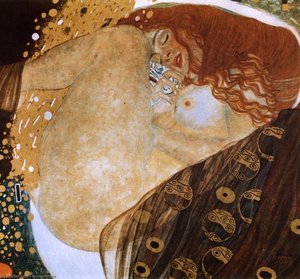
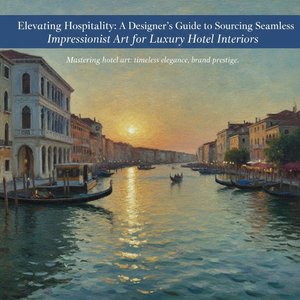
To elevate an interior from a standard luxury setting to a timeless destination, the designer must look toward movements that offer psychological stability. The Impressionist movement—the luminous worlds of Monet, Renoir, and Pissarro—provides a profound tool for brand storytelling. These works do not simply occupy space; they anchor a property in an era of perceived elegance, transforming guest quarters into curated journeys of historical continuity. Unlike the fleeting trends of contemporary abstraction, the Impressionist focus on light, color, and atmosphere provides a psychological anchor for the guest, evoking an immediate sense of established authority through soft, light-drenched landscapes.
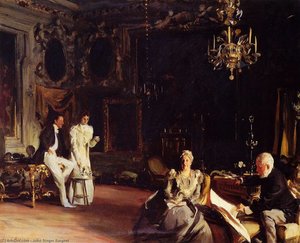
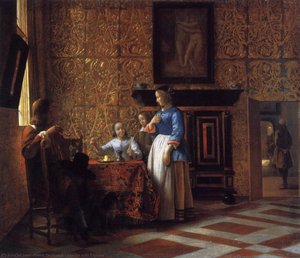
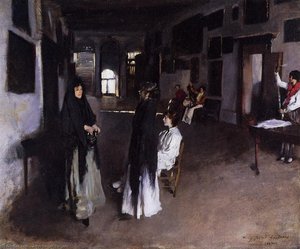
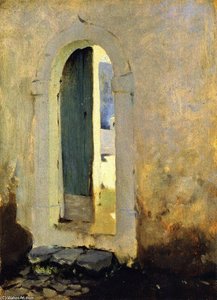
For those seeking to establish a more rigorous sense of prestige, Classical Realism offers a different, yet equally powerful, narrative. Moving beyond theatricality, Realism brings an objective truth to the interior, confronting the tangible textures of life with poetic precision. When a guest enters a space adorned with works that masterfully capture light, shadow, and human presence, they are immediately enveloped in an atmosphere of established sophistication. Whether it is the intimate, dappled sunlight found in Post-Impressionist interiors or the meticulous craftsmanship of academic traditions, the selection of high-quality oil reproductions allows for a consistent, high-impact aesthetic that defines the property's character.
Overcoming Procurement Fragmentation: Streamlining Large-Scale Art Logistics
 Elevate Your Hotel Interiors: The All-in-One Solution for Seamless, High-Impact Art Procurement
The Designer's Dilemma: Overcoming Fragmentation in Art Procurement Interior architecture Interior architecture is the design of a building or shelter from the inside out, or the design of a new interior for a type of home that can be fixed. It can r...
For the modern hotel designer, the pursuit of a cohesive interior narrative is often interrupted by the logistical chaos of fragmented procurement. The vision for a grand lobby or a curated corridor requires more than just aesthetic intuition; it demands a synchronized supply chain that can bridge the gap between a conceptual sketch and a physical masterpiece. Too often, designers find themselves trapped in a cycle of managing disparate vendors—one for framed prints, another for custom murals, and yet another for bespoke furniture—each with their
different timelines, quality standards, and communication gaps.
This fragmentation does more than just drain time; it dilutes the brand identity that the designer is working so tirelessly to establish. When procurement is disconnected, the risk of stylistic inconsistency and logistical failure increases exponentially. The true challenge lies in finding a single, reliable point of contact capable of handling the complexity of large-scale hospitality projects. To achieve true excellence, the industry requires an all-in-one solution—a partner that understands both the high-energy pulse of contemporary design and the rigorous precision required for global commercial logistics, ensuring that art arrives in perfect sync with the architectural finish.
Architectural Integration: Utilizing Murals, Multi-Panel Sets, and Custom Dimensions
 Interior architecture
Interior architecture is the design of a building or shelter from the inside out, or the design of a new interior for a type of home that can be fixed. It can refer to the initial design and plan used for a building's interior, to that interior's lat...
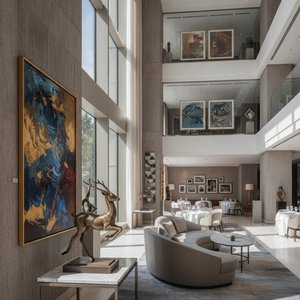
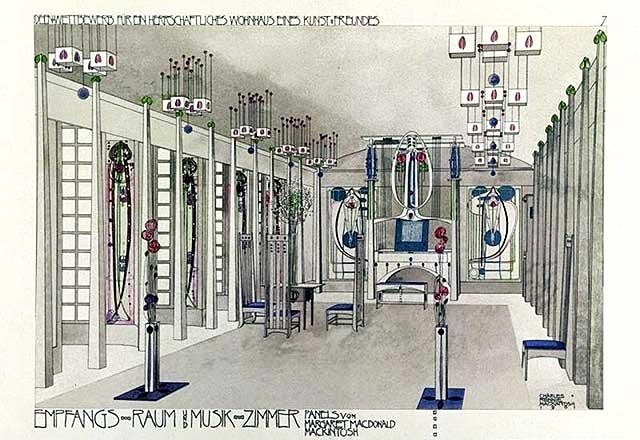
Art must be treated as an integral component of interior architecture rather than an afterthought applied to a finished wall. Large-scale murals and frescoes offer a transformative capability, allowing designers to recreate historical grandeur on a massive scale. These works, painted on substantial canvas rolls, can be installed similarly to high-end wallpaper, enabling the recreation of historical ceilings or expansive feature walls that define the very volume of a room. Such architectural art serves as a focal point that anchors the entire design scheme.
Furthermore, the modern trend toward "Multi-Panel" layouts allows for a sophisticated approach to wide walls and staircases. By splitting a single masterpiece across three, four, or five panels, a designer can create a contemporary, rhythmic flow that guides the eye through a space. This engineering of canvas and frame—including options like
MirrorWrap or
ExtendedWrap where the painting continues around the edges—ensures that the artwork feels embedded within the structure itself. Whether it is a custom-sized commission to fit an executive suite or a massive mural for a lobby, the integration of art into the architectural fabric is essential for creating a seamless, immersive environment.
Operational Efficiency in Bulk Art Sourcing: Balancing Prestige with Volume Requirements
 Strategic Art Procurement for Luxury Hospitality: A Professional Guide to Sourcing High-Volume Fine Art for Sophisticated Interiors
Establishing Brand Heritage: The Strategic Role of Classical Realism in Luxury Hospitality Bulk Art Procurement Guide: High-Volume Fine Art Solutions for Luxury Hotels & Corporate Interiors Strategic Art Selection: Establishing Brand Heritage through...
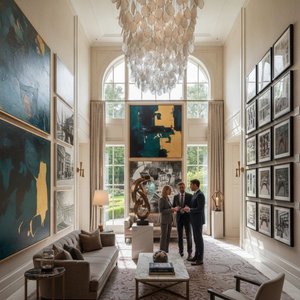
In the competitive landscape of luxury hospitality, procurement managers must balance aesthetic prestige with high-volume operational efficiency. The ability to source high-volume fine art solutions is critical for maintaining brand standards across global portfolios. This requires a reliable supply chain capable of providing
hand-made oil reproductions in repeatable standard sizes that can be easily integrated into large-scale projects without the uncertainty of one-off acquisitions.
Efficiency in this context also means managing the technicalities of international logistics. For global hospitality brands, the procurement process must include robust support for customs and VAT, ensuring that large orders move through borders without delay. A professional service provider should offer clear documentation, such as Reproduction Declarations, and handle the complexities of regional tax requirements (such as CPF in Brazil or RFC in Mexico). When art procurement is treated with the same logistical rigor as any other essential hotel utility, designers can focus on their creative vision, confident that the physical delivery will meet museum-grade standards across every property in their collection.
The Designer's Toolkit: Digital Mockups, Customization, and Professional Consultation
To remove the inherent uncertainty of large-scale commissions, the modern designer requires a suite of digital tools to validate their vision before a single brushstroke touches the canvas. The use of
Professional Digital Mockup Services is essential for seeing a composition within the context of a specific wall or room. This allows for the adjustment of colors and the verification of scale, ensuring that the final piece aligns perfectly with the intended interior palette. Such precision is particularly vital when managing complex orders, such as group portraits or custom color-matched pieces.
Beyond mere selection, the ability to "remix" art history provides a unique creative advantage. Designers can request stylistic shifts—for instance, transforming a contemporary photograph into an
Impressionist masterpiece or a
Classical Realism portrait. This level of customization, supported by expert art consultations, allows for a bespoke approach to every project. By utilizing tools like digital placement on photos of existing walls and accessing specialized artists trained in specific genres, designers can move beyond the limitations of stock decor to create truly personalized, high-impact environments that leave a lasting impression on every guest.
For professional procurement managers and interior designers seeking reliable, high-volume art solutions, ArtsDot.com provides the infrastructure for seamless global art sourcing.