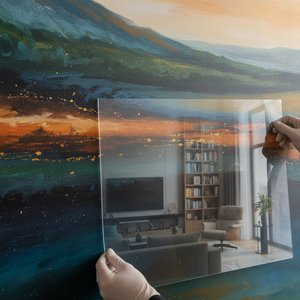
The Tactile Truth: Distinguishing Hand-Painted Oil Reproductions from Digital Prints
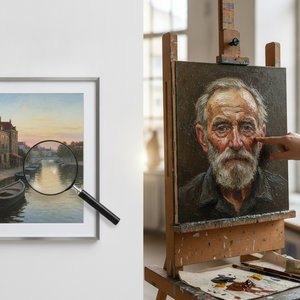 The Connoisseur's Guide to Fine Art Mediums: Distinguishing Between Giclée Prints and Hand-Painted Oil Masterpieces
The Soul of the Canvas: Understanding the Tactile Depth of Hand-Painted Oil Reproductions Oil painting Oil painting is a painting method involving the procedure of painting with pigments combined with a drying oil as the binder. It has been the most ...
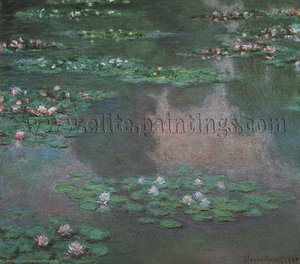
To the untrained eye, a high-resolution image on a screen may appear indistinguishable from a physical canvas, yet for the discerning collector or procurement professional, the distinction lies in the very soul of the medium. When we discuss hand-painted oil reproductions, we are not referring to a mechanical reproduction of an image, but rather a meticulous resurrection of its essence. These works are born from a labor of passion, typically requiring several weeks of careful application on 100% cotton canvas. The artist utilizes traditional methods, combining pigments with drying oils such as linseed or safflower to create a medium that possesses unparalleled flexibility and a rich, dense color profile. This process allows for a depth of shadow and a luminosity in the highlights that no digital printer can replicate.
In contrast, Giclée prints represent the pinnacle of digital precision. Derived from the French word
gicleur, meaning to squirt, this technique utilizes advanced inkjet technology to propel millions of microscopic, pigment-based droplets onto a chosen substrate. While a Giclée print offers incredible accuracy in color reproduction and is an excellent, cost-effective solution for large-scale commercial installations, it remains fundamentally a two-dimensional surface. It lacks the physical presence of the oil painting, where the artist’s very breath seems captured within the layers of pigment and binder. For those decorating vast hotel lobbies or corporate suites, understanding this boundary between the flat, precise beauty of a print and the sculptural, breathing quality of an oil painting is essential for achieving the desired atmospheric impact.
Mastering the Surface: Understanding Impasto, Texture, and Brushstroke Authenticity
 Impasto
Impasto is a technique used in painting where paint is laid on an area of the surface thickly, usually thick enough that the brush or painting-knife strokes are visible. Paint can also be mixed right on the canvas. When dry, impasto provides texture;...
The true magic of a masterwork often resides in its topography. To encounter a genuine oil painting is to engage in a tactile dialogue with the artist’s movement. One of the most profound indicators of quality is the use of
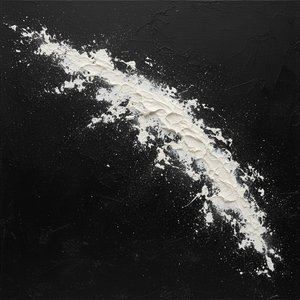
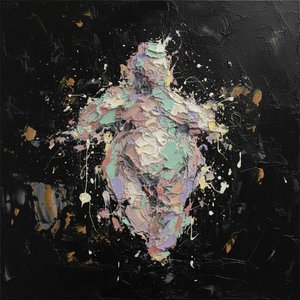
impasto, a technique where paint is laid onto the surface so thickly that the brush or palette knife strokes become visible, creating raised ridges and valleys. This sculptural approach, famously utilized by masters like Rembrandt and later by the Impressionists such as Van Gogh, allows light to dance across the canvas. As you move around the room, the shadows within these ridges shift, giving the artwork a dynamic, living quality that changes with the ambient lighting of the space.
When evaluating an acquisition, one must look for these intentional variations in thickness. In a high-quality hand-painted reproduction, these textures are not mere imperfections but are the hallmarks of craftsmanship. They provide a wider range of tonal depth, from the deepest, most absorbent shadows to the most brilliant, light-catching highlights. While modern Giclée printing can simulate the appearance of texture through advanced layering, it cannot achieve the physical relief of real paint. For collectors seeking to create a sensory anchor in a room, the presence of visible, heavy-bodied brushwork offers a sense of weight and permanence that transcends the ephemeral nature of digital imagery.
Archival Excellence: Evaluating Ink Permanence and Substrate Longevity in Giclée Prints
 Giclée Prints: Archival Quality & Aesthetic Nuances for the Discerning Collector
Introduction: The Rise of Giclée Printing in Fine Art Wikipedia: Giclée Giclée ( zhee-KLAY) describes digital prints intended as fine art and produced by inkjet printers. The term is a neologism, ultimately derived from the French word gicleur, coine...
For the professional decorator or hospitality manager, longevity is as critical as aesthetics. When selecting fine art prints, the focus must shift toward the science of archival excellence. A premium Giclée print is defined by its use of pigment-based inks rather than dye-based alternatives. These pigments are suspended in a carrier fluid and meticulously layered to offer superior fade resistance, often carrying a rating of 75 to 100 years. This stability ensures that the vibrant blues of a seascape or the warm ochres of a landscape remain true despite exposure to the environmental fluctuations common in public spaces.
The substrate—the material upon which the ink is deposited—is equally vital. High-quality prints are produced on acid-free, archival papers or heavy-weight canvases designed to resist yellowing and degradation. However, even the finest print requires a strategy for preservation. To protect these investments, it is wise to utilize acid-free matting to create an air gap between the print and the glass, preventing moisture buildup that could lead to foxing or pigment bleeding. When choosing prints for long-term installations, evaluating the chemical stability of both the ink and the paper is the only way to ensure that the visual impact remains as striking in a decade as it is on the day of installation.
Structural Integrity: Assessing Canvas Quality, Stretcher Bars, and Frame Engineering
The longevity of an artwork is determined not only by what is visible on the surface but by the engineering hidden behind the frame. For both hand-painted oils and large-format prints, the structural support is the foundation of preservation. A superior oil painting is stretched over sturdy, professional-grade stretcher bars that are meticulously braced to prevent warping or bowing over time. In our workshop, we ensure that the canvas is tensioned with precision, providing a flat, stable plane that can withstand the rigors of global shipping and varying climates.
Furthermore, the choice of framing can significantly alter the architectural integration of a piece. Custom framing services offer solid wood options, ranging from classic gold leaf to modern espresso finishes, which serve as a protective border and an aesthetic extension of the art itself. For contemporary spaces requiring a more seamless look, we offer advanced engineering such as
MirrorWrap or
ExtendedWrap, where the artist continues the painting around the edges of the canvas. This eliminates the need for a frame while protecting the painted edges from dust and physical contact. When managing large-scale projects, such as murals or multi-panel group sets, ensuring that the structural integrity of each panel is uniform is paramount to achieving a cohesive, professional aesthetic across wide walls or staircases.
The Science of Preservation: Materials, Varnishing, and Long-Term Maintenance Strategies
 Conservation and restoration of paintings
The conservation and restoration of paintings is carried out by professional painting conservators. Paintings cover a wide range of various mediums, materials, and their supports (i.e. the painted surface made from fabric, paper, wood panel, fabricat...
True art connoisseurship requires an understanding of the chemistry involved in creating lasting masterpieces. The preservation of oil paintings begins with the selection of stable materials. We utilize flexible gesso to prevent the cracking that often plagues inferior works, and we employ specific oils, such as safflower, for lighter pigments to prevent the dreaded yellowing effect over time. Once the painting is complete, it is finished with a protective coat of
Damar varnish. This layer acts as a shield against atmospheric pollutants, dust, and moisture, while also saturating the colors to bring out their full, intended brilliance.
Maintenance for the collector involves more than just cleaning; it requires environmental stewardship. To protect an investment, one must avoid placing artworks in direct sunlight or near high-humidity zones like bathrooms or kitchens. For those managing collections in commercial environments, implementing preventive conservation—such as using rigid backing boards to protect canvases from vibrations and pressure—can significantly extend the life of the work. By understanding the interplay between pigments, binders, and environmental factors, a collector can ensure that their chosen pieces remain vibrant and structurally sound for generations.
Procurement & Scale: Selecting Art for Large-Scale Commercial and Hospitality Projects
In the realm of large-scale procurement—whether furnishing a boutique hotel, a corporate headquarters, or a luxury restaurant—the challenges are unique: volume, scale, and reliability. The modern professional requires an art partner who understands the complexities of bulk orders, custom sizing, and international logistics. Selecting art for these spaces is not merely about finding a beautiful image; it is about finding a scalable solution that can be integrated into a larger architectural vision. This might involve splitting a single masterpiece across three, four, or even five panels to cover an expansive feature wall, ensuring the brushstrokes flow seamlessly across every segment.
Efficiency in procurement relies on a transparent and robust order management system. For the time-pressured manager, the ability to track progress via digital mockups, receive pre-shipment photos for approval, and access clear VAT-compliant invoicing is indispensable. Furthermore, navigating the complexities of international customs—such as providing the necessary documentation for Brazil (CPF/CNPJ) or Turkey (Vergi No)—is a critical component of global logistics. When art is sourced through a reliable trade supplier, the focus remains on the aesthetic outcome and the seamless execution of the project, allowing the artwork to transform a functional space into an unforgettable experience.
This article was prepared for the professional art community and features insights from the collections and services available at ArtsDot.com.