Strategic Art Procurement: Establishing Brand Identity through Historical Continuity
 Strategic Art Procurement: Premium Journey-Themed Solutions for Hospitality and Corporate Interior Excellence
Establishing Brand Identity: The Strategic Use of Journey-Themed Art in Hospitality Contemporary Abstract Art: A Professional Buyer's Guide to Large-Scale Modern Decor for Hospitality and Corporate Interiors Defining Contemporary Abstraction: From Ge...
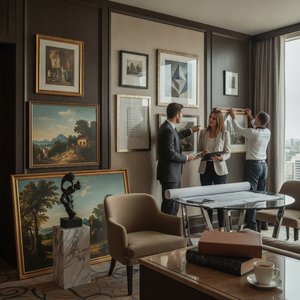
In the high-stakes arena of luxury hospitality and corporate design, a space is never merely a collection of furniture and finishes; it is a curated narrative designed to transport the guest. For the discerning procurement professional, selecting artwork is a strategic decision that serves as the silent ambassador of a brand’s heritage. When a hotel lobby or an executive suite is adorned with works that evoke the weight of history, the brand immediately anchors itself in a sense of permanence and prestige. This is achieved through the intentional use of classical realism and historical continuity, where the visual language of the past informs the luxury of the present. By integrating themes of discovery and movement, designers can transform transient commercial corridors into curated journeys, using art to establish an authoritative presence that remains long after the guest has departed.
The strategic deployment of art allows for the sophisticated manipulation of mood through visual stimuli. Commanding pieces in grand lobbies establish focal points that guide the eye, while more subtle, intimate works in private suites foster a sense of tranquility and escape. This process of establishing brand identity requires moving beyond mere decoration into the realm of emotional resonance. Whether it is the dignified presence of 19th-century portraiture or the structured elegance of Renaissance-inspired motifs, the right collection provides a psychological anchor, ensuring that every square meter of a project contributes to a singular, luxurious narrative of established sophistication.
The Power of Scale: Utilizing Multi-Panel Masterpieces and Large-Format Murals for Grand Lobbies
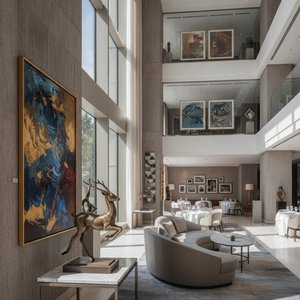
Architectural grandeur demands an artistic scale that can match its proportions. In expansive lobbies or soaring atriums, standard-sized frames often fail to command the necessary attention, appearing lost within the vastness of the volume. To combat this, the modern designer utilizes multi-panel masterpieces—a trend where a single, breathtaking composition is split across three, four, or even five panels. These group set paintings allow for a seamless flow of color and brushstroke across wide walls or grand staircases, creating a cohesive, modern architectural look that feels both expansive and integrated into the building's structure.
For even more ambitious projects, the boundaries of traditional framing can be dissolved through large-format murals and ceiling frescoes. These works, painted on massive canvas rolls, allow designers to recreate the breathtaking effects of historical ceilings, such as those found in the Sistine Chapel, within a contemporary hotel setting. Much like high-end wallpaper, these architectural art pieces are installed to transform the very skin of the room. When combined with advanced engineering techniques like MirrorWrap or ExtendedWrap—where the artist continues the painting around the edges of the canvas—the result is an immersive environment that defies the limitations of traditional decor, turning a commercial space into a true destination of substance.
Curating Atmosphere: Selecting Artistic Eras—from Classical Realism to Impressionist Landscapes
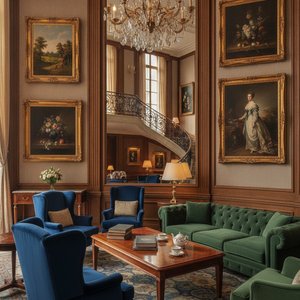 Timeless 19th Century Art Reproductions: A Strategic Procurement Guide for Hotel and Hospitality Interior Designers
The Strategic Role of 19th Century Art in Hospitality Brand Identity Timeless Female Portraits: A Procurement Guide to Premium Oil Reproductions for Luxury Hospitality & Commercial Interiors Strategic Selection: Integrating Classic Female Portraiture...
The selection of an artistic era is a tool for atmospheric engineering. A designer seeking to project authority and objective truth may look toward Classical Realism. Unlike the theatricality of Romanticism, Realism brings a sense of order and authenticity to an interior, confronting the tangible textures of life with poetic precision. This style is particularly effective in corporate environments where a foundation of stability and meticulous craftsmanship is required to inspire confidence in stakeholders.
Conversely, for spaces intended to offer respite and emotional lightness, the soft, light-drenched landscapes of American Impressionism or the serene domesticity of 19th-century interiors provide an incomparable sense of calm. Works reminiscent of masters like Monet or Tarbell utilize light, color, and texture to create moments of pause within high-traffic zones. By choosing between the structured precision of geometric abstraction and the evocative, emotional expression of Impressionism, a designer can manipulate the psychological temperature of a room—moving from the intellectual engagement of a dynamic abstract piece to the contemplative stillness of a pastoral landscape.
Operational Efficiency in High-Volume Decor: Scalable Solutions for Hotel and Corporate Renovations
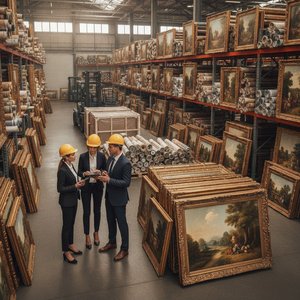 Bulk Vintage Painting Reproductions: A Procurement Guide for Hospitality & Corporate Interior Designers
Strategic Art Procurement: Balancing Brand Identity with Operational Efficiency Bulk Fine Art Reproductions for Hotels & Restaurants: A Procurement Guide to Scalable, High-Volume Decor Solutions Strategic Art Procurement: Balancing Brand Identity wit...
For procurement managers overseeing large-scale hotel renovations or sprawling restaurant franchises, the challenge lies at the intersection of uncompromising prestige and rigorous operational efficiency. The selection of artwork must move beyond individual aesthetic choices to become a scalable decor solution. In high-volume environments, predictability in quality, sizing, and delivery is the cornerstone of professional excellence. A successful acquisition strategy requires a partner who understands the necessity of bulk procurement, providing high-quality oil painting reproductions that can be ordered by the dozen without sacrificing the "Master" level of craftsmanship.
True efficiency in art procurement means balancing brand identity with the logistical realities of large-scale design. This involves managing high-volume acquisitions where the ability to source consistent, repeatable standard sizes is essential for maintaining a unified aesthetic across multiple floors or international locations. The goal is to achieve a seamless integration of fine art that supports the operational flow, ensuring that every corridor, suite, and lounge contributes to a singular narrative while adhering to the strict timelines and budgetary constraints of modern construction management.
Customization and Precision: Tailoring Artworks through Digital Mockups and Stylistic Remixing
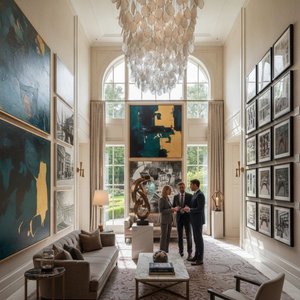 Strategic Art Procurement for Luxury Hospitality: A Professional Guide to Sourcing High-Volume Fine Art for Sophisticated Interiors
Establishing Brand Heritage: The Strategic Role of Classical Realism in Luxury Hospitality Bulk Art Procurement Guide: High-Volume Fine Art Solutions for Luxury Hotels & Corporate Interiors Strategic Art Selection: Establishing Brand Heritage through...
One of the most profound advantages in contemporary art procurement is the ability to "remix" art history to fit a specific design brief. The modern designer is no longer limited to what already exists; they can request a photo to be painted in the impasto style of Van Gogh or transform a modern portrait into a 17th-century masterpiece in the style of Rembrandt. This level of customization allows for a bespoke approach to brand storytelling, where even "period shifts" can be utilized to align the artwork perfectly with a specific interior theme.
To remove the inherent uncertainty of large-scale commissions, the use of professional digital mockup services is essential. This service allows designers to see the composition and color palette digitally placed on their specific walls before the artist ever touches the canvas. This stage is critical for complex orders, such as group portraits or custom color matching, ensuring that revisions can be made until the vision is perfect. By utilizing these tools, the designer maintains absolute control over the final output, ensuring that the finished hand-painted oil reproduction meets the exact architectural and aesthetic requirements of the project.
Logistics and Reliability: Managing Global Procurement, Customs, and Large-Scale Installations
The final pillar of successful art procurement is the mastery of global logistics. For international hospitality chains, the ability to receive high-quality artwork across borders—from London to Brazil or Turkey—requires a sophisticated supply chain. This includes navigating complex customs requirements, such as providing necessary tax identification like the CPF in Brazil or the RFC in Mexico, and ensuring that all documentation is tax-compliant for corporate accounting. A reliable supplier must also manage the intricacies of VAT refunds on customs fees to protect the project's bottom line.
Reliability extends to the physical protection and delivery of the works. Whether it is using 3mm industrial tubes for rolled art or reinforced, double-walled boxes for framed pieces, the integrity of the artwork must be guaranteed upon arrival. The use of premium materials—such as flexible gesso to prevent cracking and Damar varnish to protect against atmospheric pollutants—ensures that the investment remains vibrant for generations. Ultimately, the success of a large-scale art installation rests on a foundation of operational reliability: fast, traceable shipping via partners like DHL Express or FedEx, and a commitment to a 100% satisfaction warranty that protects the designer's reputation and the client's investment.
All professional art procurement services, custom commissions, and high-volume catalog inquiries can be managed through our dedicated business portal at ArtsDot.com.


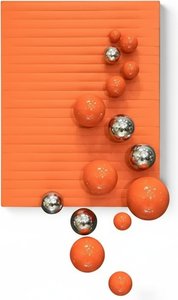
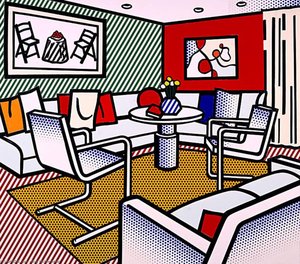
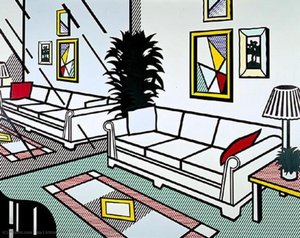

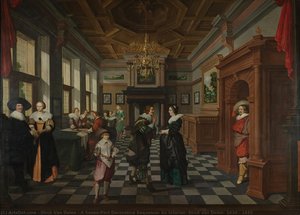 A Seven-Part Decorative Sequence: An Interior, Dirck van Delen, 1630 - 1632