

The Psychology of Space: Art as an Unspoken Narrative in Hospitality
 Elevating Hospitality Aesthetics: The Enduring Legacy of Renaissance and Impressionist Reproductions in Contemporary Hotel Interiors
The Enduring Appeal of Renaissance Masters in Modern Hospitality until Angel with Candlestick Michelangelo’s ‘Until Angel with Candlestick’ – a stunning 1501 marble sculpture. Explore its chiaroscuro, serene beauty & Renaissance mastery at AllPaintin...
In the high-stakes arena of luxury hospitality design, a room is never merely a collection of furniture and finishes; it is a carefully orchestrated sensory environment. For the discerning hotel designer, the challenge lies in moving beyond mere decoration to create what can only be described as an unspoken narrative. When a guest enters a lobby or retreats to a private suite, they are subconsciously searching for cues of stability, prestige, and care. Art serves as the most profound communicator in this silent dialogue. It possesses the unique ability to anchor a space, providing a focal point that directs the eye and settles the spirit. By integrating works that resonate with historical depth, designers can evoke an immediate sense of permanence and cultural continuity, transforming a transient corridor into a curated journey through time.
The psychological impact of art resides in its ability to influence mood and perception without the need for overt signage. A well-placed landscape or a serene portrait does more than fill a void; it establishes an atmosphere of contemplative calm or vibrant energy, depending on the brand’s intent. This is where the distinction between a decorated space and a curated one becomes evident. Through the strategic use of color psychology and composition, art can mitigate the sterile feeling often found in modern commercial architecture, replacing it with a warmth that fosters emotional connection. When guests feel an emotional resonance with their surroundings, their perception of the entire service experience is elevated, laying the groundwork for long-term brand loyalty.
Beyond Decoration: Using Historical Masterpieces to Anchor Brand Identity
 Timeless 19th Century Art Reproductions: A Strategic Procurement Guide for Hotel and Hospitality Interior Designers
The Strategic Role of 19th Century Art in Hospitality Brand Identity Timeless Female Portraits: A Procurement Guide to Premium Oil Reproductions for Luxury Hospitality & Commercial Interiors Strategic Selection: Integrating Classic Female Portraiture...
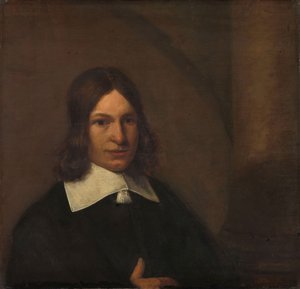
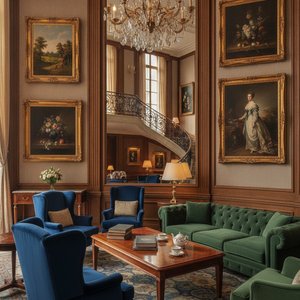
For procurement professionals and designers managing large-scale hospitality projects, selecting artwork is a fundamental pillar of brand storytelling. The use of 19th-century aesthetics—such as the light-drenched landscapes of American Impressionism or the dignified presence of classical portraiture—allows a hotel to anchor its identity in an era of perceived prestige. Integrating works reminiscent of masters like William Merritt Chase or Camille Pissarro provides a sense of historical legitimacy that modern, mass-produced prints simply cannot achieve. These pieces act as silent ambassadors, communicating a commitment to quality and an appreciation for the finer nuances of human history.
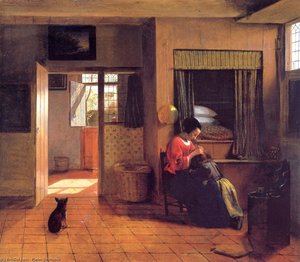
The strategic selection of art allows for a cohesive brand language across diverse properties. Whether it is the soft, domestic intimacy found in an Impressionist interior or the commanding presence of a period portrait, these historical aesthetics ensure that every lounge, suite, and lobby contributes to a singular, luxurious narrative. This approach moves beyond the ephemeral trends of the moment, offering a timelessness that protects the design investment. By utilizing high-quality oil reproductions, designers can achieve this level of sophistication at scale, ensuring that even large hotel chains can maintain a consistent, premium atmosphere that feels both bespoke and enduring.
Tactile Luxury: The Strategic Impact of Texture and Impasto on Guest Experience
 Elevating Professional Interiors: The Strategic Impact of Expressive Brushwork and Textured Oil Paintings in Hospitality Design
The Aesthetic Power of Texture: Enhancing Sensory Experience in Luxury Hospitality The Timeless Charm of Oil on Board: Reimagining Texture and Light through the Impressionist Lens The Soul of the Surface: Finding Intimacy in Oil on Panel The Timeless...
In the pursuit of true luxury, the difference between a space that feels merely decorated and one that feels truly curated lies in the tactile dimension. While flat, digital prints may provide necessary color, they often lack the sensory depth required to captively engage a discerning guest. The true impact of expressive brushwork is found in the impasto technique—the thick, textured application of oil paint that catches the light and creates a physical topography on the canvas. When a guest gazes upon a reproduction featuring lively, rhythmic strokes, they are not just seeing color; they are experiencing movement and immediacy.
This physical variation in light and shadow transforms a wall from a passive boundary into an active participant in the room's atmosphere. The presence of visible brushstrokes and the rich, heavy texture of handmade oil paintings invite guests to linger and engage with the surface of the art. This multi-sensory engagement is critical in luxury hospitality, where every detail must feel substantial and expensive. By introducing these physical variations, designers create an environment that feels deeply immersive, providing a sense of intimacy and "soul" that digital alternatives cannot replicate. It is this depth of texture that elevates a room from a standard accommodation to a memorable destination.
Scaling the Vision: Multi-Panel Solutions and Large-Format Murals for Grand Lobbies
 From Canvas to Legacy: A Detailed Examination of Handmade Oil Reproduction Techniques for Galleries and Hospitality Environments
The Enduring Appeal of Oil Reproduction: Bridging Access, Affordability & Artistic Appreciation The Enduring Appeal of Oil Reproduction: Bridging Access, Affordability & Artistic Appreciation Discover the beauty of art with 's exquisite oil painting ...
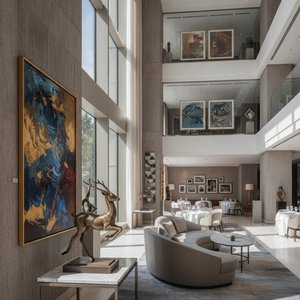
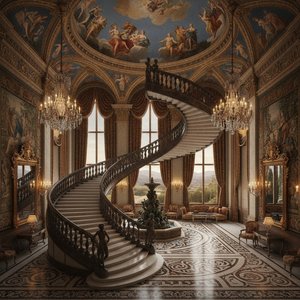
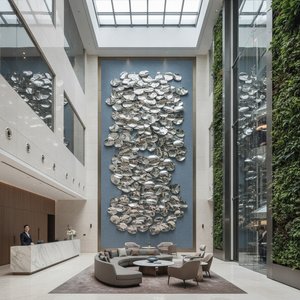
Architectural grandeur requires art that can match its scale. In large, high-traffic commercial zones such as grand lobbies or sweeping staircases, single-frame artworks often fail to command the necessary attention. This is where the trend of multi-panel compositions becomes an essential tool for the designer. By splitting a single masterpiece across three, four, or even five panels, we can create a cohesive, modern architectural look that spans wide walls and directs the flow of movement through a space. These multi-panel solutions allow for a seamless integration of art and architecture, ensuring that the brushstrokes and colors flow continuously across the structural elements of the room.
For even more ambitious projects, the use of large-format murals and ceiling frescoes offers an unparalleled opportunity to redefine a space. Our ability to create massive canvas rolls, painted with the same academic excellence as smaller works, allows designers to recreate historical wonders—such as the intricate ceilings of the Renaissance—within a contemporary hotel setting. These architectural art pieces are installed similarly to high-end wallpaper, providing a transformative effect that can completely alter the volume and character of a room. This scalability ensures that no matter the size of the project, the visual impact remains profound and the brand identity remains unbroken.
Operational Excellence: Streamlining Art Procurement for High-Volume Projects
 Interior design
Interior design is the art and science of enhancing the interior of a building to achieve a healthier and more aesthetically pleasing environment for the people using the space. With a keen eye for detail and a creative flair, an interior designer is...
For the procurement manager or hotel designer, the art selection process is often fraught with time pressure and budgetary constraints. The challenge is to find a reliable partner who can deliver museum-quality results with the efficiency of a high-volume supplier. True operational excellence in art procurement means having access to a deep catalog of classics in repeatable, standard sizes, alongside the ability to execute custom commissions without disrupting project timelines. A professional workflow—ranging from immediate order confirmation and digital mockups for complex portraits to pre-shipment photo approval—is essential to removing uncertainty from the design process.
Reliability in logistics is just as critical as artistic quality. In a globalized industry, the ability to ensure fast, reliable shipping via partners like DHL Express or FedEx, accompanied by clear documentation for international customs and VAT support, is non-negotiable. For B2B clients, the value lies in a system that allows for easy re-ordering, volume discounts, and white-label shipping options. When art procurement becomes a streamlined, predictable part of the design workflow, it allows professionals to focus on their primary goal: creating extraordinary spaces that leave lasting impressions on every guest.
The ROI of Aesthetics: Driving Social Media Engagement and Positive Reviews
In the modern digital landscape, the aesthetic quality of a hotel is directly linked to its online reputation. We live in an era where guests are not just occupants but creators of content. A beautifully curated space, anchored by striking, textured oil paintings and unique architectural art, serves as the perfect backdrop for social media engagement. When a guest captures a photograph of a stunning multi-panel Impressionist work or a dramatic, large-scale mural, they are providing free, high-value marketing for the property. This visual storytelling drives organic reach and attracts a demographic that values culture and sophistication.
Ultimately, the strategic use of art translates into measurable business outcomes: higher engagement, more frequent mentions in reviews, and increased guest loyalty. A space that inspires conversation and provides "Instagrammable" moments creates a lasting memory that guests are eager to share with their networks. By investing in art that offers depth, texture, and historical resonance, designers are not just decorating a room; they are building a powerful visual brand that drives much-needed visibility and reinforces the hotel's position as a premier destination for the discerning traveler. This is the true return on investment for thoughtful, strategic art integration.