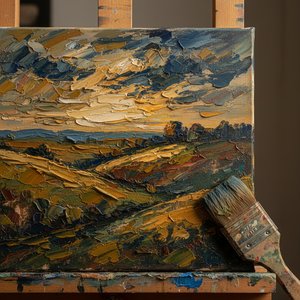
The Alchemy of Pigment: Understanding the Composition and Tactility of Pastel
The Soft Power of Pastel: A Connoisseur's Guide to History, Technique, and the Art of TextureThe Alchemy of Pigment: Understanding the Composition and Tactility of Pastel Pastel - The Metropolitan Museum of Art --- title: Pastel - The Metropolitan Museum of Art url: https://www.metmuseum.org/perspectives/materials-and-techniques-drawing-past...
To encounter a true pastel work is to step into a realm where the boundary between pigment and air begins to dissolve, leaving behind only a sense of profound, quiet wonder. Unlike the heavy, structural permanence found in the layered depths of oil paint, which relies on a substantial medium to bind color to canvas, pastel offers an ethereal immediacy. It is a medium composed of pure, concentrated pigment held together by a minimal amount of binder, a fundamental characteristic that grants the artist a unique vocabulary of softness and tactility. This delicate composition allows the eye to perceive more than mere color; it perceives a dusting of light that seems to vibrate against the surface of the paper.
The physical interaction between the stick and the substrate is where the true magic resides. Because the pigment sits atop the grain of the paper rather than being forced into it through heavy oils, there is an inherent velvety texture that defines the medium. This allows for a layering process that is both additive and subtractive, where artists can build up luminous clouds of color or scrape away layers to reveal hidden brilliance. Whether one is working with soft pastels—which possess a higher proportion of pigment and less binder for easy smudging—or oil pastels, which utilize a mixture of non-drying oil and wax for highly saturated, bright effects, the tactile experience remains unparalleled in its ability to bridge the gap between the tangible world and the intangible realm of human emotion.
Capturing the Fleeting Moment: The Impressionist Revolution and Light
 Soft Light & Velvet Touch: The Ethereal Magic of Pastel Artistry in Impressionist Masterpieces
The Ethereal Essence: Understanding the Softness and Tactility of Pastel The Magic of Pastel Art: A Guide to Soft Colors and Velvately Textures in Impressionist Masterpieces The Essence of Pastel: Understanding the Medium's Softness and Tactility To ...
The history of pastel is inextricably linked to the evolution of light in Western art, reaching its zenith during the Impressionist revolution. While oil painters often struggled with long drying times that could impede the capture of a rapidly changing sunset, pastel artists possessed the unique ability to record the instant. This immediacy allowed them to chase the sun, translating the ephemeral shifts of dawn and dusk into tangible form. The medium became the preferred language for those seeking to document the transient nature of modern life, where light is never static but always in motion.
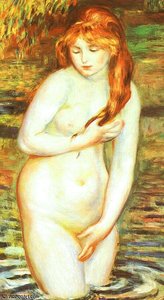
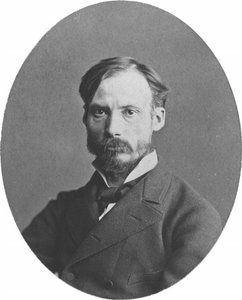
Consider the profound mastery displayed by Pierre-August and Renoir, whose works like
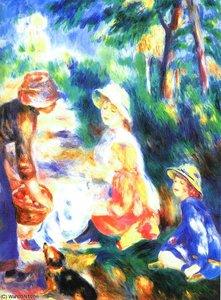
Study of a Woman exemplify this Impressionistic sensibility. Through loose, expressive strokes, Renoir prioritized capturing the impression of light rather than meticulous detail, using the soft, hazy effect of pastel to lend an ethereal quality to his subjects. This ability to arrest a fleeting breath of afternoon light—much like Gustave Caillebotte did in
Camille Daurelle in the Park at Yerres—transformed the medium into a tool for capturing the very soul of atmosphere. In this luminous world, the edges of reality are never rigid; instead, they emerge from a gentle, chromatic mist, inviting the viewer to find beauty in the blurred and the transient.
Mastering Texture: Techniques for Layering, Blending, and Scumbling
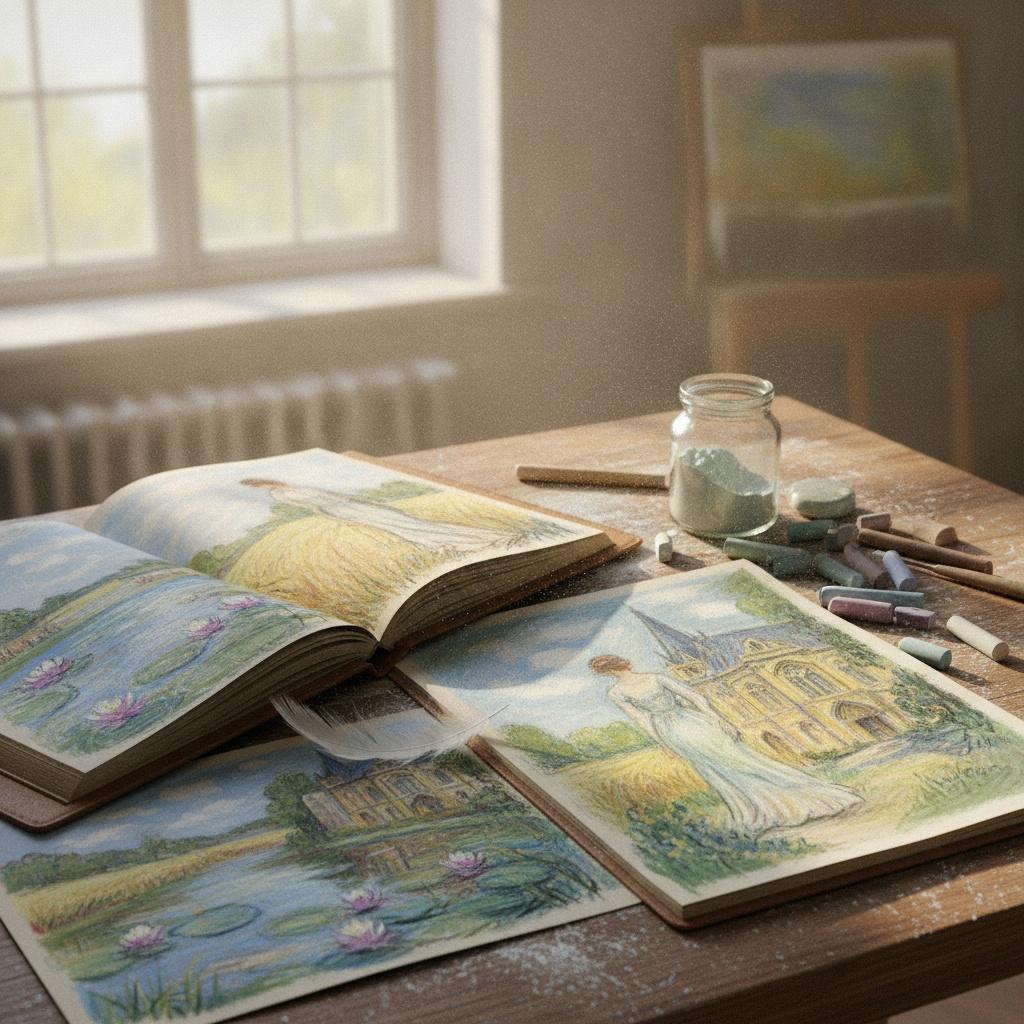 The Soft Magic of Chalk: Capturing Light, Texture, and the Ethereal Soul of Impressionist Masterpieces
The Alchemy of Pigment: Understanding the Ethereal Essence of Pastel and Chalk The Soft Power of Pastel: A Connoisseur's Guide to History, Technique, and the Art of Texture The Alchemy of Pigment: Understanding the Composition and Tactility of Pastel...
Achieving professional-grade depth in pastel requires a sophisticated understanding of how layers interact with the tooth of the paper. The process is often an intricate dance of building up weight and then refining it through delicate manipulation. Artists utilize layering to create a subtle graininess and visual richness, where each subsequent stroke adds a new dimension of light. This can be achieved through blending, where colors are merged to create smooth transitions, or through scumbling, where a lighter, more opaque layer is dragged across a darker base to allow the underlying tones to peek through, creating a sense of atmospheric depth.
Beyond simple application, the mastery of texture involves a deliberate use of the medium's physical properties. The layering process can be both additive and subtractive; an artist might build up thick, impasto-like applications of soft pastel to create highlights that catch actual light, or they might use tools to scrape away pigment to reveal the bright substrate beneath. This structural complexity is what separates a mere drawing from a masterpiece. When executed with precision, these techniques allow for the creation of organic forms—from the soft curves of the human body to the intricate folds of fabric—that possess a lifelike fluidity and a sense of palpable presence.
Color Theory in Pastel: Achieving Vibrancy and Atmospheric Depth
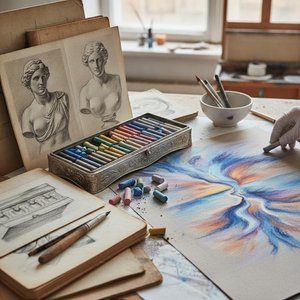 The Magic of Pastel Art: A Guide to Soft Colors and Velvately Textures in Impressionist Masterpieces
The Essence of Pastel: Understanding the Medium's Softness and Tactility To encounter a pastel work is to step into a realm where the boundary between pigment and air begins to dissolve. Unlike the heavy, structural permanence of oil paint, pastel of...
In the realm of pastel, color is not merely a decorative element but a power that directly influences the soul. The purity of the dry pigments allows for a color effect that is closer to natural light than almost any other artistic process. To master this medium, one must understand how to manipulate hue, saturation, and value to create harmony and tension. A delicate interplay of hues can build up tones and textures, demonstrating a mastery of color harmony that can evoke everything from intense heat to the cool stillness of twilight.
The challenge for the artist lies in managing the vibrancy of these pigments without overwhelming the composition. By utilizing a palette that balances highly saturated colors with neutral, low-saturation binders, an artist can create a sense of atmospheric perspective. This involves using cooler, desaturated tones for distant objects to simulate the effect of air and moisture, while reserving warmer, more intense pigments for the focal points of the work. When these elements are balanced correctly, the artwork achieves a profound emotional resonance, moving beyond mere representation to convey a true sense of atmosphere and light-drenched beauty.
Preservation and Lonary: Protecting the Delicate Surface of Pastel Works
 Pastel
A pastel (US: ) is an art medium that consists of powdered pigment and a binder. It can exist in a variety of forms, including a stick, a square, a pebble, and a pan of color, among other forms. The pigments used in pastels are similar to those used ...
Because pastel is such a delicate medium, characterized by its powdery surface and minimal binder, preservation is a critical concern for any collector or enthusiast. The very qualities that make pastel so beautiful—its softness and luminosity—also make it susceptible to environmental factors. To protect an investment in pastel art, one must be mindful of the physical environment. Avoiding direct sunlight is paramount, as prolonged UV exposure can cause pigments to fade over time, stripping the work of its intended vibrancy.
Furthermore, the structural integrity of the artwork depends on proper framing and storage. Using acid-free matting is essential to create an air gap between the pigment and the glass, which prevents moisture from becoming trapped and causing the pigment to clump or shift. For those handling prints or reproductions, ensuring they are kept in a stable environment away from dust and atmospheric pollutants will ensure that the colors remain as vivid as the day they were applied. By treating these works with the respect their fragility demands, the ethereal magic of the pastel medium can be preserved for generations to come.
This article was originally published on ArtsDot.com.