
The Principles of Minimalism: Reducing Visual Noise in Hospitality Interiors
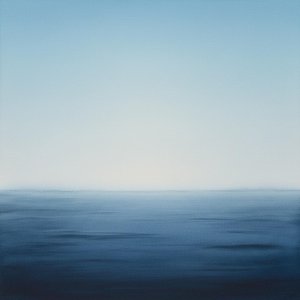
In the high-stakes world of hospitality design, where the atmosphere of a lobby or a suite can dictate a guest's entire perception of luxury, the concept of minimalism serves as a vital tool for clarity. To the untrained eye, minimalism might appear as mere emptiness, but for the professional designer, it is a deliberate strategy to reduce visual noise and allow the architectural essence of a space to breathe. By stripping away the superfluous, we create an environment of intentionality. This reduction does not imply a lack of character; rather, it focuses the observer's attention on the fundamental elements of form, light, and shadow. In large-scale hotel projects, this clarity is essential for preventing sensory overload in high-traffic areas, ensuring that every guest enters a sanctuary of calm rather than a chaotic corridor of competing textures. The power of less lies in its ability to direct the gaze toward what truly matters. When we curate a space with restraint, we allow the structural integrity of the building and the quality of the materials to speak for themselves. This approach creates a sophisticated backdrop that feels both expansive and intimate. By mastering the art of omission, designers can craft interiors that feel timeless, avoiding the transient clutter of trends in favor of a permanent sense of order and peace.Strategic Implementation: Using Geometric Abstraction to Define Spatial Flow
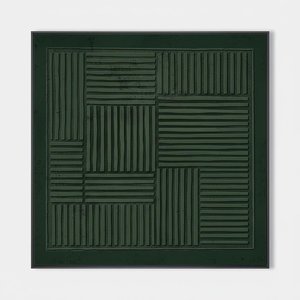
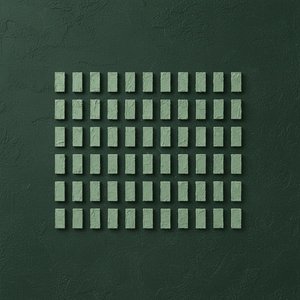
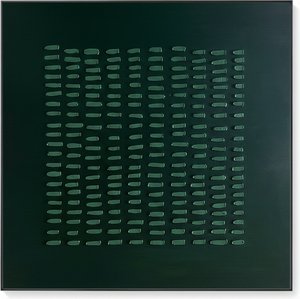
Moving beyond simple emptiness, the strategic use of geometric abstraction offers a sophisticated method for defining spatial flow within complex architectural layouts. In large-scale hospitality environments, where corridors, lounges, and dining areas often bleed into one another, art serves as a silent navigator. The rhythmic precision found in works inspired by Geometric Abstraction—reminiscent of the structured compositions of Kandinsky or the mathematical elegance of Mondrian—can subtly guide a guest's movement through a property. Sharp angles, concentric circles, and intersecting lines act as visual anchors, marking transitions between public and private zones without the need for physical barriers. Consider the impact of an oversized, multi-panel geometric work placed at the terminus of a long hallway. Such a piece does more than decorate; it creates a destination, pulling the eye forward and extending the perceived depth of the corridor. Similarly, the use of Op Art elements, such as the mesmerizing patterns found in Victor Vasarely’s Dia-Or, can introduce a sense of dynamic energy to a lounge area, stimulating engagement without disrupting the overall tranquility. When implemented with precision, these abstract forms become part of the building's very DNA, reinforcing the architectural rhythm and creating a cohesive journey for every visitor.Materiality and Texture: Balancing Minimalist Aesthetics with Hand-Painted Depth
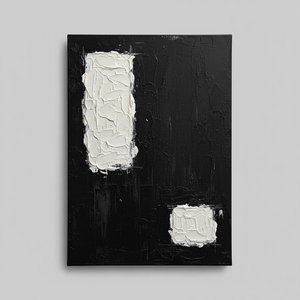
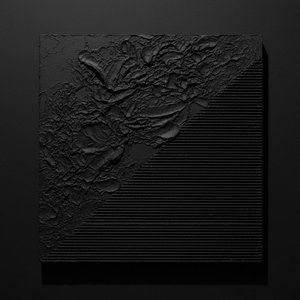
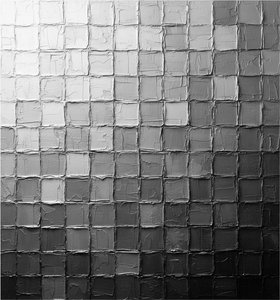
A common pitfall in minimalist design is the creation of a space that feels sterile or clinical. To prevent this, the professional designer must introduce tactile depth through the careful selection of textures. This is where the distinction between a flat print and a Handmade Oil Reproduction becomes critical for high-end procurement. While a digital print offers consistency, it lacks the physical presence required to warm a minimalist room. A hand-painted canvas, with its visible brushstrokes and the rich, impasto texture of layered oils, provides a necessary organic counterpoint to smooth marble floors or polished concrete walls. The interplay between light and the raised surface of an oil painting creates a living element within the room. As the lighting in a hotel lobby shifts from morning brightness to evening warmth, the shadows cast by the artist's brushwork change, offering a subtle, evolving experience for the guest. By integrating works that feature physical depth—such as those utilizing heavy gesso or thick applications of pigment—designers can achieve a "soft minimalism." This approach maintains the clean lines and uncluttered aesthetic while providing the sensory richness and luxury that define premium hospitality brands.Scalability and Logistics: Managing Large-Format Art for Hotel and Corporate Projects
For procurement managers and designers overseeing large-scale installations, the challenge of minimalism is often one of scale and logistics. A single small painting can easily be lost in a grand atrium; conversely, an improperly scaled piece can overwhelm a delicate suite. The solution lies in the use of multi-panel layouts and large-format architectural art. Splitting a singular abstract composition across three, four, or even five panels allows for the coverage of expansive walls and staircases, creating a cohesive visual narrative that matches the scale of the architecture. Managing these large-scale orders requires a reliable supply chain capable of handling complex requirements. From ensuring custom sizing to coordinating the delivery of massive canvas rolls for murals and frescoes, the logistics must be seamless. Professional installations often demand works that are engineered for longevity, featuring reinforced stretcher bars to prevent warping in varying climates. When sourcing for hospitality chains, the ability to execute large-volume orders with consistent quality—ensuring that every piece in a multi-room project adheres to the same color palette and stylistic standard—is the hallmark of a successful procurement strategy.Curating the Modern Space: Selecting Masterpieces for Cohesive Brand Identity
Ultimately, the curation of art within a modern space is an exercise in brand storytelling. Every selection must reinforce the identity of the property, whether that be one of avant-garde boldness or understated elegance. The ability to remix art history allows designers to tailor their environments to specific brand pillars. For instance, a boutique hotel might utilize the vibrant, Pop Art-influenced energy of Peter Phillips to appeal to a younger, trend-conscious demographic, while a corporate headquarters might lean toward the serene, monochromatic sketches of Roy Lichtenstein to project stability and focus. The most successful interiors are those where the art feels inseparable from the design concept. By utilizing professional consultation services to digitally mock up artworks within a space before purchase, designers can ensure that every color, shape, and scale is perfectly aligned with their vision. Whether it is through the monumental presence of a custom mural or the curated placement of a geometric masterpiece, the goal remains the same: to use the power of less to create an atmosphere of profound, lasting impact.ArtsDot.com provides the professional infrastructure required for these ambitious projects. From high-volume procurement of hand-painted oil reproductions to the execution of large-scale architectural murals, we offer the scale, reliability, and customization necessary for the global hospitality industry.