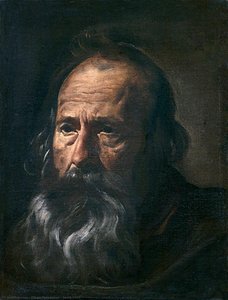

The Soul Behind the Subject: Defining Classical Portraiture
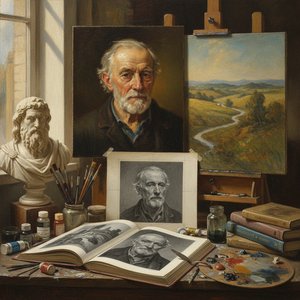
To gaze upon a classical portrait is to engage in a silent, profound dialogue with the past. Unlike the fleeting snapshots of our modern digital era, classical portraiture was never merely about capturing a likeness; it was an intentional act of immortalization. At its core, this genre seeks to capture the essence of a human being—not just the geometry of their features, but the weight of their character, the dignity of their station, and the quiet whispers of their inner life. The artist serves as both a chronicler and a poet, using pigment and canvas to translate the ephemeral breath of life into something enduring.
This pursuit of the soul requires more than technical proficiency; it demands an intimate understanding of human psychology. A master portraitist observes the subtle tension in a jawline, the weary wisdom in a gaze, or the poised grace of a hand resting upon a velvet sleeve. Through this lens, the subject is elevated from a mere individual to a symbol of timeless humanity. When we study these works, we are not just looking at faces; we are witnessing the preservation of identity against the relentless erosion of time.
Mastering the Light: Chiaroscuro and the Depth of Realism
The true magic of classical portraiture often resides in the manipulation of light and shadow, a technique known as chiaroscuro. This dramatic interplay is what breathes three-dimensional life into a two-dimensional plane. By strategically placing highlights against deep, velvety shadows, artists create a sense of volume and presence that feels almost tactile. One can imagine the warmth of candlelight hitting a cheekbone or the soft, diffused glow of morning light illuminating a lace collar.
This mastery of light serves a dual purpose: it provides structural realism and evokes emotional resonance. Consider the way shadows can shroud a subject in mystery, suggesting untold secrets, or how a bright, clear light can project an aura of purity and truth. The technical precision required to execute these transitions—moving seamlessly from the brightest impasto highlights to the deepest glazes—is what separates a mere likeness from a masterpiece. It is through this careful orchestration of luminosity that the artist directs our eyes, guiding us through the narrative of the face.
A Legacy of Lineage: From Netherlandish Precision to 19th-Century Grandeur
The evolution of portraiture is a magnificent tapestry woven from different eras and regional philosophies. In the early Northern Renaissance, masters such as the workshop of Jacob Cornelisz van Oostsanen pioneered a breathtaking level of Netherlandish realism. Their work focused on an almost microscopic attention to detail—the texture of heavy brocade, the glint of a gemstone, and the hyper-realistic rendering of skin. This era established the foundation of precision that would haunt all subsequent generations.
As the centuries progressed, the focus shifted toward the grander, more romanticized styles of the 19th century. Artists like Alexandre Cabanel brought a refined, academic elegance to the genre, where meticulous detail met a sweeping, classical grace. This period emphasized the dignity of the subject through polished surfaces and idealized forms, as seen in works like the Portrait of Victor Massé. Even in the more personal realms of self-portraiture, such as the works of John Trumbull, we see the continuation of this lineage—a commitment to capturing both historical significance and individual skill through a lens of classical tradition.
The Language of Symbolism: Decoding Hidden Narratives in Portraiture
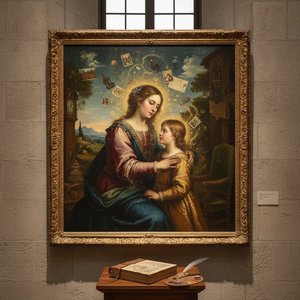
A classical portrait is rarely a simple depiction; it is often a complex puzzle of symbols and allegories. To the educated eye of the past, every object within the frame carried a specific weight of meaning. A single wilted rose might signify the transience of youth, while a heavy book or a globe could denote intellectual prowess and worldly ambition. Even the choice of attire—the richness of ermine fur or the austerity of black silk—communicated much about the subject's social standing and moral character.
Decoding these narratives allows us to move beyond the surface level of the painting. The placement of a hand, the presence of a specific flower, or even the subtle choice of background scenery all contribute to a larger story being told. This layer of symbolism transforms the portrait into a literary work, inviting the viewer to investigate and interpret. It is this depth of meaning that ensures a portrait remains intellectually stimulating long after the initial visual impact has faded.
Preserving the Eternal: The Enduring Allure of Hand-Painted Masterpieces
In an age dominated by the ephemeral and the mass-produced, there remains an unshakeable longing for the authentic. There is a profound difference between a digital print and a hand-painted oil reproduction. The latter possesses a soul; it carries the physical evidence of the artist's hand—the visible brushstrokes, the textured impasto, and the rich, layered depth that only real pigment on cotton canvas can achieve. These works possess a tactile presence that commands respect and invites contemplation.
To bring such art into a modern space is to bridge the gap between history and the present. Whether through a commissioned portrait that transforms a personal memory into a classical treasure or the careful selection of a historical replica, we are participating in the preservation of human creativity. As we continue to admire these timeless works, we ensure that the elegance, the skill, and the profound stories of the Old Masters continue to illuminate our world for generations to come.
About ArtsDot.com
ArtsDot.com is a global leader in fine art accessibility, dedicated to bringing the beauty of the Old Masters into modern homes. Since 2004, we have specialized in high-quality, hand-painted oil reproductions and custom portrait commissions. Our master artists, selected from the top 5% of applicants, use traditional techniques to transform personal photos or historical icons into museum-grade masterpieces. From bespoke group portraits to large-scale architectural murals, ArtsDot provides a seamless, professional experience with a 100% satisfaction guarantee.