
Introduction
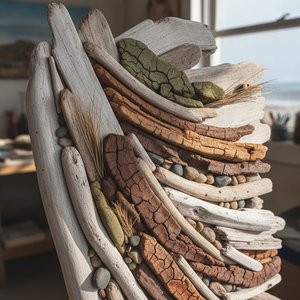
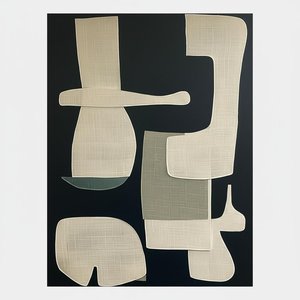
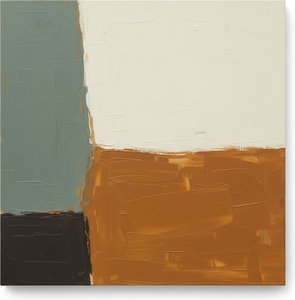
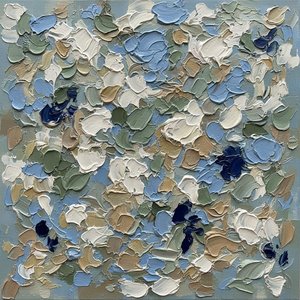
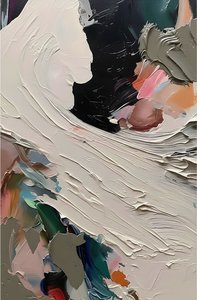
There is a profound, quiet strength found in the palette of the earth—a spectrum of weathered greys, muted ochres, and sun-bleached umbers that evoke the timelessness of wood smoothed by tide and wind. To encounter paintings dominated by these 'driftwood' tones is to step into a space of atmospheric serenity, where the visual noise of the modern world fades into a rhythmic, organic calm. These hues do not shout; instead, they whisper of endurance, of the subtle beauty found in decay, and of the sophisticated elegance of neutrality.
\denHistorically, this tonal range has served as the backbone of some of the most significant movements in art history. From the somber, light-drenched shadows of the Dutch Masters to the textured, earth-bound compositions of early landscape painters, these desaturated tones have been used to ground even the most dramatic subjects. Culturally, the mastery of such a limited palette speaks to an artist's ability to convey depth, temperature, and emotion through texture and value rather than mere color saturation. It is a testament to the idea that complexity often resides in the understated.
Today, these works remain deeply meaningful, offering a visual sanctuary in an era of digital saturation. In contemporary interior design and architectural curation, the driftwood aesthetic provides a sophisticated foundation that complements both modern minimalism and classical grandeur. They offer a sense of permanence and organic connection to the natural world that transcends fleeting trends.
As we journey through this selection, we will explore ten iconic masterpieces that utilize this weathered palette to achieve unparalleled depth. Each painting on this list demonstrates how a command over muted, woody tones can transform a canvas into a window of profound emotional resonance and timeless aesthetic power.
The Birth Of Venus - Sandro Botticelli
 The Birth Of Venus - Sandro Botticelli
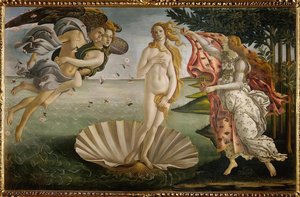
To witness the emergence of divine beauty is to step into the very heart of the Italian Renaissance. In The Birth of Venus by Sandro Botticelli, we encounter a masterwork where the ethereal meets the earthly through a sophisticated palette of muted, organic hues. This piece earns its place among the top paintings dominated by 'driftwood' tones due to its reliance on weathered, sandy neutrals and desaturated sea-foam greens that ground its mythological grandeur.
Botticelli utilizes elegant linearity and soft, tempera-driven textures to depict Venus stepping from a colossal scallop shell. The composition is anchored by sun-bleached tones—reminiscent of aged wood and coastal sands—which contrast beautifully with the delicate, flowing forms of Zephyrus and the Horae. The light does not strike with harshness but glows with a pale, atmospheric luminosity, highlighting the rhythmic movement of rose petals and sea spray. This mastery of subtle, earthy pigments creates a timeless aesthetic that continues to transform modern interiors, bringing a sense of historical depth and serene, natural sophistication to any curated space.
The Last Supper - Leonardo da Vinci
 The Last Supper - Leonardo da Vinci
In Leonardo da Vinci’s The Last Supper , the interplay of light and shadow serves as the primary narrator of human drama. The composition is anchored by a sophisticated use of chiaroscuro, where soft, diffused light enters through rear windows to illuminate the central figure of Christ, while deep, umber-heavy shadows pool around the apostles. This masterful command of illumination creates a profound sense of three-dimensional volume and psychological tension, capturing the exact moment betrayal is announced.
The palette is defined by a somber, sophisticated range of driftwood tones —rich ochres, muted browns, and weathered earth pigments that evoke a timeless, contemplative mood. When reproduced as a high-quality oil painting, these desaturated tones and the subtle gradations of light provide an incredible sense of architectural depth. Integrating such a masterpiece into a contemporary space introduces a layer of historical luxury, where the muted, organic color scheme complements modern textures while adding a dignified, museum-grade focal point to any professional or residential interior.
Nude Sitting on a Divan - Amedeo Clemente Modigliani
 Nude Sitting on a Divan - Amedeo Clemente Modigliani
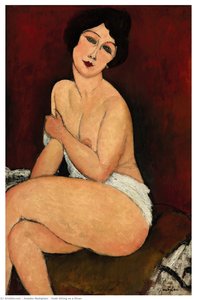
In Nude Sitting on a Divan by Amedeo Clemente Modigliani, the viewer is met with an arresting sense of quiet introspection. The figure, captured in a moment of profound vulnerability, draws the eye through a palette defined by earthy, weathered hues that anchor this piece within our selection of paintings dominated by 'driftwood' tones . Modigliani utilizes warm ochres and muted, sandy pigments to sculpt the elongated limbs, creating a textural depth that feels both ancient and modern.
The psychological weight of the work lies in its ability to act as a universal mirror; the subject’s averted gaze and protective pose invite a deep, personal resonance. This painting does more than decorate a room—it anchors it. By integrating such powerful emotional resonance into your interior, you can transform a private sanctuary or a corporate lounge into a space for profound reflection and calm. The interplay of sun-bleached skin tones against the saturated, dark backdrop provides a sophisticated focal point that remains timelessly elegant.
Vitruvian Man - Leonardo da Vinci
 Vitruvian Man - Leonardo da Vinci
To gaze upon Leonardo da Vinci’s Vitruvian Man is to witness the precise moment where human anatomy meets the infinite geometry of the cosmos. This iconic study is a masterclass in the 'driftwood' palette, utilizing deep sepia inks and weathered, parchment-toned washes that evoke the organic warmth of aged timber and sun-bleached earth. Its inclusion in our selection is essential; it does not merely depict a figure, but defines the mathematical harmony between the earthly square and the divine circle through a sophisticated range of muted browns and beige tones.
The work serves as a profound visual manifesto, where every precise line carries the weight of scientific inquiry and Renaissance humanism. At ArtsDot.com, we believe such historical gravity should not be confined to museums. By bringing this masterpiece into your professional or personal space, you transform a simple wall into an intellectual sanctuary. Whether placed in a corporate lobby or a private study, the subtle, earthy textures of this piece provide a sophisticated, neutral anchor that commands respect without overwhelming your interior design.
Young Man with Cornflower - vincent willem van gogh
 Young Man with Cornflower - vincent willem van gogh
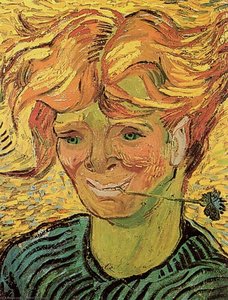
In Young Man with Cornflower , Vincent van Gogh captures a profound moment of introspection that transcends the boundaries of 1890s Post-Impressionism. This piece earns its place among the top paintings dominated by driftwood tones through its masterful use of muted, earthy neutrals and weathered ochres, which ground the subject's youthful vulnerability in a palette of organic stability. The heavy impasto technique creates a tactile landscape of light and shadow, where the swirling, textured brushstrokes evoke the very essence of sun-bleached wood and natural decay.
The artwork serves as a poignant meditation on the fleeting nature of beauty, inviting viewers to reflect on the quiet strength found in simplicity. For the modern collector or professional decorator, this painting offers more than mere decoration; it provides a sophisticated anchor for contemporary spaces. Its weathered, driftwood-inspired hues integrate seamlessly into minimalist or coastal architectural designs, fostering a timeless conversation between historical mastery and modern aesthetic calm.
Frida y Diego Rivera - Frida Kahlo
 Frida y Diego Rivera - Frida Kahlo
In Frida y Diego Rivera by Frida Kahlo, the interplay of light is not merely a technical feat but an emotional anchor. The illumination is soft and diffused, casting gentle shadows that sculpt the faces of the iconic couple, lending a profound sense of weight and presence to their connection. This subtle use of chiaroscuro avoids harsh contrasts, instead favoring a muted, atmospheric glow that highlights the earthy, driftwood-inspired tones of the composition. It is this masterful command of light—balancing the deep, dark suit of Rivera against the warm, organic textures of the background—that secures its place among the top 10 famous paintings dominated by driftwood tones.
When reproduced as a high-quality oil painting, the visible brushstrokes and tonal depth capture the way light dances across the muted greens and weathered browns. For the discerning decorator, integrating this piece into a contemporary space introduces a layer of historical luxury. The sophisticated balance of shadow and light provides a grounding, tranquil energy, making it an ideal focal point for professional interiors seeking a sense of quiet dignity and timelessness.
Two women running on the beach (The race) - Pablo Picasso
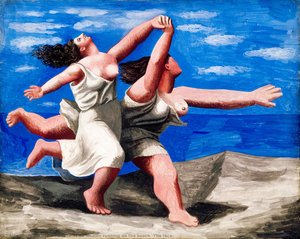 Two women running on the beach (The race) - Pablo Picasso
Pablo Picasso's 1922 masterpiece, Two Women Running on the Beach (The Race) , serves as a profound study of movement and liberation, capturing a post-Cubist era where form began to dance with fluid emotion. This work earns its place among the top paintings dominated by driftwood tones through its sophisticated use of earthy, sandy neutrals that anchor the composition's kinetic energy. The beach's textured, sun-bleached palette provides a grounded, organic foundation that contrasts beautifully with the vibrant blue sky and the gestural, thick brushstrokes defining the figures.
Beyond its visual impact, the painting invites us to reflect on the raw vitality of human connection and the simple joy of existence. The interplay of light and shadow across the simplified, expressive forms creates a tactile depth that feels both modern and timeless. For the discerning decorator or collector, integrating this piece into a contemporary space offers a powerful dialogue between historical avant-garde spirit and modern coastal aesthetics, bringing an unmistakable sense of vitality and rhythmic grace to any curated interior.
Houses At L'estaque - Georges Braque
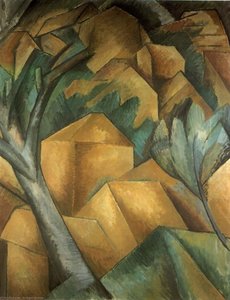 Houses At L'estaque - Georges Braque
In Houses At L'estaque , Georges Braque masterfully deconstructs the Mediterranean landscape into a rhythmic arrangement of earth-toned geometries. This pivotal work stands as a cornerstone in our collection of paintings dominated by driftwood tones, utilizing a sophisticated palette of ochre, muted umber, and weathered sand to evoke the sun-bleached textures of the French coast. As a foundational piece of proto-Cubism, it moves beyond mere representation, using fragmented planes to capture the structural essence of the village.
The painting’s reliance on organic, desaturated hues makes it an exceptional choice for modern architectural interiors. The way the interlocking shapes echo the natural grain of wood and stone allows this masterpiece to integrate seamlessly into contemporary spaces, particularly those favoring minimalist or industrial aesthetics. By stripping away vibrant distractions, Braque focuses the viewer's attention on the tactile interplay of light and shadow, offering a sense of grounded stability and timelessness that resonates deeply within any curated professional or residential environment.
Christmas in the Brothel - Edvard Munch
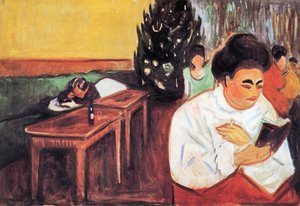 Christmas in the Brothel - Edvard Munch
To encounter Christmas in the Brothel by Edvard Munch is to step into a raw, psychological landscape where light and shadow perform a haunting dance. This 1905 masterpiece earns its place among the world's top paintings through its profound emotional intelligence, utilizing a palette of weathered, organic hues that define the driftwood aesthetic. The composition is anchored by deep ochres, burnt umbers, and sun-bleached tans, creating an atmosphere that feels both aged and intensely immediate.
Munch employs thick, gestural impasto to weave a scene of chaotic intimacy; the warm, saturated tones of reds and browns evoke the textured grain of ancient wood, grounding the Expressionist energy. For the discerning collector or interior designer, this work offers more than mere decoration; it provides a sophisticated focal point for modern luxury spaces. Its ability to harmonize rugged, earthy pigments with high-concept emotional depth makes it a timeless selection for those seeking to infuse a refined interior with a sense of historical legacy and soulful resonance.
Snap the Whip - Winslow Homer
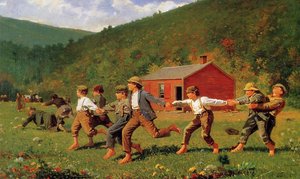 Snap the Whip - Winslow Homer
In Winslow Homer’s 1872 masterpiece, Snap the Whip , the lines of motion aren’t merely drawn; they are choreographed . This is not a static composition of rural life; it is a dance frozen in time, where the tug-of-war rope creates a rhythmic tension that pulls the viewer directly into the fray. As a standout in our selection of paintings dominated by driftwood tones, this work utilizes an earthy, organic palette—weathered browns, muted tans, and sun-bleached textures—to ground the exuberant energy of the children.
The interplay of light and shadow across the rugged landscape evokes a sense of nostalgic stability, making the chaos of play feel like perfect harmony. The neutral, wood-like tones of the terrain provide a sophisticated backdrop that allows the vibrant reds of the schoolhouse to resonate without overwhelming the eye. What if your corporate space or hospitality suite could hold that same balance? By integrating these weathered, natural hues into your interior design, your walls can breathe rhythm and timelessness, capturing the enduring charm of American Realism.
Conclusion
As the light fades on our exploration of these driftwood-toned masterpieces, we are reminded that these works are far more than mere relics of a bygone era or static subjects in a gallery. They are living, breathing presences that continue to pulse with the same quiet intensity with which they were first painted. The muted ochres, weathered umbers, and soft, sandy neutrals found within these compositions do not simply decorate a wall; they anchor a room, offering a sense of grounded permanence in an ever-changing world. These tones carry the weight of history and the warmth of human memory, bridging the gap between the profound emotions of the masters and the intimate sanctuaries we call home.
To live alongside such art is to engage in an eternal dialogue with the past. Each brushstroke, captured in its textured depth, invites us to slow down, to breathe, and to find beauty in the subtle, the weathered, and the understated. These paintings shape our interiors into spaces of reflection, turning modern walls into windows onto the timeless human experience. Whether through the sweeping landscapes that evoke a sense of wanderlust or the quiet portraits that mirror our own introspective moments, these works remain vital catalysts for creativity and connection. We invite you to continue this journey and discover how these earthy, evocative hues can transform your own surroundings by exploring our full collection .