



Introduction
To step into a gallery dominated by the vibrant, pulsing energy of Quinacridone Magenta is to witness the heartbeat of art history itself. There is a specific, visceral frequency found in these deep, luminous pinks and electric violets—a hue that does not merely sit upon the canvas but seems to radiate from within it. It is a color that commands attention, bridging the gap between the delicate softness of a blooming petal and the intense, dramatic shadows of a twilight sky.
Historically, the mastery of such intense, transparent pigments has allowed artists to capture light in ways previously unimaginable. While the chemical evolution of modern pigments like Quinacridone has provided contemporary painters with unparalleled brilliance, the emotional legacy of these tones stretches back through centuries of color theory. These shades have long been used to evoke passion, mystery, and the sublime, serving as a visual language for the most profound human experiences.
Today, these masterpieces remain deeply meaningful because they tap into our primal sensory responses. In an era of digital saturation, the physical depth of a hand-painted magenta—with its visible brushstrokes and rich, tonal transitions—offers a grounding, tactile connection to the masters. Whether it is the way a sunset bleeds into deep rose or how a portrait captures the flush of life, these works remind us of the enduring power of light and pigment.
As we journey through this curated selection, prepare to encounter ten iconic works where this singular, breathtaking palette takes center stage. Each painting on this list offers a unique study in how a single, powerful tone can define an entire composition, guiding your eyes through landscapes of emotion and light.
Number 1, 1949 - Paul Jackson Pollock
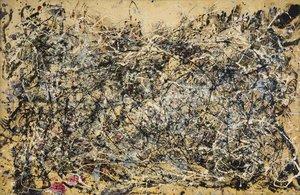 Number 1, 1949 - Paul Jackson Pollock
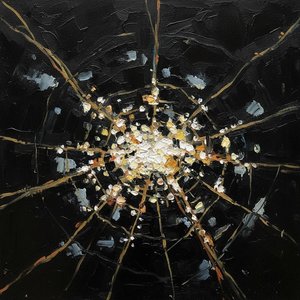
To stand before Jackson Pollock’s Number 1, 1949 is to witness a controlled explosion of raw human emotion. The canvas does not merely sit on the wall; it vibrates with the kinetic energy of the "action painting" technique, where every drip and splatter serves as a physical record of the artist's movement. While the composition is famously chaotic, a closer inspection reveals a sophisticated interplay of tones. Amidst the dense web of blacks, ochres, and whites, subtle, rhythmic pulses of reddish-pink and deep magenta-adjacent hues emerge, providing a vital warmth to the otherwise stark, industrial palette.
This masterpiece offers more than historical significance; it provides a profound sensory experience. The thick, impasto textures and the intricate, overlapping layers create a sense of infinite depth that invites prolonged contemplation. In a modern professional or residential setting, such a monumental work acts as a powerful focal point, injecting a sense of creative dynamism and avant-garde sophistication into any architectural space, transforming a static room into an arena of inspiration.
The Child's Bath - Mary Stevenson Cassatt
 The Child's Bath - Mary Stevenson Cassatt
In Mary Cassatt’s 1893 masterpiece, The Child's Bath , the quiet intimacy of maternal care is elevated to a profound exploration of human connection. This work earns its place among the top paintings dominated by Quinacridone Magenta tones through its masterful use of vibrant, warm hues that breathe life into the skin tones and delicate fabrics. Cassatt utilizes these intense pinks and magentas to create a sense of warmth and vitality, contrasting beautifully with the cool, soft blues of the water.
Beyond the technical brilliance of her Impressionistic brushwork, the painting serves as a timeless reflection on vulnerability and nurturing. The way the light interacts with the magenta-infused shadows creates a sensory experience that feels both modern and deeply historical. For the discerning collector or decorator, integrating such a piece into a professional space—whether a boutique hotel or a corporate lounge—introduces a sophisticated layer of emotional depth. It is more than mere decor; it is a conversation between historical mastery and contemporary elegance, offering a soft, luminous focal point that inspires tranquility and grace.
Skull with Burning Cigarette - vincent willem van gogh
 Skull with Burning Cigarette - vincent willem van gogh
In Skull with Burning Cigarette by Vincent van Gogh, the viewer is met not with a hollow void, but with a startlingly visceral confrontation of mortality. While this early work is anchored by earthy ochres and somber shadows, it serves as a profound psychological anchor within our selection of masterpieces. The painting captures a haunting tension between the permanence of bone and the ephemeral wisp of smoke, acting as a universal mirror for the human experience of transience.
The emotional depth found in Van Gogh’s expressive, thick impasto brushwork invites a deep, meditative state. For the discerning collector or interior designer, integrating such a powerful piece into a curated space can transform a quiet corner into a sanctuary for profound reflection. The stark, dramatic lighting and the unexpected rebellion of the lit cigarette provide a focal point that commands attention, making it an essential inclusion for those seeking to balance heavy existential themes with the sophisticated, moody aesthetics found in our top-tier collections.
The Green Violinist - Marc Chagall
 The Green Violinist - Marc Chagall
In Marc Chagall’s 1924 masterpiece, The Green Violinist , light does not merely illuminate the canvas; it breathes life into a dreamscape of Jewish folklore and surrealist wonder. As you stand before this work, you realize the artist hasn't just painted a scene—he has composed a visual sonata where color acts as the melody. While the namesake green face provides a striking focal point, the true magic lies in the way deep, resonant purples and intense, glowing accents of Quinacridone Magenta tones dance against the misty village rooftops.
These vibrant magenta hues serve as the emotional heartbeat of the piece, creating a striking contrast that pulls the viewer into a world of weightlessness and transformation. The light here is invented, not reflected; it emerges from the intersection of deep violets and brilliant, warm highlights to evoke a sense of nostalgia and spiritual transcendence. To bring this painting into your space is to invite a portal of inspiration, where the energy of the fiddler’s music spills across your walls, turning a simple room into a gateway for profound emotion and movement.
Saltimbanques (The Family of Saltimbanques) - Pablo Picasso
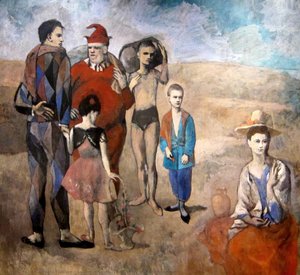 Saltimbanques (The Family of Saltimbanques) - Pablo Picasso
In Pablo Picasso’s 1905 masterpiece, Saltimbanques , the lines aren’t merely drawn; they are choreographed . This is not a static composition of circus performers; it is a dance frozen in time , marking the pivotal transition from the somber Blue Period to the warmth of the Rose Period. The canvas vibrates with the emergence of rosy hues and deep, emotive tones that hint at the arrival of much richer pigments.
The figures are clustered in a way that makes chaos feel like harmony, utilizing fragmented forms and a flattened perspective that prefigures Cubism. As you observe the interplay of muted reds, ochres, and those unmistakable pinkish undertones, you realize this painting is a study in emotional shift—moving from isolation toward a more hopeful, sun-drenched palette. What if your living room could hold that same balance? What if your walls could breathe rhythm ? By integrating these powerful, warm tones into your space, you invite the same sense of theatrical drama and soulful movement into your professional or residential environment.
Girl Reading a Letter at an Open Window - Johannes Vermeer
 Girl Reading a Letter at an Open Window - Johannes Vermeer
In the quietude of Johannes Vermeer’s Girl Reading a Letter at an Open Window , time seems to suspend itself within a single, luminous breath. This masterpiece earns its place among the top paintings dominated by Quinacridone Magenta tones through the subtle, emotive way these vibrant hues interact with the Dutch Golden Age's characteristic light. While the scene is anchored in earthy realism, the delicate infusion of rosy, magenta-adjacent undertones in the shadows and soft drapery provides a pulse of hidden passion beneath the surface of domestic stillness.
Vermeer utilizes chiaroscuro to sculpt the young woman’s form, where light streaming through the window meets the deep, velvety textures of the interior. The interplay of light and shadow creates a sensory richness—the rough weave of bedclothes contrasting with the smooth, glowing skin of the subject. For the modern collector, integrating such a piece into a contemporary space offers more than mere decoration; it introduces a profound sense of sophisticated calm and historical depth, allowing the painting's quiet drama to anchor a room with timeless elegance.
Battle of Grunwald (detail) (10) - Jan Matejko
 Battle of Grunwald (detail) (10) - Jan Matejko
In the visceral detail of Battle of Grunwald (detail) (10) , Jan Matejko orchestrates a masterclass in historical tension, where the heavy atmosphere of conflict is punctuated by striking, high-chroma accents. As part of our exploration into paintings dominated by Quinacridone Magenta tones , this work stands out through its use of intense, saturated reds and deep crimson highlights that emerge from a sea of earthy browns and shadows. These vivid splashes—representing both the blood of combat and the heraldic banners of the Polish-Lithuanian forces—provide the essential chromatic pulse that prevents the dense, chaotic composition from receding into darkness.
The painting’s dramatic chiaroscuro and rich, painterly textures offer a profound sensory experience, making it a cornerstone for collectors seeking pieces with immense emotional weight. For modern interior curation, such a powerful use of warm, aggressive pigments serves as a commanding focal point in corporate lobbies or grand dining halls, where the interplay of light and deep magenta-adjacent hues can establish an atmosphere of prestige, strength, and historical gravity.
Dancer with a bouquet of flowers (The Star of the ballet) - Edgar Degas
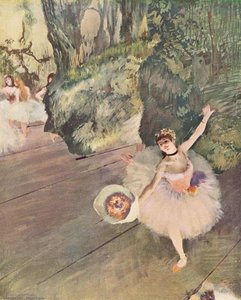 Dancer with a bouquet of flowers (The Star of the ballet) - Edgar Degas
In Edgar Degas' 1878 masterpiece, Dancer with a bouquet of flowers (The Star of the ballet) , the eye is immediately drawn to the rhythmic, expressive brushwork that defines the ballerina’s tutu. The artist utilizes layered oil applications to create a palpable texture, where the vibrant, blooming tones of Quinacridone Magenta and soft pinks emerge from the canvas with a life of their own. This technique does more than depict fabric; it captures the very pulse of the performance, blending the warmth of flesh tones with the energetic, light-drenched hues of the floral bouquet.
Degas’ ability to manipulate these intense, saturated pigments places this work at the pinnacle of our list, showcasing how color can evoke both the strength and vulnerability of a dancer. At ArtsDot.com, we specialize in preserving this tactile, three-dimensional quality . Our hand-painted reproductions are meticulously crafted on 100% cotton canvas, ensuring that every visible brushstroke and deep tonal variation of Degas’ original vision is translated into a museum-grade piece for your collection.
Cain or Hitler in Hell - George Grosz
 Cain or Hitler in Hell - George Grosz
In the haunting depths of Cain or Hitler in Hell by George Grosz, a visceral scream of history is frozen in oil and shadow. This masterpiece earns its place among the top 10 famous paintings dominated by 'Quinacridone Magenta' tones through its terrifyingly beautiful use of color to signal apocalypse. The background is not merely a battlefield; it is a furnace of emotion where intense, fiery magentas and searing oranges bleed into the smoke of crumbling cities.
Grosz utilizes these vibrant, blood-like hues to create a hellish landscape that breathes with the heat of destruction. The thick, expressive impasto brushstrokes catch the light, making the glowing embers of war feel tactile and dangerously present. While the subject matter is heavy with the weight of anti-fascist protest, the sophisticated interplay of deep crimson and magenta tones offers a profound visual intensity. In a modern collection, such a powerful palette serves as a commanding focal point, bringing a sense of historical gravity and dramatic architectural depth to any curated space.
At the Shrine - John William Waterhouse
 At the Shrine - John William Waterhouse
In John William Waterhouse’s 1895 masterpiece, At the Shrine , the atmosphere is thick with a quiet, romantic reverence. While the figure in her flowing white gown embodies purity, it is the strategic use of deep, floral accents that anchors this piece within our selection of paintings dominated by Quinacridone Magenta tones. The delicate roses and soft, petal-heavy textures provide those essential, vibrant pulses of pink and magenta that breathe life into the muted, classical background.
There is a gaze in At the Shrine by John William Waterhouse that follows you—not with judgment, but with understanding . This isn’t merely a portrait of a moment; it is a mirror for the viewer's own reflections. As you observe the interplay of light on the brickwork and the soft, saturated hues of the blossoms, the painting invites a sense of introspection. Now, imagine that gaze in your space. Not watching you, but reminding you : you are seen. You are part of this timeless story of beauty and remembrance.
Conclusion
As we step away from these vibrant canvases, leaving the glow of those intense, magenta-infused horizons behind, we realize that these masterpieces do not belong solely to the archives of history or the quiet halls of museums. They are living, breathing forces of light and emotion that continue to pulse with relevance in our modern world. The deep, resonant warmth of a Quinacridone Magenta sunset or the delicate, electric bloom of a floral study does more than decorate a wall; it invites a dialogue between the past and the present, bridging centuries through a shared human response to beauty.
These works remain vital presences in our lives, capable of transforming a sterile corporate space into a sanctuary of inspiration, or turning a quiet home into a gallery of profound emotion. They remind us that even as time marches forward, the fundamental rhythms of color and light—the way a certain hue can evoke both passion and peace—remain unchanged. As you carry the memory of these brilliant tones with you, we invite you to continue your journey through the spectrum by exploring our full collection , where the legacy of these masters continues to find new life in the spaces we inhabit today.