
Introduction
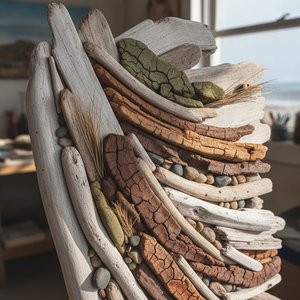
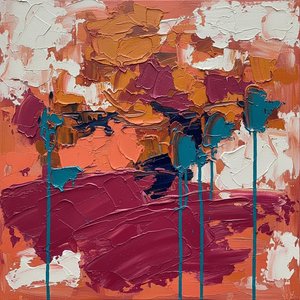
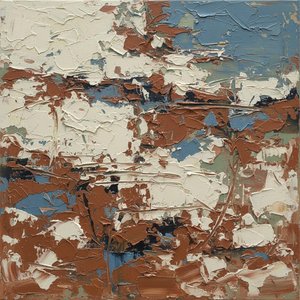
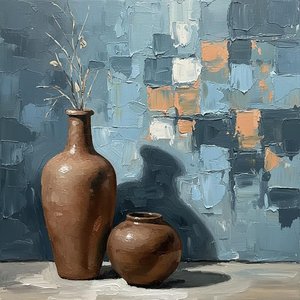
Step into a gallery where the air feels heavy with the scent of earth, ancient dust, and sun-drenched soil. To encounter paintings dominated by clay tones is to witness art that has returned to its most primal roots. These are not the fleeting, bright pigments of modern synthetics, but rather the deep umbers, warm siennas, and muted ochres that mirror the very foundation of our world. There is a profound, grounding rhythm in this palette—a visual language that speaks of landscapes shaped by time, of skin weathered by the sun, and of the enduring strength found in the terrestrial.
Historically, these earthen hues have served as the heartbeat of many great eras. From the earliest pigments extracted from minerals to the sophisticated glazing techniques of the Old Masters, clay-toned palettes have provided a sense of permanence and stability. In various cultures, these colors were more than mere aesthetic choices; they represented the connection between humanity and the land, evoking the warmth of hearths, the fertility of valleys, and the solemnity of the desert. When an artist leans into this spectrum, they are tapping into a collective memory that predates written history.
In our fast-paced, digitally saturated modern age, these artworks remain deeply meaningful because they offer a much-needed sensory anchor. In a world of neon and high-contrast screens, the subtle gradations of terracotta, sand, and burnt sienna provide a psychological respite. They invite us to slow down, to breathe, and to find beauty in the understated and the organic. These paintings do not shout for attention; instead, they command it through a quiet, resonant dignity that settles into the soul.
As we journey through this curated selection, prepare to encounter masterpieces that utilize these earthy textures to tell stories of profound depth. We will explore ten iconic works where the clay-toned palette is not merely a background, but the very protagonist of the canvas—each piece offering a unique window into how the colors of the earth can capture the most complex human emotions.
The Elephants, 1948 - Salvador Dalí
 The Elephants, 1948 - Salvador Dalí
In the surrealist dreamscape of The Elephants (1948), Salvador Dalí invites us to witness a world where gravity feels like a mere suggestion and strength is draped in extreme fragility. This masterpiece earns its place in our selection through its profound ability to subvert expectation, using spindly, insect-like legs to support massive, burdened figures against a backdrop of scorched earth and heavy, clay-toned horizons.
The painting’s power lies in its masterful use of earthy, desaturated pigments—muted greys and warm, dusty ochres—that ground Dalí's most irrational hallucinations in a sense of tactile reality. It is an irreplaceable pillar of visual culture, symbolizing the precarious balance between power and vulnerability. At ArtsDot.com, we believe in democratizing this level of profound beauty. By offering high-fidelity, hand-painted oil reproductions, we enable you to bring this transformative, atmospheric presence into your own home or corporate space, allowing Dalí’s hauntingly beautiful landscapes to anchor your interior with a sense of timeless, surrealist wonder.
Assumption of the Virgin - Titian
 Assumption of the Virgin - Titian
Titian’s Assumption of the Virgin stands as a monumental pillar in our exploration of works defined by earthy, grounded foundations. While the celestial ascent of Mary is draped in vibrant crimsons and divine golds, the composition is anchored by a profound use of clay-like tones within the lower register. The apostles below are rendered with a heavy, tactile realism; their robes and skin tones utilize deep ochres, sienna, and muted umbers that ground the spiritual drama in a palpable, earthly reality.
This interplay between the terrestrial and the divine creates a sophisticated visual tension that resonates in modern interior curation. In contemporary design, the use of these warm, clay-dominated palettes provides a sense of stability and organic warmth, making this masterpiece a blueprint for balancing grandeur with comfort. Titian’s mastery of colorito ensures that even amidst the swirling heavenly clouds, the structural weight of the earthbound figures remains central, offering a timeless lesson in using neutral, earthen pigments to provide depth and emotional gravity to high-impact visual narratives.
Woman with a Hat - Henri Matisse
 Woman with a Hat - Henri Matisse
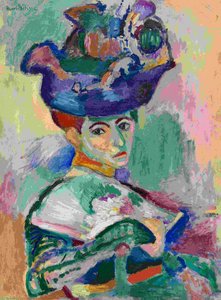
To gaze upon Woman with a Hat by Henri Matisse is to witness the raw, unbridled pulse of emotion captured in a single moment. This portrait of Amélie Matisse transcends mere likeness; it is an explosion of Fauvist energy where the subject's contemplative gaze meets a whirlwind of expressive color. While famous for its vibrant palette, the work is anchored by essential earthy foundations—subtle clay tones and ochres that provide a structural weight beneath the wild, non-naturalistic strokes.
It earns its place among the top 10 famous paintings dominated by clay tones because of how these grounded, organic hues balance the chaotic brilliance of the composition, preventing the vivid pigments from overwhelming the viewer. This masterpiece serves as a masterclass in using neutral, earthen undertones to stabilize radical color experimentation. At ArtsDot.com, we specialize in preserving this delicate tension. Our 100% hand-painted oil reproductions meticulously recreate Matisse's thick impasto and visible brushstrokes, allowing you to bring the profound emotional depth and textured history of Fauvism into your own professional or residential space.
Madonna and Child with an Angel - Sandro Botticelli
 Madonna and Child with an Angel - Sandro Botticelli
In Madonna and Child with an Angel by Sandro Botticelli, the heavy presence of earthy, clay-like undertones anchors the ethereal Renaissance figures to a grounded, tactile reality. These muted browns and warm ochres create a sense of profound stability and quiet devotion, setting a mood of contemplative stillness that is essential for any sophisticated collection. This mastery of a desaturated, earth-toned palette earns its place among the top 10 famous paintings dominated by clay tones, as Botticelli uses these pigments to provide a structural foundation for the luminous blues and soft pinks of the divine figures.
For the modern interior designer or procurement manager, integrating this specific color scheme offers a way to curate emotional lighting within a corporate lounge or high-end dining room. The warmth of the clay tones provides a neutral yet rich backdrop that complements contemporary furniture, allowing the artwork to introduce a sense of historical weight and organic warmth without clashing with modern aesthetics. Utilizing these naturalistic, muted hues helps in creating a balanced, professional atmosphere that feels both timeless and grounded.
Europe after the Rain II - Max Ernst
 Europe after the Rain II - Max Ernst
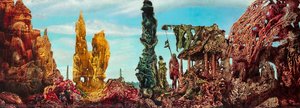
In Europe after the Rain II by Max Ernst, a heavy, earthen palette of deep ochre, burnt sienna, and clay-like browns anchors the surreal landscape, establishing a mood of profound, weathered antiquity. This mastery of warm, mineral tones earns its place among the top 10 famous paintings dominated by 'clay' tones, as Ernst uses these pigments to create organic, rock-like formations that feel both geological and alive. The way these dusty, terracotta hues interact with sudden bursts of sunset gold creates a visual depth that is unparalleled in Surrealist works.
For the discerning decorator or procurement manager, this piece serves as a sophisticated foundation for modern interior styling. The earthy color scheme provides an ideal anchor for corporate lounges or high-end dining rooms, where it can harmonize with natural wood textures and stone finishes. By integrating this artwork, you introduce a sense of historical weight and atmospheric warmth, allowing the clay-toned palette to dictate a grounded yet imaginative lighting scheme that transforms a standard space into a curated gallery experience.
The fighting téméraire - Joseph Mallord William Turner
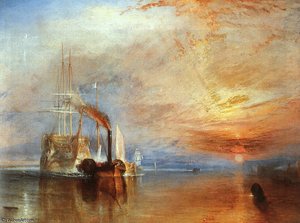 The fighting téméraire - Joseph Mallord William Turner
As the sun dips below the horizon, casting a final, amber glow over the Thames, one cannot help but feel the weight of passing eras. In The Fighting Téméraire by Joseph Mallord William Turner , we witness a profound visual elegy where the heroic age of sail meets the soot-stained dawn of industrialization. This masterpiece earns its place in our selection of paintings dominated by 'clay' tones through its masterful use of earthy, muted pigments and atmospheric haze.
Turner utilizes a palette of ochre, sepia, and dusty terracotta to render the ghostly silhouette of the HMS Temeraire as it is towed toward its decommissioning. The heavy, impasto brushwork creates a tactile sense of turbulent water and swirling mist, where light and shadow bleed into one another. These warm, clay-like hues do more than depict a sunset; they evoke a deep sense of nostalgia and the inevitable decay of greatness. To display such a work is to invite a contemplative, soulful energy into any professional or private space, reminding us that even as eras fade, their beauty remains eternal.
Venus and Mars - Sandro Botticelli
 Venus and Mars - Sandro Botticelli
In Botticelli’s Venus and Mars , the heavy atmosphere of conflict is dissolved by a palette of profound earthiness. This masterpiece earns its place in our selection through its masterful use of clay-toned pigments—ochre, terracotta, and warm sienna—which ground the mythological figures in a tangible, sensory reality. The painting captures a rare moment of respite where the god of war slumbers, disarmed by the gentle presence of love, all set within a landscape of rich, sun-baked tones.
The way these muted, organic hues interact with the soft light creates a sense of timeless stability and warmth. At ArtsDot.com, we believe such depth should not be confined to museum walls. By bringing this specific tonal harmony into your corporate or residential space, you transform a mere room into a sanctuary of classical elegance. Whether through a large-format mural or a custom oil reproduction, integrating these earthy Renaissance tones allows you to curate an environment that feels both historically significant and professionally refined.
The Embarkation for Cythera - Jean-Antoine Watteau
 The Embarkation for Cythera - Jean-Antoine Watteau
In Jean-Antoine Watteau's The Embarkation for Cythera , the atmosphere does more than just set a scene; it envelops you in a soft, rhythmic pulse of 18th-century romance. As one of the most profound examples in our collection of paintings dominated by clay tones, this masterpiece utilizes a sophisticated palette of ochre, warm umber, and muted terracotta to ground its ethereal subject matter. These earthy, clay-like pigments provide a necessary weight to the dreamlike fête galante , preventing the whimsical figures from drifting away into pure fantasy.
There is a gaze in this work that follows you—not with judgment, but with an understanding of life's fleeting pleasures. The way the light catches the heavy, silken drapery and the dusty riverbank acts as a mirror to our own desires for tranquility. When placed in a professional or residential space, these warm, grounded tones do not merely decorate; they remind you that even in moments of grand celebration, there is a profound, quiet beauty found in the earth beneath our feet. It is a masterful balance of rococo elegance and organic, tactile depth.
Ariadne - John William Waterhouse
 Ariadne - John William Waterhouse
In the quiet intersection of myth and earth, certain masterpieces possess a grounded, tactile warmth that anchors the viewer's gaze. Ariadne by John William Waterhouse stands as a profound example of this phenomenon. Created in 1898, this Pre-Raphaelite triumph is defined by its heavy, earthen undertones—a palette of clay, terracotta, and sun-baked ochre that provides a stable foundation for the figure's vibrant red drapery.
The composition breathes with a sense of organic weight; the meticulous brushwork renders the textures of stone, lush greenery, and even the sleek fur of an exotic leopard with a palpable, sculptural depth. Waterhouse utilizes these muted, mineral-like tones to create a chiaroscuro effect, where light dances across skin and fabric, emerging from shadows that feel as rich and dense as the earth itself. This balance of warm, clay-dominated hues and dramatic highlights makes the piece an essential inclusion for any collection focused on tonal depth. Ultimately, such works do more than decorate; they infuse modern interiors with a sense of historical permanence and a quiet, enduring prestige.
Tuna Fishing, 1967 - Salvador Dalí
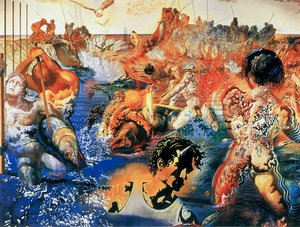 Tuna Fishing, 1967 - Salvador Dalí
In Tuna Fishing (1967) , Salvador Dalí orchestrates a feverish interplay of light that transforms a chaotic naval scene into a glowing, visceral experience. The illumination does not merely light the figures; it seems to emanate from within the swirling masses of bodies and sea life, utilizing intense oranges, deep ochres, and warm terracotta hues to create a sense of heat and cosmic energy. This masterful command of chiaroscuro —where brilliant highlights clash against dense, earthy shadows—captures the raw intensity of the Almadraba fishing method while elevating the struggle to a symbolic, universal level.
The painting’s dominance in our selection of paintings dominated by clay tones stems from this sophisticated use of warm, organic pigments that ground Dalí's surrealist distortions. When reproduced as a high-quality oil painting, the visible brushstrokes and layered glazes preserve this luminous depth, allowing the rich, sun-drenched palette to add a layer of prestigious warmth and architectural texture to any contemporary space. It is a piece that brings both movement and a quiet, glowing luxury to a professional collection.
Conclusion
As the light fades on our journey through these earthen masterpieces, we are reminded that the beauty of clay, ochre, and sienna lies in their profound connection to the very ground we walk upon. These tones do more than merely decorate a canvas; they anchor us, offering a sense of warmth, stability, and timelessness that transcends the centuries. To gaze upon these works is to witness the enduring pulse of human creativity—a quiet, rhythmic heartbeat that continues to move hearts and shape the atmosphere of our most intimate spaces.
These paintings are not merely historic treasures locked behind museum glass; they are living presences, waiting to breathe life into your own surroundings. By bringing their textured depth and soulful warmth into your home or workspace, you invite a daily encounter with grace and history. They serve as gentle reminders of our shared human story, turning a simple wall into a window of inspiration and a sanctuary of peace.
We invite you to continue this exploration and find the piece that speaks to your spirit within our full collection . Let these enduring pigments transform your environment, turning every glance into a moment of wonder and every room into a gallery of lasting emotion.