The First Chronicles: From Cave Walls to Ancient Murals
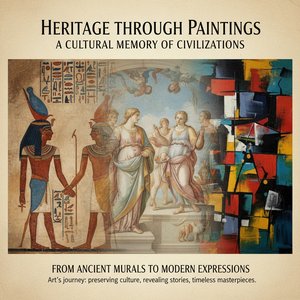 Heritage Through Paintings: A Cultural Memory of Civilizations – From Ancient Murals to Modern Expressions
The Enduring Legacy: How Paintings Preserve Cultural Memory From the ochre handprints pressed onto cave walls millennia ago to the vibrant canvases of contemporary artists, paintings have served as humanity’s most enduring visual chronicle. They are ...
Before the written word could anchor a civilization, the human hand found its voice on the cold, damp surfaces of stone. To look upon the ochre handprints pressed into cave walls millennia ago is to witness the very first heartbeat of recorded history. These are not merely primitive sketches; they are the foundational layers of our collective visual narrative. In these darkened recesses, early humans utilized pigments derived from earth and mineral to document hunts, rituals, and the profound connection between predator and prey. This was art as survival, a way to encode the essential truths of existence into a medium that could outlast the flesh.
As we move forward through the corridors of time, this impulse to record expands into the grander scale of civilization. The frescoes unearthed from the ruins of Pompeii offer us a hauntingly intimate window into Roman daily life, frozen in a moment of volcanic tragedy. These paintings provide a level of visceral detail that even the most meticulous written accounts cannot replicate, capturing the textures of fabric, the light on a banquet table, and the subtle expressions of a people long gone. Similarly, the elaborate murals adorning Egyptian tombs were never intended for mere decoration; they were functional, sacred blueprints designed to guide the soul through the afterlife, meticulously detailing religious rituals that bridged the gap between the living and the eternal.
Vessels of the Soul: How Renaissance Masters Captured Human Identity
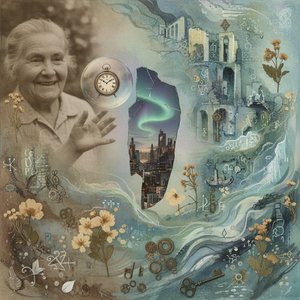 Echoes of Experience: Exploring Representations of Memory in Visual Art
Introduction: The Enduring Fascination with Memory in Art Evoking Echoes of Time: Nostalgia as a Dominant Vibe in Art Historical & Contemporary Practice Explore the powerful role of nostalgia in art history & contemporary practice. Discover how artis...
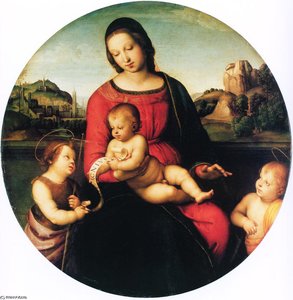
The transition from the symbolic to the deeply human reached its zenith during the Renaissance, an era where the canvas became a mirror for the burgeoning intellect and ambition of man. This period saw artists move beyond the flat, iconographic styles of the past to embrace a profound psychological depth. Think of the works of Leonardo da Vinci, who did not simply paint faces but sought to capture the very essence of the subject—their intellect, their hidden desires, and their inner lives. When we gaze upon the
Mona Lisa, we are not just observing a portrait; we are engaging in an encounter with a soul, rendered through layers of glaze that suggest a breathing, thinking entity.
This era mastered the art of the visual metaphor, using light and shadow to communicate complex theological and philosophical truths. The mastery of
sfumato—the smoky blurring of edges—allowed for a seamless integration of figure and atmosphere, mirroring the Renaissance belief in the interconnectedness of humanity and the natural world. These paintings became vessels of cultural memory, preserving the triumphs of humanism and the shifting power dynamics of Europe. Every brushstroke served to elevate the status of the individual, turning the canvas into a stage where the drama of human identity could be played out with unprecedented realism and grace.
Architectural Echoes: Art as a Blueprint for Cultural Memory
Art is rarely confined to the frame; it breathes through the very structures we inhabit. Architecture and fine art often converge to create spaces that act as silent sentinument of memory. Consider the profound stillness found within the Yoon Dongju Memorial Hall at Yonsei University. The interplay between its solid, enduring masonry and the soft greenery surrounding it creates a visual dialogue between human permanence and the organic cycles of nature. Such structures are not merely stone and mortar; they are curated experiences designed to evoke reverence for the legacies they protect, much like how the architecture of the Victoria Memorial Hall in Kolkata serves as a colossal, breathing chronicle of imperial ambition.
This architectural storytelling extends to the way we memorialize loss and triumph. The unexecuted design for the Memorial to the Missing in St Quentin by Charles Augustus Henry Lutyens demonstrates how even an unbuilt vision can serve as a powerful landscape of memory. Through precise line work and the strategic use of light and shadow, such designs attempt to give form to the intangible grief of entire generations. Whether it is the imposing ramparts of Dover Castle or the delicate beauty of a Georgian gem like Marble Hill House, these sites are part of a larger tapestry of time, where the built environment acts as an anchor for our shared cultural identity, preserving the stories woven into the very fabric of our landscapes.
The Modern Shift: Capturing the Anxieties of a Changing World
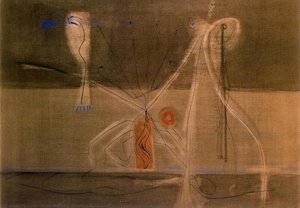 Tentacles of Memory
A Haunting Embrace: Deconstructing Rothko’s “Tentacles of Memory” This deeply evocative work by Mark Rothko (Marcus Rothkowitz) transcends simple categorization, existing in a liminal space between Abstract Expressionism and Surrealism. While often c...
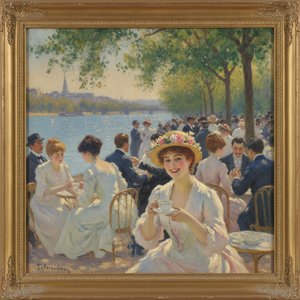
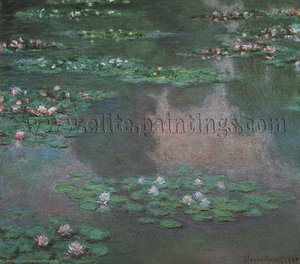
As the world accelerated into modernity, the function of art underwent a radical transformation, shifting from the depiction of external reality to the exploration of internal sensation and societal anxiety. The 19th and 20th centuries brought about movements that were profound responses to a rapidly changing, often fracturing, world. Impressionism, with its focus on the fleeting effects of light and atmosphere, sought to capture the ephemeral nature of perception in an age of industrial expansion. Meanwhile, the rise of Surrealism delved into the depths of the subconscious, using dreamlike imagery to navigate the psychological complexities of a post-war era.
This period also saw the emergence of more abstract forms of expression, where the subject matter was no longer a recognizable figure but an exploration of color, shape, and emotion. The works of Mark Rothko, such as
Tentacles of Memory, exemplify this shift, existing in a liminal space between abstraction and a profound exploration of the human condition. These modern movements were not merely stylistic rebellions; they were essential tools for processing the uncertainties of modernity, offering new visual languages to articulate the weight of remembrance, the fragility of connection, and the persistent search for meaning in an increasingly fragmented reality.
Preserving the Narrative: The Science and Art of Art Conservation
 Conservation and restoration of cultural property
The conservation and restoration of cultural property focuses on protection and care of cultural property (tangible cultural heritage), including artworks, architecture, archaeology, and museum collections. Conservation activities include preventive ...
The survival of our visual history depends upon a delicate balance of scientific rigor and artistic intuition. The field of conservation is a dedicated endeavor to protect the tangible legacies we inherit from the past. It involves much more than simple repair; it is a complex process of preventive care, meticulous documentation, and restorative science. From the chemical analysis of pigments to ensure that new materials do not react negatively with ancient binders, to the stabilization of crumbling frescoes, conservationists act as the guardians of our collective memory.
This work requires an intimate understanding of the chemistry of art—knowing, for instance, how specific oils like saffoar can prevent yellowing in whites, or how a coat of Damar varnish protects a surface from atmospheric pollutants. The goal is to keep the artwork as close to its original condition as possible, ensuring that the artist's original intent remains legible to future generations. Without this continuous effort of preservation and restoration, the vibrant tapestries of our history would fade into obscurity, leaving us disconnected from the very visual chronicles that define our civilization.
The Living Canvas: Reimagining History Through Contemporary Expression
Visual narrativeA visual narrative (also visual storytelling) is a story told primarily through the use of visual media. This can be images in the mind, digital, and traditional media. The story may be told using still photography, illustration, or film, and can be ...
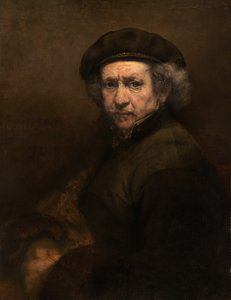
Today, the dialogue between history and art continues through new, innovative mediums that allow us to remix and reimagine the past. We no longer merely observe history; we participate in its ongoing creation. The advent of digital tools and AI-driven transformations allows us to take a modern photograph and reconstruct it through the lens of Cubism or Surrealism, creating a bridge between contemporary life and historical aesthetics. This "period shifting" allows for a personalized engagement with art history, where a simple portrait can be transformed into a 17th-century masterpiece in the style of Rembrandt.
Furthermore, the concept of the "multi-panel" trend in modern interiors demonstrates how we can use large-scale, contemporary compositions to split classical imagery across multiple canvases, creating a cohesive and architectural look for modern spaces. Whether through the creation of massive, hand-painted murals that recreate historical ceilings or the custom commission of a pet portrait in the impasto style of Van Gogh, the spirit of the masters lives on. Art remains a living, breathing narrative—a continuous loop where the techniques of the past are constantly being reinterpreted to reflect the bold, high-impact energy of the present.
For those looking to bring these historical echoes into their own contemporary spaces, ArtsDot.com offers an unparalleled collection of hand-painted reproductions and museum-quality prints that celebrate the enduring power of the masterpiece.




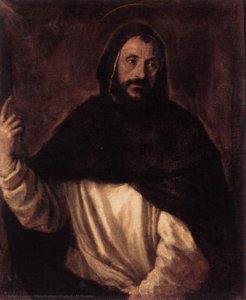

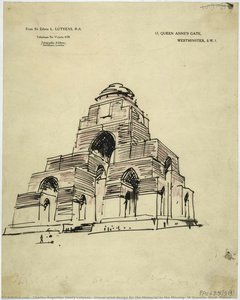 Unexecuted design for the Memorial to the Missing, St Quentin, Nord, France