
The New Aesthetic Currency: Why Pop Culture Art is the Ultimate Branding Tool
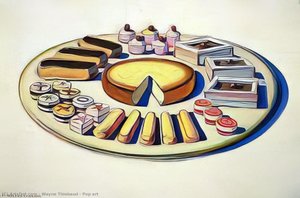
Pop art is an art movement that emerged in the United Kingdom and the United States during the mid-to late 1950s. The movement presented a challenge to traditions of fine art by including imagery from popular and mass culture—including advertising, c...
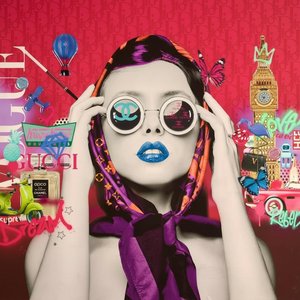
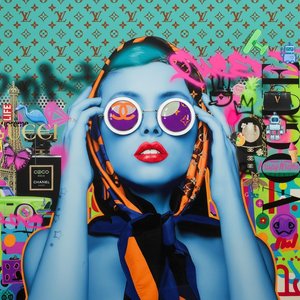
In the hyper-saturated landscape of modern hospitality, a space is no longer defined merely by its architecture or its service, but by its visual pulse. For the contemporary designer, the challenge has shifted from creating mere comfort to engineering identity. We are witnessing the rise of a new aesthetic currency where the boundaries between high culture and the everyday street have dissolved entirely. This is the legacy of Pop Art—a movement that once challenged the elitism of the gallery by elevating the banal, the kitsch, and the mass-produced to the status of fine art. Today, this rebellion serves as a powerful branding engine for cafés, gaming lounges, and boutique hotels.
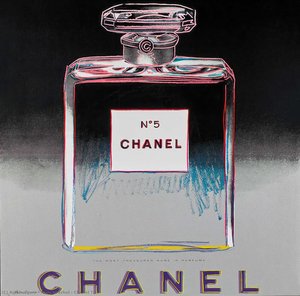
When a brand adopts the visual language of Pop Culture, it taps into a shared global literacy. Whether it is the vibrant, primary-colored precision of a Roy Lichtenstein or the electric, neon-lit energy reminiscent of Andy Warhol, these aesthetics do more than decorate; they communicate. They signal a brand that is culturally literate, energetic, and unafraid to engage with the zeitgeist. By utilizing imagery from advertising, comic strips, and mass media, designers can create an immediate emotional connection with guests who recognize these icons not as mere decorations, but as fragments of their own lived experiences.
From Subculture to Sophistication: Curating 'Geek-Chic' for Luxury Hospitality
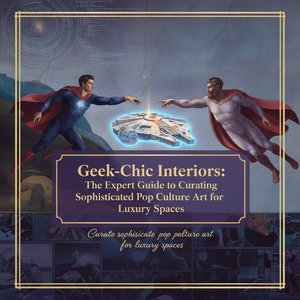
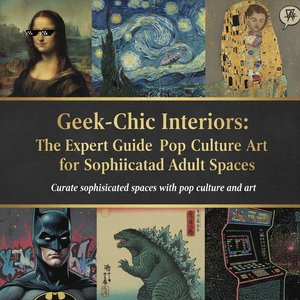
 Geek-Chic Interiors: The Definitive Guide to Curating Sophisticated Pop Culture Art for Luxury Spaces
The Evolution of Geek-Chic: From Subculture to High-End Curation Mastering Geek-Chic: The Art of Curating Sophisticated Interiors with Pop Culture Icons The Evolution of Geek-Chic: From Subculture to High-End Interior Design Geek-Chic Interiors: The ...
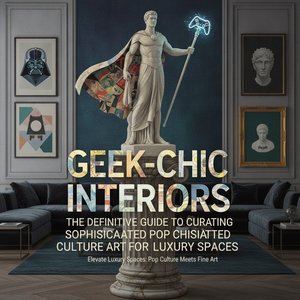
There was once a time when the artifacts of our most cherished narratives—the saturated panels of comic books or the bold graphics of mid-century animation—were relegated to the periphery of serious design. They were viewed as playful relics, far removed from the curated elegance required for a refined sanctuary. However, we are currently navigating a profound cultural metamorphosis known as Geek-Chic. This movement has bridged the gap between passionate fandom and high-end interior curation, allowing designers to weave contemporary mythologies into the very fabric of luxury spaces.
Mastering this aesthetic requires a delicate balance. It is not about the mere display of memorabilia, which can quickly descend into clutter; rather, it is about the elevation of graphic power. A sophisticated lounge might feature a meticulously rendered oil reproduction that utilizes Lichtenstein’s signature Ben-Day dot technique to transform a domestic scene into a profound commentary on consumerism. By treating pop culture icons with the same reverence as classical subjects, designers create environments that feel both nostalgic and cutting-edge, offering a sense of "intellectual play" that defines the modern luxury experience.
Visual Identity & Psychology: Using Bold Graphics to Drive Guest Engagement
Interior design psychology is a field within environmental psychology, which concerns the environmental conditions of the interior. It is a direct study of the relationship between an environment and how that environment affects the behavior of its i...
Interior design psychology teaches us that the environment directly dictates the behavior and well-being of its inhabitants. In high-traffic commercial spaces like cafés or gaming lounges, the goal is often to maximize engagement and stimulate sensory interest. Pop Art, with its inherent use of high-contrast colors and bold outlines, acts as a psychological anchor. The rhythmic repetition found in Warhol’s work or the striking, graphic clarity of modern digital art can guide the eye through a room, creating focal points that prevent a space from feeling stagnant.
Furthermore, the use of "reproducible" imagery—art that feels both iconic and accessible—fosters a sense of familiarity. This reduces the psychological barrier to entry in new spaces, making a hotel lobby feel welcoming yet prestigious. When a guest encounters a piece that celebrates the beauty of the everyday, it triggers a dopamine response rooted in recognition. This engagement is the foundation of brand loyalty; guests do not just visit a space, they inhabit a visual story that resonates with their personal identity and digital-age sensibilities.
Scale and Impact: Implementing Large-Format Murals, Multi-Panel Sets, and Ceiling Frescoes
 Interior design
Interior design is the art and science of enhancing the interior of a building to achieve a healthier and more aesthetically pleasing environment for the people using the space. With a keen eye for detail and a creative flair, an interior designer is...
To truly transform a commercial interior, one must move beyond the singular frame. The architectural potential of contemporary art lies in its ability to scale. For grand hotel lobbies or expansive gaming lounges, the implementation of large-format murals and ceiling frescoes can redefine the very volume of a room. These works, often painted on massive canvas rolls, allow designers to recreate historical grandeur—such as the breathtaking complexity of a Renaissance ceiling—but reimagined through a modern, graphic lens.
For more modular architectural needs, the Multi-Panel Trend offers an unparalleled way to command wide walls or staircases. By splitting a single, high-impact image across three, four, or five panels, the artwork becomes part of the architecture itself. This technique ensures that colors and brushstrokes flow seamlessly across the structural elements of the room, creating a cohesive, modern look that feels integrated rather than applied. Whether it is an expansive mural that wraps around a corner or a triptych that anchors a dining area, scale is the tool by which a designer asserts brand dominance.
The Bespoke Edge: Customizing Artworks to Match Brand Color Palettes and Interior Themes
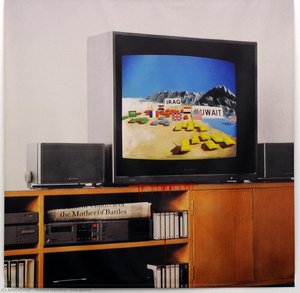
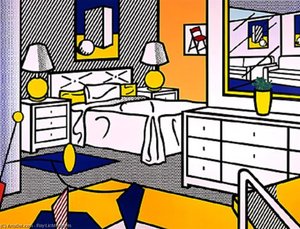 Interior with mobile
A Study in Domesticity: Roy Lichtenstein's "Interior with Mobile" Roy Lichtenstein’s 1992 painting, “Interior with Mobile,” offers a deceptively simple yet profoundly layered exploration of the American domestic landscape – a subject central to his P...
In the pursuit of true brand distinction, the ability to "remix" art history is essential. A truly bespoke space should never feel like an afterthought of pre-purchased decor. The modern designer has the power to request stylistic customizations that align perfectly with a property's specific color palette or seasonal theme. Imagine a classic portrait reimagined in the vibrant, impasto style of Van Gogh to match a high-energy lounge, or a contemporary photograph transformed into a 17th-century masterpiece through a "Period Shift" in the style of Rembrandt.
This level of customization extends to the very chemistry of the art. For long-term hospitality investments, the technical quality of the reproduction is paramount. Utilizing 100% hand-painted oils on cotton canvas provides a depth of tonal range and visible brushstroke texture that digital prints simply cannot replicate. This tactile depth—the way light catches the ridges of paint—adds a layer of luxury that guests can feel. By controlling everything from color matching to the addition of an aged, craquelure finish, designers can ensure that every piece of art is a bespoke extension of the brand’s DNA.
Strategic Implementation: Sourcing High-Impact Reproductions and Professional Art Consultations
 25 Iconic Roy Lichtenstein Masterpieces That Defined Pop Art
Introduction To step into the world of Roy Lichtenstein is to enter a vibrant, pulsating dialogue between high culture and the everyday pulse of the street. Imagine walking through a gallery where the boundaries between a museum masterpiece and a Sun...
Executing a large-scale design vision requires more than just an eye for beauty; it requires rigorous logistics and professional partnership. For hotel designers and corporate stakeholders, the challenge lies in sourcing high-impact pieces that meet museum-grade standards while adhering to project timelines. This is where the integration of professional art consultation becomes vital. Expert advisors can digitally "place" artworks onto photos of your specific walls, providing color analysis and composition mockups before a single brush touches canvas.
The strategic sourcing of hand-made reproductions allows for a level of flexibility that stock art cannot provide. From managing complex commissions involving group portraits to coordinating the global shipping of large-format rolls via DHL or FedEx, the process must be seamless. When the implementation is handled with professional precision—ensuring that every frame, from gold leaf to natural wood, complements the architectural intent—the result is more than just a decorated room. It is a curated, high-impact environment that stands as a testament to the power of contemporary visual storytelling.
For professionals seeking to elevate their next project with bespoke, high-impact art solutions, explore the curated collections and custom services at ArtsDot.com.