





The High Stakes of Impulse: Why Emotional Buying Leads to Financial Regret
 Navigating the Art Market: Mitigating Investment Risk Through Expert Consultation and Informed Acquisition Strategies
Understanding Art as an Alternative Asset: Risks & Rewards Wikipedia: Alternative investment An alternative investment, also known as an alternative asset or alternative investment fund (AIF), is an investment in any asset class excluding capital sto...
Entering the art market is often akin to a high-octane rush, an intoxicating surge of dopamine triggered by a sudden visual connection with a canvas. For the modern collector, that first encounter with a vibrant piece of street art or a striking abstract work can feel like destiny. However, there is a thin, dangerous line between passion and impulse. The very emotional pull that makes collecting meaningful—the way a splash of neon pink or a heavy, textured impasto stroke grabs your attention—is precisely where the most significant financial errors begin. When we buy solely on instinct, we bypass the critical evaluation of market cycles and long-scale value.
The art market operates without a central exchange or standardized pricing, making it a landscape where enthusiasm can easily mask a lack of due diligence. New collectors often find themselves chasing fleeting trends, purchasing works simply because they are being heavily promoted by galleries or trending on social media. This reactive approach ignores the fundamental reality that what is celebrated today may fall out of favor tomorrow. To build a collection that transcends a mere moment of excitement, one must learn to temper the initial emotional surge with a disciplined, long-term perspective, ensuring that every acquisition is backed by more than just a fleeting aesthetic preference.
Decoding Value: Navigating Authenticity, Provenance, and Market Trends
 Beyond the Canvas: A Modern Collector’s Guide to Investing in Abstract Art Reproductions – Navigating Value, Authenticity, and Personal Expression
Understanding Abstract Art: Movements, Key Artists & Value Drivers The allure of abstract art lies not in what it depicts, but in what it evokes – a realm beyond the literal, where color, form, and texture converge to express profound emotions and in...
To move from a casual buyer to a sophisticated collector, one must develop an eye for the invisible layers of a masterpiece: provenance and authenticity. In an era where digital reproduction is effortless, the true value of a work lies in its history and its verifiable origin. The concept of provenance—the documented trail of ownership—serves as the backbone of an artwork's legitimacy. Without it, even the most visually stunning piece remains a high-risk gamble. A discerning collector understands that verifying the lineage of a work is just as vital as admiring its color palette.
Furthermore, navigating value requires a shift in perspective when dealing with different movements. While traditional representational works might be anchored by recognizable subjects, assessing the worth of abstract or contemporary pieces demands an understanding of historical currents and artist reputations. The market is subject to shifts in taste influenced by critical acclaim and broader cultural movements. By focusing on artists who demonstrate technical mastery—such as those holding degrees from prestigious Fine Arts academies—and looking for works with a clear, documented history, collectors can mitigate the risks of volatility and build a foundation of enduring worth.
Beyond the Aesthetic: Integrating Art into Your Lifestyle and Interior Design
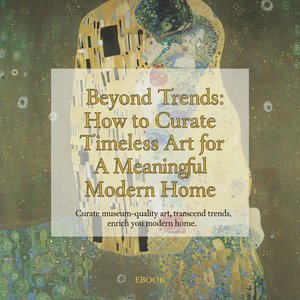 The Enduring Canvas: Emotional Resonance & Art Investment for Contemporary Interiors
The Psychology of Space: How Art Shapes Mood & Wellbeing Emotional Design Emotional Design is both the title of a book by Donald Norman and of the concept it represents. == Content == The main topic covered is how emotions have a crucial role in the ...
Art is never merely decoration; it is a fundamental expression of identity and a powerful tool for shaping the psychology of a space. The concept of emotional design suggests that the works we surround ourselves with profoundly influence our well-being, fostering creativity or promoting tranquility. A bold, high-impact piece of pop art can energize a contemporary urban loft, while cooler, more muted tones in an abstract work might cultivate focus in a professional studio. The true mastery of collecting lies in the ability to select pieces that resonate not just with your eyes, but with the very atmosphere you wish to inhabit.
This integration extends to the architectural scale of our lives. From large-format murals that transform luxury hotels into immersive experiences to custom ceiling frescoes that recreate historical grandeur, art has the power to redefine boundaries. When selecting works for a contemporary interior, consider how the texture, scale, and color palette interact with your existing environment. Whether it is a multi-panel set designed to flow across a wide staircase or a bespoke portrait that captures a personal milestone, the most successful collections are those that feel like an organic extension of the collector's lifestyle and architectural surroundings.
Strategic Acquisition: Leveraging Expert Consultations and Digital Mockups
The uncertainty of how a new acquisition will look in situ is one of the greatest barriers to confident collecting. This is where professional guidance transforms a risky purchase into a calculated success. Utilizing expert art consultations allows collectors to receive personalized proposals, including color analysis and digital placements that show exactly how a piece will interact with their specific walls. This removes the guesswork, allowing for a seamless integration of new works into an established collection.
Technological advancements have further revolutionized this process through professional digital mockup services. For complex commissions—such as group portraits that combine individuals from different photographs or custom color-matched pieces—the ability to review a composition before a single drop of oil touches the canvas is invaluable. This iterative process, where revisions are made until the vision is perfect, ensures that the final, hand-painted reality meets museum-grade expectations. By leveraging these tools, collectors can approach even the most ambitious custom projects with absolute certainty.
Diversifying Your Portfolio: The Role of Alternative Assets and Modern Reproductions
 Elevating Luxury Living: Why Murals Are Becoming a Premier Art Investment
The Rise of Art as an Asset: Understanding Alternative Investments Wikipedia: Alternative investment An alternative investment, also known as an alternative asset or alternative investment fund (AIF), is an investment in any asset class excluding cap...
In an era of economic uncertainty, art has emerged as a compelling alternative asset class. Unlike traditional stocks or bonds, exceptional artworks often exhibit low correlation with financial markets, providing a unique layer of diversification. High-quality pieces, particularly those with limited supply and enduring demand, can act as a hedge against inflation. However, the modern collector also recognizes the value in high-end reproductions and studio collectibles, which offer accessibility without sacrificing aesthetic impact.
Investing in hand-painted oil reproductions allows for the acquisition of profound beauty and historical significance at a more manageable entry point. These works, characterized by visible brushstrokes and deep tonal ranges, provide the tactile soul of an original painting while allowing collectors to explore various styles, from the vibrant energy of Pop Art to the luminous fields of Abstract Expressionism. By balancing high-value original acquisitions with strategically chosen, museum-quality reproductions, a collector can build a diverse, multi-layered portfolio that is both culturally rich and financially resilient.
The Collector's Safety Net: Verifying Quality, Longevity, and Artist Integrity
A collection is a legacy, and like any legacy, it requires protection. The longevity of an artwork depends heavily on the chemistry of its materials and the skill of its creator. True collectors look for the technical details that ensure permanence: the use of flexible gesso to prevent cracking, specific oils to prevent yellowing, and the application of protective varnishes to guard against environmental pollutants. When a work is 100% hand-painted on cotton canvas by artists with academic excellence, it ceases to be a mere object and becomes a durable piece of history.
Finally, the integrity of the marketplace is maintained through rigorous standards of curation and verification. Trust is built through transparency—whether through verified seller profiles, detailed shipping protocols using industrial-grade packaging, or clear satisfaction warranties. By prioritizing platforms that maintain high bars for artist entry and provide robust support for international logistics, collectors can navigate the global art market with peace of mind. Ultimately, the goal is to move beyond the uncertainty of the unknown and enter a realm of informed, confident, and enduring acquisition.