

The Gastronomic Stage: Why Interior Design is Your Secret Ingredient
 The Gastronomic Stage: Interior Design as Narrative Framework in the Contemporary Restaurant Experience
The Evolving Narrative: From Functional Space to Immersive Experience For centuries, the restaurant existed primarily as a practical necessity – a place to refuel. But the modern appetite extends far beyond sustenance; it craves connection, story, an...
In the modern era of hospitality, a restaurant has transcended its original purpose as a mere functional space for refueling. We have entered an age where dining is a performance, and the establishment itself serves as the stage upon which culinary stories are told. For the ambitious restaurant owner, the interior is not just a backdrop; it is a narrative framework that shapes how guests perceive every bite of food. When we speak of the gastronical stage, we refer to the intentional orchestration of atmosphere, lighting, and acoustics to create an immersive world. This transformation from a practical necessity to an experiential journey requires a deep understanding of how space influences emotion. A well-curated environment does more than please the eye; it fosters connection and builds a lasting memory that lingers long after the final course has been cleared.
The psychological impact of this presentation cannot be overstated. Recent advancements in behavioral psychology have illuminated how the aesthetic coherence of an interior space dictates success by influencing guest behavior and perceived value. When the visual elements—the textures of the walls, the weight of the furniture, and the energy of the art—align perfectly with the culinary offerings, it creates a sense of authenticity. This holistic approach ensures that the restaurant is not just a place to eat, but a destination that resonates on an emotional level, turning first-time visitors into loyal brand advocates.
Flavor Profiles & Color Palettes: Matching Visual Intensity to Your Menu
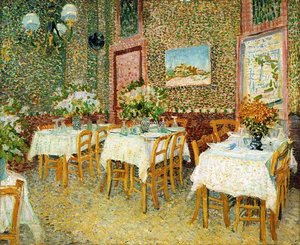 Interior of a Restaurant
Vincent van Gogh’s Intimate Glimpse: Exploring “Interior of a Restaurant” Vincent van Gogh's "Interior of a Restaurant," painted in 1887, isn’t merely a depiction of a dining room; it’s a vibrant snapshot of daily life filtered through the artist’s i...
Just as a chef balances acidity, fat, and salt to create a harmonious dish, a designer must balance color and intensity to match the restaurant's culinary flavor. There is a profound synergy between the palette of a menu and the palette of a room. Consider a high-energy bistro serving bold, spicy street food; this concept demands a visual punch—vibrant reds, deep ochres, or electric blues that mirror the heat and zest of the cuisine. In contrast, a fine-dining establishment focusing on delicate, seasonal ingredients might find its soul in more muted, sophisticated tones that allow the subtle nuances of the food to take center stage.
From Street Art to Surrealism: Selecting the Right Movement for Your Concept
 anthony preston hillier
Anthony Preston Hillier: A Seattle Icon of Culinary Art and Surreal Vision Anthony Preston Hillier, a name perhaps less familiar to the general public than some culinary giants, nevertheless stands as a towering figure in the history of Seattle’s din...
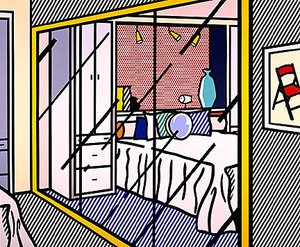
Choosing an art movement is akin to choosing a signature ingredient; it defines the entire character of your brand. For those leaning into urban, high-impact aesthetics, Pop Art and street art offer a way to communicate modern, culturally literate values instantly. This style—reminiscent of the punchy energy of Lichtenstein or the iconic repetition of Warhol—works brilliantly for fast-casual concepts or trendy brunch spots that want to feel connected to the pulse of the city. It is visual shorthand for something fresh, accessible, and undeniably cool.
Conversely, if your concept leans toward the mysterious or the avant-garde, exploring surrealism or abstract works can provide a sense of depth and intrigue. Much like the culinary legacy of figures such as Anthony Preston Hillier, who fused his passion for Pacific Northwest cuisine with a surrealist artistic vision, your restaurant can become a living, breathing work of art. Whether it is the structured geometry of an abstract piece or the dreamlike imagery of a surrealist canvas, the movement you choose acts as the visual language of your brand's ethos, communicating what words often cannot.
Strategic Curation: Using Murals and Large-Format Art to Drive Social Media Buzz
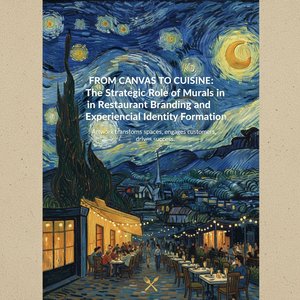 From Canvas to Cuisine: The Strategic Role of Murals in Restaurant Branding and Experiential Identity Formation
The Mural Renaissance: Why Restaurants Are Investing in Experiential Art Beyond Aesthetic Appeal: Strategic Art Collections for Modern Hospitality Brand Narratives Discover how strategic art curation elevates hospitality brands & enhances guest exper...
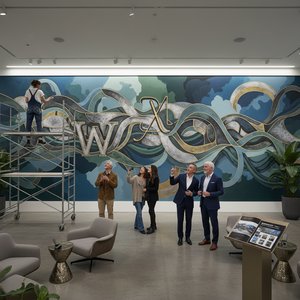
In an era dominated by digital storytelling, the strategic use of large-format art is a powerful tool for experiential branding. We are currently witnessing a mural renaissance within the hospitality industry. A custom mural is far more than decoration; it is a sophisticated investment in identity formation. A well-executed, large-scale piece serves as a focal point that invites engagement, turning a plain wall into an "Instagrammable" moment that drives organic social media marketing. These works act as visual anchors, creating a unique sense of place that differentiates your establishment from the generic, cookie-cutter dining spaces that saturate the market.
This strategy extends to architectural elements like ceiling frescoes or multi-panel group sets. Utilizing multi-panel paintings—where a single image is split across three, four, or five canvases—allows for a modern, architectural look that can wrap around wide walls or staircases, creating a seamless flow of color and movement. This level of curation transforms the physical structure of the restaurant into a canvas for storytelling, ensuring that every corner of the space offers a new discovery for the discerning diner.
The Psychology of Presentation: How Art Elevates Perceived Value
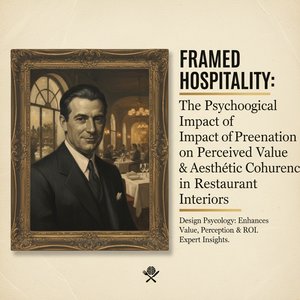 Framed Hospitality: The Psychological Impact of Presentation on Perceived Value & Aesthetic Coherence in Restaurant Interiors
Introduction: The Holistic Dining Experience – Beyond Taste The modern diner is not merely seeking sustenance; they crave an experience, a carefully constructed narrative woven from atmosphere, service, and, crucially, design. For decades, the restau...
The way food is presented on a plate is only one part of the sensory equation. The surrounding environment provides the context in which that presentation is judged. When a guest sits in a space adorned with high-quality, textured oil paintings, their perception of the meal's value shifts. The tactile depth of hand-painted reproductions—with visible brushstrokes and a rich tonal range—conveys a sense of craftsmanship and luxury that mirrors the care taken in the kitchen. This aesthetic coherence creates a "halo effect," where the quality of the art elevates the perceived quality of the service and the cuisine.
This is about creating an emotional journey. When the textures of the room, such as the heavy impasto of a custom canvas or the smooth finish of a modern print, complement the textures of the food, the dining experience becomes truly immersive. It moves from being a simple transaction to a curated event. By investing in art that reflects the soul of your kitchen, you are essentially framing your hospitality, providing a premium context that justifies the investment and leaves a lasting impression on the guest's psyche.
Executing the Vision: Custom Commissions and Seamless Integration
Bringing such a bold vision to life requires more than just an eye for design; it requires precise execution. For the restaurant owner, the challenge lies in the logistics of customization. This is where the ability to "remix" art history becomes invaluable. Imagine being able to take a modern photograph of your signature dish or a group of staff members and having it transformed into a masterpiece in the style of Van Gogh or Monet. This level of bespoke creation allows for a truly personalized brand narrative.
The process of professional integration involves everything from digital mockups—allowing you to see how a composition will look on your specific wall before a single drop of paint touches the canvas—to custom framing and engineering. Whether it is a large-format mural rolled on industrial tubes for global shipping or a complex multi-panel set designed to fit a specific architectural feature, the goal is seamlessness. With expert consultation and a focus on high-impact, vivid works, you can ensure that your restaurant's visual identity is as unforgettable as its menu, creating a legacy of taste and beauty that stands the test of time.