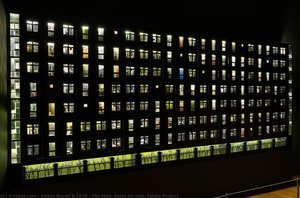

The New Asset Class: Murals as Tangible Alternative Investments
 Elevating Luxury Living: Why Murals Are Becoming a Premier Art Investment
The Rise of Art as an Asset: Understanding Alternative Investments Wikipedia: Alternative investment An alternative investment, also known as an alternative asset or alternative investment fund (AIF), is an investment in any asset class excluding cap...
In the sophisticated landscape of modern wealth management, the definition of a robust portfolio is undergoing a profound metamorphosis. While traditionalists may still look toward the predictable rhythms of equities and bonds, the contemporary connoisseur is increasingly turning their gaze toward alternative investments—tangible assets that offer a unique hedge against market volatility. Art has long occupied this prestigious tier, but we are witnessing a specific, high-impact evolution: the rise of the mural as a strategic capital asset. Unlike a canvas that can be easily moved or liquidated, a meticulously commissioned mural integrates itself into the very fabric of a property, creating a permanent, value-adding layer of distinction.
The allure of this medium lies in its low correlation with traditional financial markets. As inflation pressures erode the purchasing power of fiat currency, high-quality, large-scale artworks serve as stable repositories of value. A mural is not merely an aesthetic choice; it is a monumental commitment to the property's intrinsic worth. For the luxury real estate investor, these works represent a convergence of cultural capital and financial foresight, transforming a structural element into a rare, non-fungible component of the real estate itself.
Beyond Decoration: Creating Immersive Brand Identity through Large-Scale Art
Street art is visual art created in public locations for public visibility. It has been associated with the terms "independent art", "post-graffiti", "neo-graffiti" and guerrilla art. Street art has evolved from the early forms of defiant graffiti in...
To view a mural as mere ornamentation is to fundamentally misunderstand the psychology of luxury. In the realm of high-end hospitality and premier residential developments, the goal is no longer just to provide shelter or service, than to curate an experience. We are moving away from the era of passive backdrops and into an age of immersive environments. A well-executed mural acts as a powerful tool for storytelling, allowing a property to communicate its ethos without uttering a single word. Whether it is the bold, graphic energy of street art or the sophisticated precision of geometric abstraction, large-scale art defines the atmosphere.
For luxury hotels and commercial estates, this visual narrative is essential for brand identity. A mural can evoke a sense of place, connecting an urban penthouse to its historical roots or transporting a desert resort into a lush, botanical dreamscape. This level of personalization creates a profound emotional resonance with discerning clientele, fostering a sense of exclusivity and connection that standardized decor simply cannot achieve. When the walls themselves participate in the brand's dialogue, the space ceases to be a commodity and becomes a destination.
Architectural Transformation: From Passive Walls to Narrative Canvases
 From Jungle Scenes to Gold Leaf Geometry: A Guide to Today's Most Requested Mural Styles
The Resurgence of Mural Art: Why Walls Are Talking For decades, walls were simply structural elements – passive backdrops to our lives. Today, they're canvases for powerful storytelling and transformative design. The resurgence of mural art isn’t a f...
For decades, the walls of our most prestigious structures were treated as silent, structural necessities—passive boundaries designed only to enclose space. However, a fundamental shift in architectural perception is underway. Today, we recognize that these surfaces are the ultimate canvases for transformative design. The resurgence of mural art represents a reclamation of space, where the boundary between architecture and fine art becomes beautifully blurred. This movement turns every corridor, foyer, and grand hall into a stage for narrative progression.
This transformation is achieved through the strategic use of scale and composition. When an artwork spans multiple meters, it commands the viewer's entire field of vision, forcing a reevaluation of the room's proportions and light. The interplay between the physical texture of the wall and the artist's brushwork creates a dynamic tension that breathes life into even the most minimalist modern architecture. By treating walls as narrative canvases, architects and designers can manipulate the perceived energy of a space, turning a cold, concrete expanse into a warm, inviting masterpiece of human expression.
Curating the Aesthetic: Selecting Styles from Geometric Abstraction to Botanical Escapes
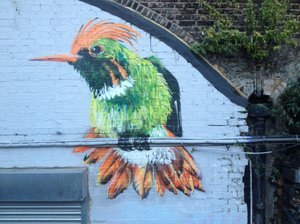 Mural by Masai
Explore Louis Michel’s vibrant mural of a hummingbird! This colorful street art piece, featuring plush toy-inspired details, raises environmental awareness. Discover its urban setting & unique style.
The curation of a mural requires a discerning eye for how style interacts with light, volume, and intent. The contemporary palette is incredibly diverse, offering a spectrum of moods that can be tailored to any architectural vision. For those seeking a sleek, modern, and highly structured aesthetic, geometric abstraction offers unparalleled precision. Utilizing sharp lines, mathematical patterns, and often metallic accents like gold leaf, these works lend an air of sophisticated modernity and order to contemporary penthouses and corporate headquarters.
Conversely, for spaces designed as sanctuaries of wellness and tranquility, the trend leans toward botanical escapes. These murals bring the organic world indoors, utilizing deep greens, earthy ochres, and hyper-realistic depictions of tropical flora to create a sense of serenity and biophilic connection. This style is particularly effective in spa environments or residential master suites, where the goal is to promote well-being through a simulated connection to nature. From the high-energy, pop-culture-infused aesthetics of street art to the quiet elegance of abstract landscapes, the choice of style is the primary driver of the space's emotional temperature.
Maximizing Property Value: The ROI of Bespoke Visual Storytelling
Ultimately, the decision to invest in large-scale mural art must be viewed through the lens of long-term value appreciation. In the competitive luxury real estate market, differentiation is the highest currency. A property adorned with bespoke, high-impact art stands significantly apart from its peers, creating a "wow factor" that is essential for both prestige and marketability. This visual distinction acts as a powerful marketing tool, driving engagement and elevating the perceived value of the entire development.
The return on investment (ROI) for such an endeavor is found in the increased desirability of the asset. A property with a unique, commissioned history becomes much more than real estate; it becomes a collectible object. As appraisers and collectors increasingly recognize the value of integrated art, the presence of high-quality murals can justify premium pricing and accelerate sales or lease cycles. By investing in bespoke visual storytelling, owners are not just decorating a building—they are engineering an incomparable legacy that pays dividends in both cultural prestige and financial performance.
At ArtsDot.com, we specialize in bringing these grand visions to life. From the meticulous execution of large-format murals to the creation of breathtaking architectural frescoes, our mission is to make world-class art an integral part of your environment. Whether you are looking to transform a private estate or elevate a commercial landmark, our master artists provide the expertise and craftsmanship required to turn any wall into a masterpiece of investment-grade art.