The Baroque Earthquake: Mastering Drama, Chiaroscuro, and Divine Intensity
 Chiaroscuro
In art, chiaroscuro (English: kee-AR-ə-SKOOR-oh, -SKURE-, Italian: [ˌkjaroˈskuːro]; lit. 'light-dark') is the use of strong contrasts between light and dark, usually bold contrasts affecting a whole composition. It is also a technical term used by a...
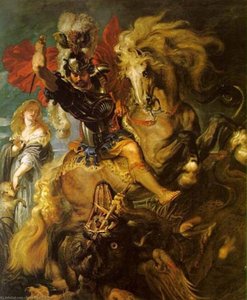
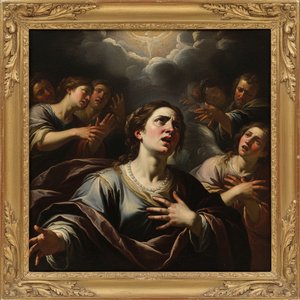
To step into the world of the Baroque is to surrender oneself to a sensory whirlwind, a profound departure from the tranquil, balanced harmonies that defined the Renaissance. Emerging at the dawn of the 17th century, this movement was far more than a mere stylistic shift; it was a seismic cultural earthquake that reshaped the very fabric of art, architecture, and music. Born amidst the religious fervor of the Counter-Reformation, the Baroque served as a powerful visual instrument for the Catholic Church, designed to reassert divine authority through overwhelming spectacle and raw emotional intensity. There is no stillness here; even in the most solemn religious subjects, there is an inherent dynamism, a sense that figures are caught in a moment of eternal transition, forever suspended in a state of spiritual or physical tension.
The heartbeat of this era lies in its mastery of
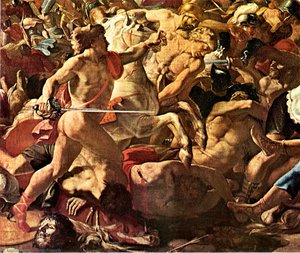
chiaroscuro—the profound and dramatic interplay between deep, impenetrable shadows and piercing, brilliant light. This technique allowed masters to sculpt figures out of darkness, imbuing every scene with a visceral, cinematic immediacy. When we gaze upon works like Giovanni Baglione’s
Judith and Holofernes, we witness the perfection of this method. The painting is a dramatic distillation of biblical narrative into visual splendor, utilizing light to highlight the courage of the heroine against a backdrop of shadow. This use of light was not merely decorative; it was a tool for psychological depth, creating a sense of volume and weight that made the divine feel tangibly present within the human realm.
Rococo Radiance: The Shift Toward Pastel Grace and Playful Ornamentation
 gabriel-germain boffrand
Gabriel Germain Boffrand: Bridging Baroque and Rococo’s Legacy Gabriel Germain Boffrand (1667-1754) stands as a pivotal figure in French art history, marking the transition between the grandeur of Baroque architecture and the playful exuberance of Ro...
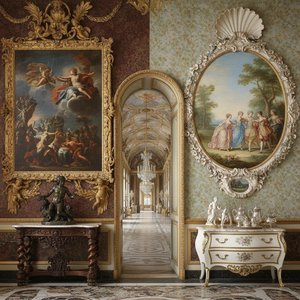
As the heavy, dramatic clouds of the Baroque era began to disperse, they gave way to the luminous, airy brilliance of the Rococo. If the Baroque was a thunderclap of divine power, the Rococo was the soft, shimmering light of a summer morning. Moving into the 18th century, the artistic focus shifted from the monumental and the religious toward the intimate, the decorative, and the delightful. This new aesthetic embraced a world of delicate curves, pastel palettes, and an obsession with illusionistic decoration that sought to charm rather than overwhelm. The heavy shadows that once defined the canvas were replaced by a soft, pearlescent glow, and the intense emotional struggles of saints were traded for the playful escapades of the aristocracy.
This period saw the rise of artists like Gabriel Germain Boffrand, who acted as a bridge between the two eras, inheriting the Baroque emphasis on scale while embracing the burgeoning Rocendo sensibility of light-drenched elegance. The Rococo aesthetic is characterized by an intricate, almost dizzying level of detail—think of gold leaf, swirling stucco, and organic forms that mimic the natural world. It was an era of
grace rather than grandeur, where the goal was to create spaces and canvases that felt like a continuous, flowing celebration of beauty and leisure. The heavy textures of the previous century softened into silk-like brushstrokes and shimmering surfaces, creating an atmosphere of pure, unadulterated enchantment.
A Tale of Two Eras: Comparing Compositional Tension and Emotional Depth
 Drama & Delight: A Journey Through the Grandeur of Baroque and Rococo Art
The Baroque Earthquake: Embracing Drama, Light, and Divine Grandeur Baroque vs. Rococo: A Definitive Guide to the Drama of Grandeur and the Elegance of Grace The Baroque Era: A Symphony of Drama, Light, and Divine Grandeur Baroque Masterpieces: 10 Pa...
The transition from Baroque to Rococo represents one of the most fascinating psychological shifts in art history. In the Baroque period, composition was often built upon tension and conflict. Artists utilized diagonal lines and asymmetrical arrangements to create a sense of movement and instability, forcing the viewer’s eye to dance across the canvas in search of resolution. The emotional depth found here is profound and often unsettling; it explores themes of martyrdom, heroism, and the raw reality of human suffering. There is a weight to Baroque art, a gravity that demands respect and evokes awe through its depiction of the monumental and the miraculous.
In contrast, Rococo composition seeks harmony through lightness. The tension of the diagonal is replaced by the fluid grace of the
S-curve and the delicate swirl. While the Baroque sought to move the soul through fear and reverence, the Rociente sought to delight the senses through charm and wit. The emotional landscape of the Rococo is much shallower, yet infinitely more sophisticated in its nuance; it captures the fleeting moment, the blush on a cheek, or the playful glance between lovers. It is an art of the ephemeral, focusing on the beauty of the present moment rather than the eternal struggle of the spirit.
Architectural Echoes: From Monumental Grandeur to Intricate Decorative Detail
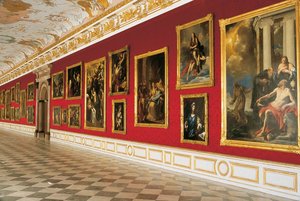 Staatsgalerie Schleissheim
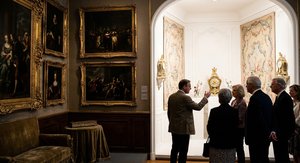
A Baroque Masterpiece: The Soul of Schleissheim Nestled within the breathtaking grandeur of the New Schleißheim Palace near Munich, the Staatsgalerie Schleissheim offers far more than a mere viewing of canvases; it provides an immersive descent into ...
The architectural manifestations of these two styles provide a physical map of their differing philosophies. Baroque architecture is defined by its soaring ambition and massive scale. Structures like the New Schleißheim Palace or the Palazzo Barberini in Rome embody the era's preoccupation with power and permanence. These buildings utilize heavy stone, dramatic façades with projecting elements, and large-scale frescoes to create an immersive experience of divine and papal authority. The architecture itself is a stage for drama, designed to make the individual feel small in the face of such overwhelming grandeur.
Rococo architecture, however, moves inward, focusing on the exquisite detail of interiors. The focus shifted from the external façade to the internal
ornamentation. In Rococo spaces, walls seem to dissolve into intricate stucco work, mirrors, and delicate paintings that blur the line between structure and decoration. The heavy, muscular columns of the Baroque are replaced by slender, elegant pilasters and organic, shell-like motifs (the very origin of the word
rocaille). It is an architecture of intimacy, designed for the salon and the private boudoir, where every corner offers a new, intricate delight to be discovered.
The Evolution of Light: Transitioning from Tenebrism to Golden Glitz
 From Grandeur to Grace: Exploring the Evolution of Baroque & Rococo Art
The Baroque: A Dramatic Response to Renaissance Order Wikipedia: Baroque The Baroque (UK: bə-ROK, US: bə-ROHK, French: [baʁɔk]) is a Western style of architecture, music, dance, painting, sculpture, poetry, and other arts that flourished from the ear...
Ultimately, the most striking way to track the evolution from Baroque to Rococo is through the changing nature of light itself. The Baroque era perfected
tenebrism—an extreme form of chiaroscuro where darkness becomes a dominant character in the composition. This light is directional, harsh, and purposeful; it acts like a spotlight on a dark stage, isolating subjects and heightening the drama of the scene. It is a light that reveals truth through contrast, stripping away the unnecessary to focus on the essential struggle of the subject.
As we move into the Rococo, this spotlight fades into a pervasive, golden glow. Light no longer strikes from a single, dramatic source; instead, it seems to emanate from the very atmosphere itself. The shadows are no longer deep or impenetrable but are instead soft, tinted with blues, pinks, and creams. This is the era of "golden glitz," where light reflects off gilded surfaces and silk drapery to create a sense of continuous, shimmering radiance. The transition marks a move from the light of revelation to the light of illumination—from a tool used to uncover the divine to an element used to celebrate the beautiful.
At
ArtsDot.com, we celebrate this entire spectrum of human creativity. Whether you are drawn to the intense, muscular shadows of a Baroque masterpiece or the delicate, pastel elegance of a Rococo treasure, our mission is to make these profound historical moments accessible to your modern space. From hand-painted oil reproductions that capture every thick brushstroke of the masters to custom commissions that allow you to reimagine history through your own lens, we bring the grandeur of the past into the heart of the present.