The Alchemy of Pigment: Understanding the Soul of Oil on Canvas
 The Timeless Magic of Oil on Canvas: A Masterclass in Texture, Depth, and Impasto Artistry
The Alchemy of Pigment: Understanding the Soul of Oil on Canvas To behold a true oil painting is to witness a slow, deliberate alchemy where earth and light converge upon a woven surface. Unlike the ephemeral nature of digital imagery or the flat uni...
To behold a true oil painting is to witness a slow, deliberate alchemy where earth and light converge upon a woven surface. Unlike the ephemeral nature of digital imagery or the flat uniformity of modern prints, oil on canvas possesses a biological rhythm—a breathing quality born from the marriage of linseed oils and mineral pigments. This medium has long been the preferred vessel for the masters, not merely for its versatility, but for its capacity to hold time itself within its translucent layers. When an artist applies pigment, they are not simply coloring a surface; they are building a history of light.
The chemistry involved is a testament to meticulous care and a pursuit of permanence. The use of specific oils, such as safflower, ensures that whites remain pristine and free from the dreaded yellowing of age, while the addition of resins can create a protective varnish that shields the work from the elements. As these layers dry over weeks and months, they settle into a complex architecture of color. For the discerning enthusiast, the allure lies in this subtle complexity, where a single shade of forest green might contain hidden hints of ultramarine and burnt umiment, waiting to be discovered by a wandering eye that understands the depth of the medium.
Tactile Narratives: The Power of Impasto and Visible Brushwork
 Impasto
Impasto is a technique used in painting where paint is laid on an area of the surface thickly, usually thick enough that the brush or painting-knife strokes are visible. Paint can also be mixed right on the canvas. When dry, impasto provides texture;...
Beyond the visual lies the tactile, a dimension of art that invites the viewer to feel the movement of the artist’s hand. This is most profoundly expressed through
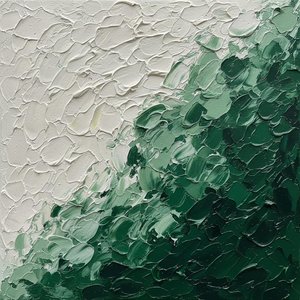
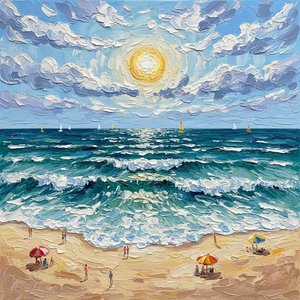
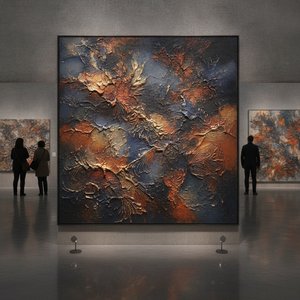
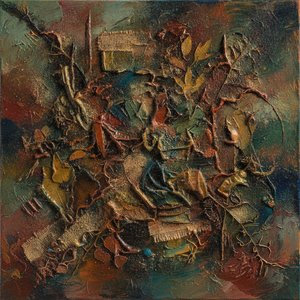
impasto, a technique where paint is laid on an area of the surface thickly, often enough that the brush or palette knife strokes remain visible and sculptural. In an impasto work, the canvas ceases to be a flat plane and becomes a topographical map of emotion. One might observe a textured magnolia bloom where the white petals are physically lifted from the surface, or a dramatic sky where the energy of each stroke creates a sense of motion that no digital print could ever replicate.
This technique provides a physical presence that commands attention in any modern interior. When paint is applied with such generosity, it catches the light beautifully, creating shadows within the ridges of the paint itself. This interplay of light and shadow adds a three-dimensional quality to the artwork, making the piece feel alive and dynamic. Whether it is the thick, energetic swirls found in an abstract expressionist masterpiece or the romantic, textured domesticity of a Victorian scene, the visible brushstroke serves as a permanent record of the artist's physical engagement with their medium, offering a soulfulness that mass-produced art lacks.
Layers of Light: The Science of Glazing and Translucent Depth
Glaze (painting technique)A glaze is a thin transparent or semi-transparent layer on a painting which modifies the appearance of the underlying paint layer. Glazes can change the chroma, value, hue and texture of a surface. Glazes consist of a great amount of binding medium i...
While impasto provides the structure, the technique of
glazing provides the luminosity. A glaze is a thin, transparent or semi-transparent layer applied over a dried paint film to modify its appearance. These layers act as windows, allowing light to penetrate deep into the paint film and reflect back through the colors, creating a glow that seems to emanately from within the canvas itself. This process allows for an incredible range of tonal depth, enabling artists to shift the chroma, value, and hue of the underlying layers with surgical precision.
This layering process is what separates a mere depiction from a true masterpiece. By building up multiple translucent veils of color, the artist achieves a richness and density that is impossible through single-layer application. For the collector, this means the artwork possesses a shifting character; as the light in a room changes throughout the day, the glazes react, revealing new depths and subtle shifts in temperature. It is this luminous depth—this ability to capture and hold light—that gives oil paintings their legendary, ethereal quality.
Beyond the Surface: Choosing Between Canvas, Panel, and Experimental Supports
 The Timeless Charm of Oil on Board: Reimagining Texture and Light through the Impressionist Lens
The Soul of the Surface: Finding Intimacy in Oil on Panel The Timeless Beauty of Oil on Panel: Capturing Light and Texture through the Impressionist Lens The Soul of the Surface: Understanding the Intimacy of Oil on Panel There is a profound, quiet i...
The choice of support is never merely a matter of convenience; it is an aesthetic decision that dictates the very soul of the work. While canvas has long been the industry standard due to its rhythmic flexibility and expansive reach, there is a profound, quiet intimacy found when one gazates upon an oil painting executed on
panel. The rigid, unyielding nature of wood or board provides a stage for a different kind of truth. It invites a closer encounter, a way to lean in and witness the artist’s breath caught in the pigment, offering a concentrated energy that draws the viewer into its personal orbit.
In contemporary practice, we see even more radical material experimentation. Some artists move beyond traditional pigments to embrace the visceral essence of industrial materials, such as the use of recycled engine oil to explore themes of heritage and modernity. Others utilize copper or glass, pushing the boundaries of what a "painting" can be. For the modern collector, understanding these supports is essential; whether you seek the grand, sweeping presence of a large-scale canvas for a hotel lobby or the intimate, steadfast truth of an oil on panel for a private study, the foundation determines the impact.
Preserving the Masterpiece: Chemistry, Varnish, and Long-Term Care for Collectors
 Oil painting
Oil painting is a painting method involving the procedure of painting with pigments combined with a drying oil as the binder. It has been the most common technique for artistic painting on canvas, wood panel, or copper for several centuries. The adva...
To protect a significant investment in fine art, one must understand the chemistry of preservation. A well-executed oil painting is built to last generations, provided it is treated with the respect its complexity deserves. The use of flexible gesso prevents cracking during the natural expansion and contraction of the support, while a final coat of
Damar varnish protects the surface from dust, moisture, and atmospheric pollutants. This protective layer also serves to unify the sheen across the various textures of the painting, from smooth glazes to heavy impasto.
For the collector, long-term care involves simple yet disciplined habits. To maintain vibrancy, avoid placing works in direct sunlight or environments with excessive humidity. When cleaning, a gentle dusting with a soft, dry cloth is all that is required. For those acquiring prints or giclées, using acid-free matting to create an air gap between the art and the glass is vital to prevent moisture damage. By respecting the delicate balance of oils and pigments, you ensure that the light captured by the artist today remains just as brilliant for decades to come.
This article was originally published on ArtsDot.com.