

The Power of Scale: Using Large-Format Art to Anchor Grand Lobbies
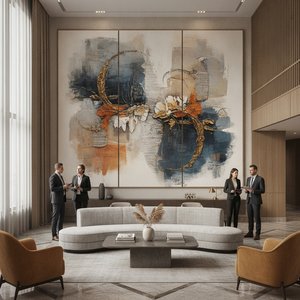 Contemporary Abstract Painting: A Professional Buyer's Guide to Modern Textures and Large-Scale Styles for Hospitality Interiors
Defining Contemporary Abstraction: Selecting Between Geometric Precision and Emotional Expression Contemporary Abstract Art: A Professional Buyer's Guide to Large-Scale Modern Decor for Hospitality and Corporate Interiors Defining Contemporary Abstra...
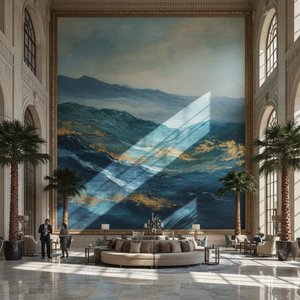
In the high-stakes arena of luxury hospitality, the first few seconds of a guest's arrival dictate their entire perception of prestige. As a designer, you understand that a lobby is not merely a transit point but a stage for brand storytelling. When faced with the daunting expanse of a monumental wall, the instinctual response might be to fill it with smaller, fragmented pieces; however, true architectural authority is achieved through the strategic use of scale. A single, commanding large-scale artwork acts as a visual anchor, grounding the soaring ceilings and vast floor plans that define modern luxury. This is not about mere decoration, but about creating a focal point that commands attention and directs the eye, establishing an immediate sense of permanence and grandeur.
The impact of such scale lies in its ability to manipulate the viewer's perception of space. A massive abstract canvas or a sweeping multi-panel set can effectively shrink a cavernous hall into something more intimate and curated, or conversely, expand the perceived boundaries of a room by introducing deep, receding perspectives. By selecting works that possess substantial physical presence, you provide the architectural shell with a soul, transforming an empty volume into an immersive environment. This strategic anchoring ensures that the lobby does not feel hollow, but rather intentional, sophisticated, and deeply curated.
Beyond the Frame: Integrating Sculptural Elements and 3D Textures
 Rose Gold Abstract Stainless Steel Wall Sculpture - 290cm
A Statement in Sculptural Form This striking abstract sculpture commands attention with its dynamic composition of flowing shapes and curves rendered in polished stainless steel. Designed as a captivating focal point, this piece transcends mere decor...
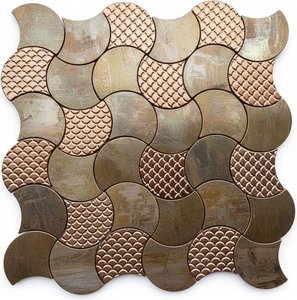
To truly transcend the traditional boundaries of interior design, one must look beyond the flat plane of the canvas. The modern traveler seeks sensory richness—a phenomenon often referred to as architectural atmosphere, where the mood is shaped through the tactile and the palpable. Incorporating three-dimensional elements, such as abstract stainless steel wall sculptures or textured plaster works, introduces a layer of complexity that two-dimensional art alone cannot achieve. Imagine a rose gold electroplated sculpture, its flowing curves catching the ambient light of a chandelier, creating a dynamic interplay of shadow and reflection that changes as one moves through the space.
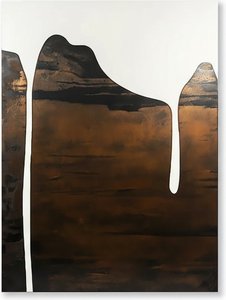
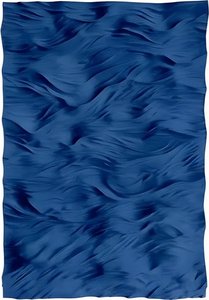
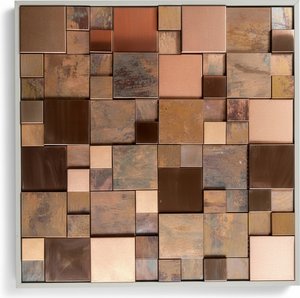
These sculptural interventions introduce a physical depth that engages the guest on a primal level. Textured abstract pieces, utilizing cylindrical forms or heavy impasto techniques, invite closer inspection and tactile curiosity. This movement toward "sculptural painting" and integrated wall art allows the designer to manipulate light and shadow as much as color and form. When these elements are seamlessly woven into the interior architecture, they cease to be mere objects hanging on a wall and instead become integral components of the building's very skin, fostering a sense of well-being and harmony through their profound physical presence.
The Neo-Abstract Surge: Leveraging Bold Geometry for Brand Identity
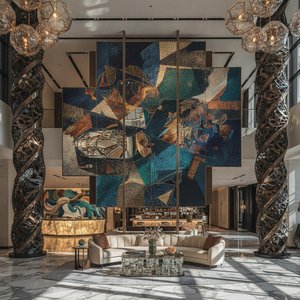 Bold Distortion: A Trend Forecast for Impactful Abstract Art in Luxury Commercial and Hotel Interiors
The Neo-Abstract Surge: Defining the Bold Distortion Trend in Hospitality Neo-Abstract Art Trend Forecast: High-Impact Geometric Compositions for Contemporary Commercial Interiors The Neo-Abstract Surge: Redefining Visual Energy in Modern Hospitality...
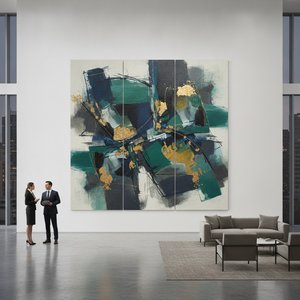
We are currently witnessing a significant shift in the visual language of luxury interiors, characterized by what many call the "Neo-Abstract Surge." This movement rejects the literalism of representational landscapes in favor of high-impact geometric compositions. For the hospitality professional, this trend offers an unparalleled tool for establishing brand identity. Geometric abstraction—rooted in the intellectual rigor of artists like Sol LeWitt—utilizes lines, planes, and volumes to create a sense of universal order and stability. In a corporate or luxury hotel setting, these clean, decisive shapes communicate clarity, precision, and modern sophistication.
This "Bold Distortion" trend is particularly effective in creating a sense of movement and life within static corridors and lounges. By utilizing energetic compositions that guide the guest's flow through the space, designers can use art to subtly direct navigation and energy. Whether it is the mathematical purity of a minimalist grid or the more aggressive, high-energy lines of contemporary graphic works, geometric abstraction provides a non-objective vocabulary that resonates with the modern traveler’s desire for unique, curated experiences. It is a way to move away from static imagery toward a visual identity that feels alive and perpetually evolving.
Strategic Color & Light: Curating Visual Energy through Abstract Expressionism
Abstract expressionism in the United States emerged as a distinct art movement in the aftermath of World War II and gained mainstream acceptance in the 1950s, a shift from the American social realism of the 1930s influenced by the Great Depression an...
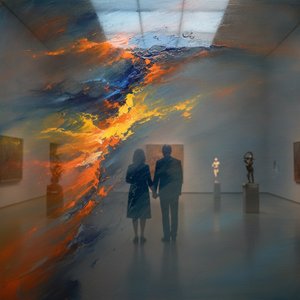
While geometry provides structure, the emotional heartbeat of a space is found in color and light. The tradition of Abstract Expressionism offers a spectrum of human experience that can be strategically deployed to define the "affective atmosphere" of different hotel zones. In a high-energy lounge or a vibrant cocktail bar, one might look toward the visceral, uninhibited energy of works inspired by the New York School—utilizing spontaneous brushwork and monumental scales to invite a primal connection. Conversely, in a contemplative library or a serene spa, the designer can pivot toward more subdued, tonal variations that evoke calm and introspection.
The strategic use of color is not merely an aesthetic choice but a psychological one. Deep, saturated hues can create intimacy and warmth, while lighter, airy palettes can expand a space and promote a sense of freshness. When working with high-quality oil reproductions, the depth of the pigment and the visible texture of the brushstrokes allow for a much richer tonal range than standard prints. This allows the designer to manipulate the "temperature" of a room, using art to modulate the light and energy levels, ensuring that every corner of the property serves its intended emotional purpose.
Architectural Continuity: Custom Murals, Multi-Panel Sets, and Ceiling Frescoes
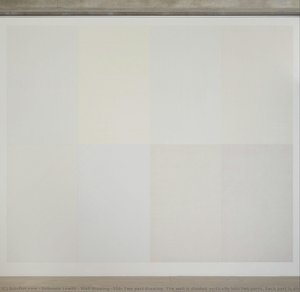 Wall drawing #338: Two part drawing. The wall is divided vertically into two parts. Each part is divided horizontally and vertically into four equal parts. 1st part: Lines in four directions, one direction in each quarter. 2nd part: Lines in four dir....
Sol LeWitt’s Wall Drawings: A Blueprint for Conceptual Minimalism The wall drawing “Wall Drawing #338” embodies the core tenets of Solomon Lewitt's groundbreaking artistic philosophy—a movement that irrevocably altered the landscape of 20th-century a...
For the most ambitious architectural projects, the distinction between art and architecture should ideally disappear. Large-format murals and ceiling frescoes represent the pinnacle of bespoke design, allowing for a total immersion in a curated vision. These works, often painted on massive canvas rolls, can be installed with the precision of high-end wallpaper, enabling designers to recreate historical grandeur—such as the breathtaking ceilings of the Renaissance—within a contemporary context. This level of customization allows for an unbroken narrative that flows across walls and even onto ceilings, enveloping the guest in a singular, cohesive world.
Furthermore, the "Multi-Panel" trend offers a sophisticated way to address wide expansies like staircases or long corridors. By splitting a single, powerful image across three, four, or five panels, you create a rhythmic, architectural cadence that breaks up the monotony of large surfaces while maintaining the integrity of the composition. This technique provides a modern, fragmented elegance that feels both structural and artistic. Whether through a singular, massive mural or a meticulously engineered multi-panel installation, these large-scale solutions ensure that the art is not just placed within the space, but is an inseparable part of its very architecture.
The Designer’s Toolkit: Bespoke Commissions and Professional Art Integration
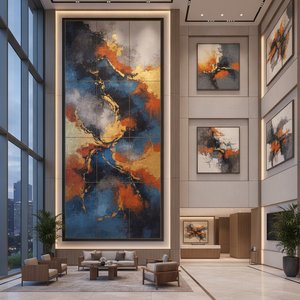 Strategic Sourcing of Premium Abstract Art for High-Impact Commercial Interiors and Large-Scale Hotel Projects
The Strategic Role of Abstract Art in Establishing Hospitality Brand Identity Mastering Abstract Art for Modern Interiors: A Professional Procurement Guide for Hospitality Designers The Strategic Role of Abstract Art in Hospitality Design: Establishi...
Navigating the complexities of large-scale art procurement requires more than just an eye for beauty; it requires a strategic partnership. For the interior architect and hotel designer, the ability to "remix" history or customize works is essential. The modern toolkit includes services that allow for the transformation of personal motifs into grander scales, or even "Period Shifts," where contemporary imagery is reimagined through the lens of historical masters. This level of bespoke service ensures that every piece of art is a deliberate statement of brand character, tailored to the specific color palette and architectural requirements of the project.
Professional integration also involves managing the logistical rigors of large-scale installations—from digital mockups that allow you to visualize the composition on your actual walls before production begins, to the technicalities of custom framing and canvas engineering. For B2B professionals, access to volume discounts, white-label shipping, and specialized documentation is vital for seamless project execution. Ultimately, the goal is to move beyond mere decoration and toward a state of total environmental design, where every brushstroke and every panel serves to elevate the property's prestige and create an unforgettable, high-impact experience for every guest.
For professionals seeking to transform their projects with high-impact, contemporary art, visit ArtsDot.com—the destination for bold, curated, and visually commanding works designed to redefine modern luxury.