
Introduction
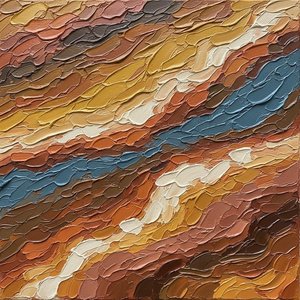
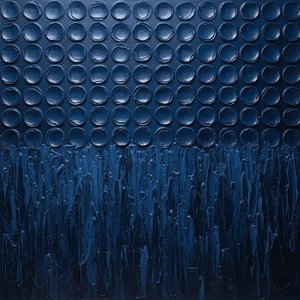
Imagine walking into a room where the air itself feels tinted, where every shadow and every highlight vibrates with a single, unapologetic pulse of color. There is a raw, hypnotic power in minimalism—a moment where an artist decides to strip away the noise of a full spectrum to focus entirely on the soul of a single hue. This is the magic of monochromatic intensity: it isn's just about a lack of variety; it is about the extreme exploration of depth, texture, and emotion within a singular chromatic boundary.
Historically, the move toward monochromatic mastery marked a radical shift in how we perceive visual impact. From the early experiments in tonal studies to the high-octane, graphic energy of modern movements like Pop Art and Color Field painting, artists have used single-color palettes to command attention and manipulate mood. By removing the distraction of competing colors, these works force us to confront the physicality of paint—the thick, impasto ridges, the subtle gradients of light, and the way a deep cobalt or a searing crimson can alter the very temperature of a space.
In our hyper-saturated digital age, where we are constantly bombarded by flickering, multi-colored screens, these monochromatic masterpieces remain profoundly meaningful. They offer a visual reset. They provide a focal point that is both calming and intensely stimulating, acting as an anchor in a chaotic world. Whether it is the brooding weight of a dark noir aesthetic or the electric glow of a neon-infused street art vibe, these works prove that you don't need a rainbow to tell a complete story; sometimes, one perfect shade says everything.
In the following curation, we are diving deep into the heavy hitters. We have selected ten iconic works that define the peak of monochromatic brilliance—pieces that use color not just as a medium, but as a visceral, immersive experience. Prepare to see color in a whole new light.
Guernica - Pablo Picasso
 Guernica - Pablo Picasso
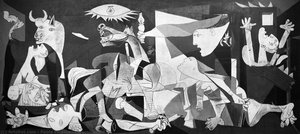
In Guernica by Pablo Picasso , the chaos of war is disciplined by a staggering geometric precision. While the subject matter is visceral and fragmented, the composition relies on a heavy, structural balance of sharp angles and interlocking Cubist planes that prevents the scene from dissolving into pure disorder. This mastery of form creates a sense of timeless perfection; even amidst the screaming figures and wounded animals, there is an underlying architectural rhythm that anchors the viewer's eye.
The painting’s monochromatic color intensity —a stark, journalistic palette of only black, white, and grey—strips away all distractions, forcing a direct confrontation with the raw emotionality of the work. This rejection of hue mirrors the principles of modern minimalist design, where impact is derived from high-contrast shapes rather than decorative excess. For the contemporary collector, Guernica serves as the ultimate blueprint for a bold, graphic aesthetic, proving that a restricted color range can amplify, rather than diminish, the profound weight of a visual narrative.
Night Watch - Rembrandt van Rijn
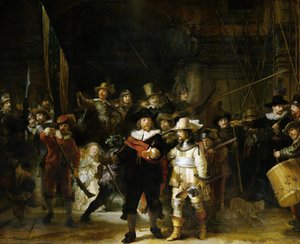 Night Watch - Rembrandt van Rijn
Rembrandt’s The Night Watch is a masterclass in high-contrast drama, standing as a titan among the top 10 artworks celebrated for their monochromatic color intensity . While not strictly single-hued, its power lies in a brooding, low-key palette of deep blacks, earthy ochres, and heavy shadows that feel almost sculptural. This isn't just a group portrait; it is an immersive experience of chiaroscuro , where light doesn't just illuminate—it carves figures out of the darkness.
The painting’s reliance on a concentrated, tonal range creates a cinematic tension that feels incredibly modern. In today’s design-conscious spaces, this moody, atmospheric aesthetic mirrors the rise of dark, maximalist interiors and the "dark academia" trend, where depth and shadow are used to create soul and mystery. By stripping away distracting brights and focusing on the heavy interplay of light and dark, Rembrandt achieves a visceral, rhythmic energy. It remains a cultural touchstone because it proves that true visual impact doesn't need a rainbow—it just needs the right intensity of shadow.
The Girl with a Pearl Earring - Johannes Vermeer
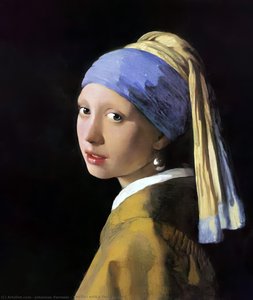 The Girl with a Pearl Earring - Johannes Vermeer
Vermeer’s 1665 masterpiece, The Girl with a Pearl Earring , is far more than a portrait; it is an exercise in high-contrast mystery that anchors its place among the top 10 artworks celebrated for their monochromatic color intensity . While not strictly single-hued, the painting thrives on a stripped-back, dramatic palette where deep, void-like blacks collide with luminous skin tones and the striking ultramarine of her turban. This intense interplay of light and shadow—the classic chiaroscuro effect—creates a visual punch that feels incredibly modern, much like the high-impact graphic design we crave today.
The composition relies on a concentrated focus, using a limited tonal range to pull the viewer into her enigmatic gaze. The single, brilliant highlight on the pearl earring acts as a focal point of pure light against the dark, atmospheric background. In contemporary interior curation, this piece serves as a masterclass in how minimalist color palettes can command a room, proving that when you strip away the noise, the emotional resonance of light and shadow becomes an unforgettable cultural talking point.
The Calling of Saint Matthew - Caravaggio
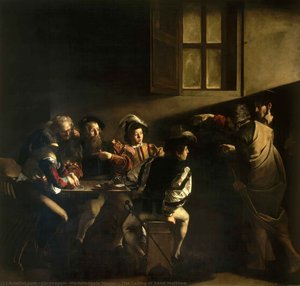 The Calling of Saint Matthew - Caravaggio
Imagine stepping into a dimly lit room where the only thing visible is a single, piercing beam of light cutting through an oppressive, ink-black void. This is the cinematic tension of Caravaggio’s The Calling of Saint Matthew . As a masterclass in monochromatic intensity, this piece defines the power of tenebrism —a technique where deep, shadowy blacks and earthy umbers collide with sudden, brilliant highlights. There is no unnecessary color here; the drama lives entirely in the stark contrast between the darkness of a worldly tavern and the divine light illuminating Christ’s gesture.
The atmosphere is heavy, tactile, and profoundly intimate. You can almost feel the grit of the 17th-century textures and the breathless silence of that transformative moment. For the modern collector, bringing this level of high-contrast drama into a space creates an instant focal point of deep reflection. It is more than just a painting; it is a moody, atmospheric anchor that transforms a contemporary room into a sanctuary of light and shadow, perfect for those who crave art with raw, emotional weight.
Arrangement in Grey and Black. Portrait of the Painter's Mother - James Abbott McNeill Whistler
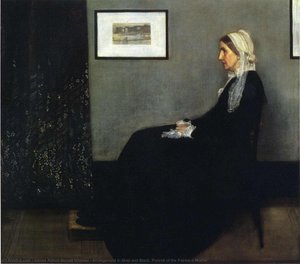 Arrangement in Grey and Black. Portrait of the Painter's Mother - James Abbott McNeill Whistler
There’s a gaze in Arrangement in Grey and Black. Portrait of the Painter's Mother by James Abbott McNeill Whistler that follows you—not with judgment, but with understanding . This isn’t just a portrait; it’s a mirror . As one of the most iconic entries in our list of the Top 10 Artworks Celebrated for Their 'Monochromatic' Color Intensity , this piece strips away the noise of the modern world to reveal something raw and essential.
Whistler masterfully uses a restricted palette of charcoal, slate, and bone white to create a heavy, atmospheric tension. The way the light catches the subtle textures of the black drapery against the muted grey background creates a rhythmic, visual pulse that feels both somber and incredibly high-impact. It is a masterclass in Tonalism, where the absence of color allows the true depth of emotion to emerge. Now, imagine that gaze in your space. Not watching you, but reminding you : you are seen. You are part of the story.
Liberty Leading the People - Eugène Delacroix
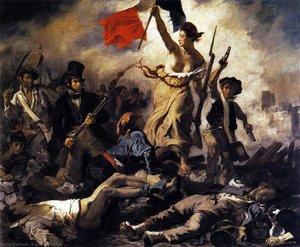 Liberty Leading the People - Eugène Delacroix
A thunderous roar of revolution captured in a single, breathless moment, Liberty Leading the People by Eugène Delacroix is more than just a painting; it is an emotional earthquake. At ArtsDot.com, we believe in democratizing this kind of raw, historical power, making the profound impact of the masters accessible to every modern collector. This masterpiece earns its place in our Top 10 for its unparalleled ability to use a gritty, almost monochromatic intensity—heavy with shadows, earthy browns, and smoky grays—to amplify the singular, piercing strike of the French tricolor.
Delacroix breaks away from static tradition, using a whirlwind of movement and dramatic chiaroscuro to pull you into the chaos of 1830. The way the muted, somber tones anchor the composition allows the symbolic weight of Liberty to feel visceral and immediate. It is an aesthetic of grit and glory that perfectly complements bold, contemporary interiors seeking a focal point with soul. By choosing a high-fidelity reproduction, you can bring this transformative presence and its defiant spirit into your own home, office, or personal gallery, turning any wall into a monument of freedom.
Portrait of Giovanni Arnolfini and his Wife - Jan van Eyck
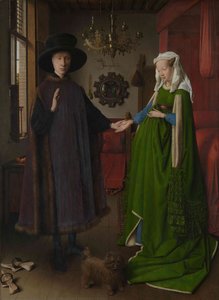 Portrait of Giovanni Arnolfini and his Wife - Jan van Eyck
Step into a 15th-century chamber where the air feels heavy with quiet devotion and whispered promises. In Jan van Eyck’s Portrait of Giovanni Arnolfini and his Wife , the world slows down, captured through a lens of unparalleled realism. While not monochromatic in a literal sense, the painting achieves a profound monochromatic intensity through its tonal depth; the rich, saturated shadows and the deep, singular hues of heavy velvets create a moody, atmospheric cohesion that anchors the entire composition.
Van Eyck’s mastery of oil glazes allows light to pool in the folds of fabric, making the textures of fur and silk feel almost tactile. The subtle interplay of dark, earthy tones and luminous highlights creates a singular, focused energy that commands attention. Bringing a piece with this level of dramatic, tonal weight into a modern interior offers more than just decor; it introduces a sense of timeless gravity and sophisticated mystery, perfect for creating a focal point of reflection and quiet luxury in any contemporary space.
Creation of Adam - Michelangelo Buonarroti
 Creation of Adam - Michelangelo Buonarroti
In Michelangelo’s Creation of Adam , the tension resides not in movement, but in the electric, breathless gap between two fingers. While this masterpiece is celebrated for its High Renaissance anatomical precision, its inclusion in our look at monochromatic intensity stems from the way the earthy, desaturated tones—deep ochres, muted terracottas, and stone-like flesh tones—focus the viewer entirely on the psychological weight of the encounter. The palette avoids distracting vibrance, instead using a controlled, almost singular tonal range to emphasize the raw, sculptural power of the human form.
This piece serves as a universal mirror for human potential; Adam’s heavy-lidded gaze reflects a soul on the precipice of awakening. When integrated into a modern interior, the muted, monochromatic intensity of this fresco acts as an anchor. It transforms a personal sanctuary into a space for profound reflection, where the lack of chromatic noise allows for a deep, meditative calm, inviting you to contemplate the very spark of existence every time you enter the room.
The Blue Boy (Jonathan Buttall) - Thomas Gainsborough
 The Blue Boy (Jonathan Buttall) - Thomas Gainsborough
In The Blue Boy , Thomas Gainsborough orchestrates a masterclass in tonal saturation, where the play of light against a singular, dominant hue creates an almost hypnotic visual rhythm. The brilliance of the silk attire isn't just about color; it is about how the light catches every fold and texture, using a sophisticated chiaroscuro to pull the subject forward from the moody, atmospheric landscape. This command of illumination—highlighting the luminous blues against deep, shadowy recesses—is exactly why this piece stands as a titan in our list of artworks celebrated for their monochromatic intensity.
Gainsborough’s ability to manipulate light to define form and mood secured this portrait's legendary status, turning a simple study of blue into an epic narrative of elegance. When brought into a modern interior, the painting’s high-contrast energy acts as a focal point of pure luxury. The way the light seems to radiate from the canvas adds an incredible sense of three-dimensional depth to any contemporary wall, offering a sophisticated, high-impact aesthetic that feels both timeless and strikingly bold.
Narcissus - Caravaggio
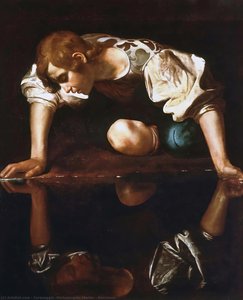 Narcissus - Caravaggio
Caravaggio’s Narcissus is a masterclass in high-contrast drama, earning its spot among the top artworks celebrated for their monochromatic color intensity. While not strictly single-hued, the piece operates through a crushing, singular mood defined by deep ochres, earthy browns, and heavy shadows. This isn't just a painting; it’s an immersive psychological experience. Through his revolutionary tenebrism , Caravaggio strips away the noise of a full palette, using stark light to pierce through a void of darkness, focusing our gaze entirely on the tragic loop of self-obsession.
The way the warm, muted tones collide with the ink-black background creates a visual punch that feels incredibly modern—almost like a noir film frame. It forces us to confront the raw, unpolished reality of human desire and the isolation that comes with it. Bringing this level of intensity into a contemporary space adds an instant layer of sophisticated grit. Whether you are a collector of the bold or a lover of street-art energy, the heavy, tonal depth of this Baroque masterpiece provides a timeless, moody anchor for any curated interior.
Conclusion
As the light fades on this exploration of monochrome intensity, we are left with more than just a collection of images; we are left with the echoes of a profound, silent dialogue. These masterpieces prove that art does not belong solely to the era in which it was conceived. They are not static relics locked behind museum glass, but living, breathing presences that continue to pulse with energy, bridging centuries and souls through the sheer power of a single, focused hue. Whether it is the haunting depth of a midnight blue or the stark, visceral impact of a singular black, these works remind us that true emotional resonance requires no complex vocabulary—only the courage to feel.
Every deliberate brushstroke carries a timeless conversation between the artist’s original intent and our modern gaze, inviting us to find ourselves within their shadows and highlights. To bring this level of intentionality into your own space is to invite that same eternal movement into your daily life, allowing these iconic vibrations to shape your surroundings and inspire new layers of creativity. We invite you to continue this journey and discover how these singular tones can redefine your world by exploring our full collection .