

Introduction: The Enduring Appeal of Serenity
The pursuit of serenity is a timeless human endeavor, woven into the fabric of our spiritual, emotional, and aesthetic lives. From ancient rituals to modern mindfulness practices, we consistently seek moments of calm amidst the chaos. It’s perhaps no surprise then that art has long served as both a reflection of this yearning and a powerful catalyst for its attainment. The artworks that resonate most deeply often possess an inherent quality of stillness – a quietude that invites contemplation and offers respite from the demands of the external world. This exploration delves into the multifaceted nature of serenity as a subject and aesthetic in visual art, tracing its evolution across cultures and movements, and considering how artists have captured this elusive state for generations.
Historical Echoes: From Religious Iconography to Landscape Traditions
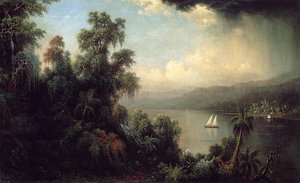
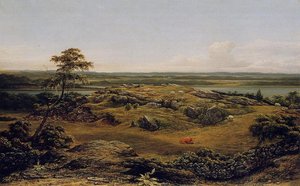
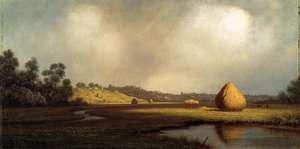
 Nature’s Embrace: Finding Serenity Through Landscape Art
Explore the power of landscape art to evoke serenity and tranquility. Discover historical perspectives, renowned artists, and find the perfect piece to bring nature's peace into your home with .
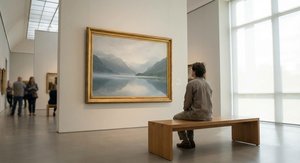
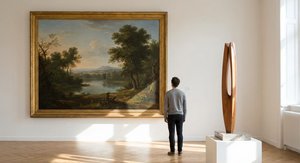
The roots of serene imagery are deeply embedded in religious iconography. Consider the countless depictions of the Buddha in meditative pose, or the gentle compassion radiating from Renaissance Madonnas. These works weren’t merely representations of faith; they were intended as portals to a higher state of consciousness, designed to evoke feelings of peace and devotion within the viewer. The symbolism employed – closed eyes signifying inward focus, flowing robes suggesting freedom from earthly constraints, muted color palettes promoting tranquility – all contributed to an atmosphere conducive to spiritual reflection. As artistic patronage shifted away from solely religious themes, landscape painting emerged as a powerful vehicle for expressing serenity. The vastness of nature, particularly in the Romantic era, offered a sense of awe and perspective, allowing viewers to connect with something larger than themselves. Artists like Caspar David Friedrich masterfully captured this feeling, often depicting solitary figures dwarfed by imposing natural scenes, prompting introspection on humanity’s place within the universe.
Minimalism & Meditation: Agnes Martin and the Pursuit of Quietude
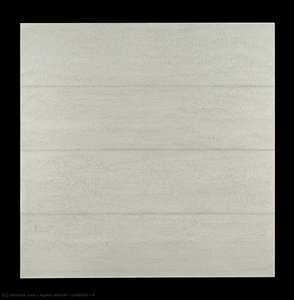 Untitled # 9
Experience quiet contemplation with Agnes Martin's Untitled #9 (1984). This minimalist abstract painting features subtle lines & muted tones, evoking serenity and meditative calm.
The 20th century witnessed a radical shift in artistic expression, and with it, a renewed focus on simplicity. Minimalism, born out of Abstract Expressionism, sought to strip away extraneous detail, leaving only essential forms and colors. Agnes Martin stands as a pivotal figure in this movement, her paintings characterized by subtle grids and delicate washes of color. Works like Untitled #9 (1984), with its barely-there lines and muted tones, aren’t about representation; they are about creating an experience – a meditative space where the viewer can lose themselves in the nuances of form and texture. Martin herself spoke of her work as being rooted in a desire for “happiness,” achieved through a rigorous process of self-discipline and a commitment to pure abstraction. Her paintings demand slow, deliberate viewing, encouraging a quiet contemplation that mirrors the practice of meditation. The absence of overt narrative allows the viewer’s own thoughts and emotions to surface, fostering a deeply personal connection with the artwork.
The Japanese Aesthetic of 'Wabi-Sabi' and Finding Beauty in Imperfection
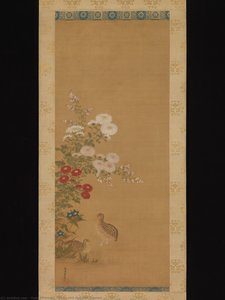 Quail and Autumn Flowers
Admire Tosa Mitsuoki's serene 'Quail & Autumn Flowers.' This Edo-period scroll painting showcases delicate lines, warm tones, and symbolic beauty. Explore Japanese Yamato-e art!
Across continents, a parallel aesthetic philosophy emerged in Japan: wabi-sabi. This worldview embraces imperfection, transience, and simplicity as sources of beauty. Traditional Japanese art forms – calligraphy, tea ceremonies, garden design – all embody these principles. In painting, this translates to an appreciation for natural materials, asymmetrical compositions, and a deliberate rejection of ostentation. Tosa Mitsuoki’s Quail and Autumn Flowers, exemplifies this sensibility. The delicate lines, warm tones, and understated elegance of the scroll painting evoke a sense of harmony with nature. The artwork isn't about flawless execution; it celebrates the beauty of fleeting moments – the changing seasons, the fragility of life. This aesthetic resonates deeply with our contemporary desire for authenticity and a rejection of superficiality. The focus shifts from grand gestures to subtle details, inviting viewers to appreciate the quiet beauty that often goes unnoticed.
Contemporary Expressions: Nara Yoshitomo and the Inner Child’s Peace
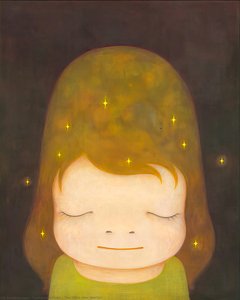 The little star dweller
Discover 'The Little Star Dweller' by Nara Yoshitomo Zuzanna – a dreamy digital painting of innocence & celestial wonder. Explore its unique style, symbolism & captivating appeal.
While historical traditions provide a rich foundation, artists continue to explore serenity in innovative ways. Yoshitomo Nara's work offers a compelling example of this. His paintings, featuring wide-eyed children often depicted in solitary settings, possess a haunting yet endearing quality. The Little Star Dweller, with its dreamy digital painting style and celestial imagery, captures a sense of innocence and vulnerability. These aren’t simply portraits of children; they are explorations of the inner world – the quiet moments of reflection, the longing for connection, the search for peace within oneself. Nara's use of color, often muted pastels or stark contrasts, creates an atmosphere that is both comforting and unsettling. The simplicity of his compositions draws attention to the emotional depth of his subjects, inviting viewers to empathize with their inner struggles and find solace in their quiet resilience.
Bringing Serenity Home: Curating a Tranquil Space with Art
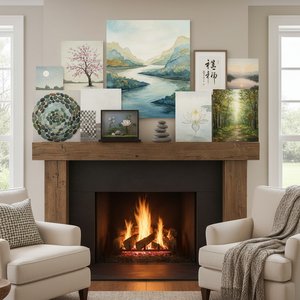
The power of art to evoke serenity extends beyond the museum walls. Selecting artworks for your home can be a conscious act of self-care, transforming your living space into a sanctuary. Landscape paintings, minimalist abstractions, and works inspired by Japanese aesthetics are all excellent choices for creating a calming atmosphere. Consider incorporating soft color palettes – blues, greens, grays – known to promote relaxation. The key is to choose pieces that resonate with you personally, fostering a sense of peace and well-being. At ArtsDot.com, we offer a vast collection of handmade oil paintings and museum-quality prints, allowing you to bring the art of serenity into your own home. Our expert consultants can guide you in selecting pieces that complement your décor and reflect your individual style. Whether you’re seeking a grand statement piece or a subtle accent, we are committed to helping you curate a space that nurtures your soul and provides a haven from the stresses of modern life. Explore our collection today and discover the transformative power of art.