
Introduction: The Enduring Quest to Visualize Feeling
 The Visceral Language of Emotion: Exploring Representations of Intense Feeling in Art History
Explore the profound history of emotional representation in art. Discover how masters like Goya evoked feeling & the impact of affect theory on collecting. Expert analysis for discerning connoisseurs.
From the earliest cave paintings depicting hunts imbued with a sense of ritualistic power, humanity has sought to externalize its inner life through art. Before written language could fully articulate experience, images served as vessels for emotion – fear, hope, reverence, and the mysteries of existence itself. This primal urge to visualize feeling isn’t merely about representation; it's about a fundamental need to understand and share the complexities of being human. Throughout history, artists have grappled with this challenge, developing increasingly sophisticated techniques and symbolic languages to convey states of mind that transcend literal depiction. The quest to capture the intangible – joy, sorrow, longing – remains at the heart of artistic endeavor, shaping movements from Renaissance portraiture to the abstract explorations of the 20th century.
From Symbolism to Subjectivity: Early Expressions of Inner States in Art
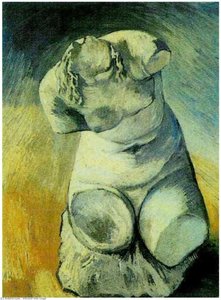 Plaster Statuette of a Female Torso 8
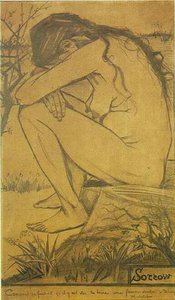
Early attempts to represent inner states often relied on established symbolism. In medieval religious art, for example, specific colors and gestures were imbued with theological meaning, conveying spiritual emotion through codified visual cues. The golden halos signifying sanctity or the downward gaze representing humility weren’t intended as realistic portrayals but rather as symbolic representations of an internal condition. However, even within these constraints, artists began to subtly introduce elements of subjectivity. Consider the nuanced expressions in Renaissance portraits – a slight downturn of the mouth hinting at melancholy, or the intensity of a gaze suggesting inner turmoil. These were nascent explorations of psychological realism, foreshadowing the more overt emotionality that would characterize later periods. Vincent van Gogh’s early works, like his plaster statuettes of female torsos (Plaster Statuette of a Female Torso 8), demonstrate a fascination with form as a conduit for emotion. Though seemingly simple studies, they reveal a sensitivity to the human figure and an attempt to capture something beyond mere physical likeness – a sense of vulnerability or quiet contemplation.
The Rise of Expressionism: A Bold New Language for Emotional Intensity
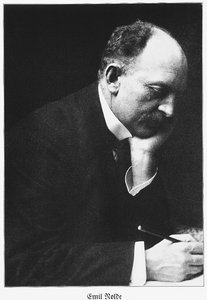 emile nolde
Explore Emil Nolde's vibrant Expressionism! Discover bold colors, emotive landscapes & iconic works like 'The Mocking of Christ'. A key figure in Die Brücke.
The late 19th and early 20th centuries witnessed a radical shift in artistic priorities with the emergence of Expressionism. Rejecting traditional notions of beauty and realism, artists like Edvard Munch, Ernst Ludwig Kirchner, and Emil Nolde (Emile Nolde) sought to convey subjective experience directly through distorted forms, jarring colors, and emotionally charged brushwork. This wasn’t about depicting *what* they saw but rather *how* they felt. Nolde's landscapes are particularly striking in their raw intensity – vibrant hues clash and collide, creating a visceral sense of unease or ecstatic joy. The movement was fueled by a growing sense of alienation and anxiety in the modern world, and artists responded by developing a visual language that mirrored these turbulent emotions. Van Gogh’s later paintings, such as The Man is at Sea (after Demont-Breton), while often categorized as Post-Impressionist, foreshadowed Expressionist techniques in their use of bold color and expressive brushstrokes to convey a sense of psychological distress. Expressionism wasn’t simply about portraying negative emotions; it was about the power of art to reveal the underlying emotional currents that shape human experience.
Beyond the Canvas: Exploring Emotion in Sculpture, Photography & Performance
The exploration of emotion wasn't confined to painting. Sculptors like Alberto Giacometti used elongated forms and rough textures to convey a sense of existential isolation and vulnerability. Photography, with its capacity for capturing fleeting moments and subtle expressions, also became a powerful medium for psychological portraiture. However, it was the rise of performance art in the mid-20th century that truly pushed the boundaries of emotional representation. Artists like Marina Abramović used their own bodies as instruments to explore themes of pain, endurance, and vulnerability, creating intensely personal and often unsettling experiences for both themselves and their audiences. These works challenged traditional notions of artistic distance, blurring the lines between artist and subject, performer and viewer. The physicality of performance art directly engages with emotion, making it a visceral and immediate experience.
Contemporary Artists and the Nuances of Psychological Representation
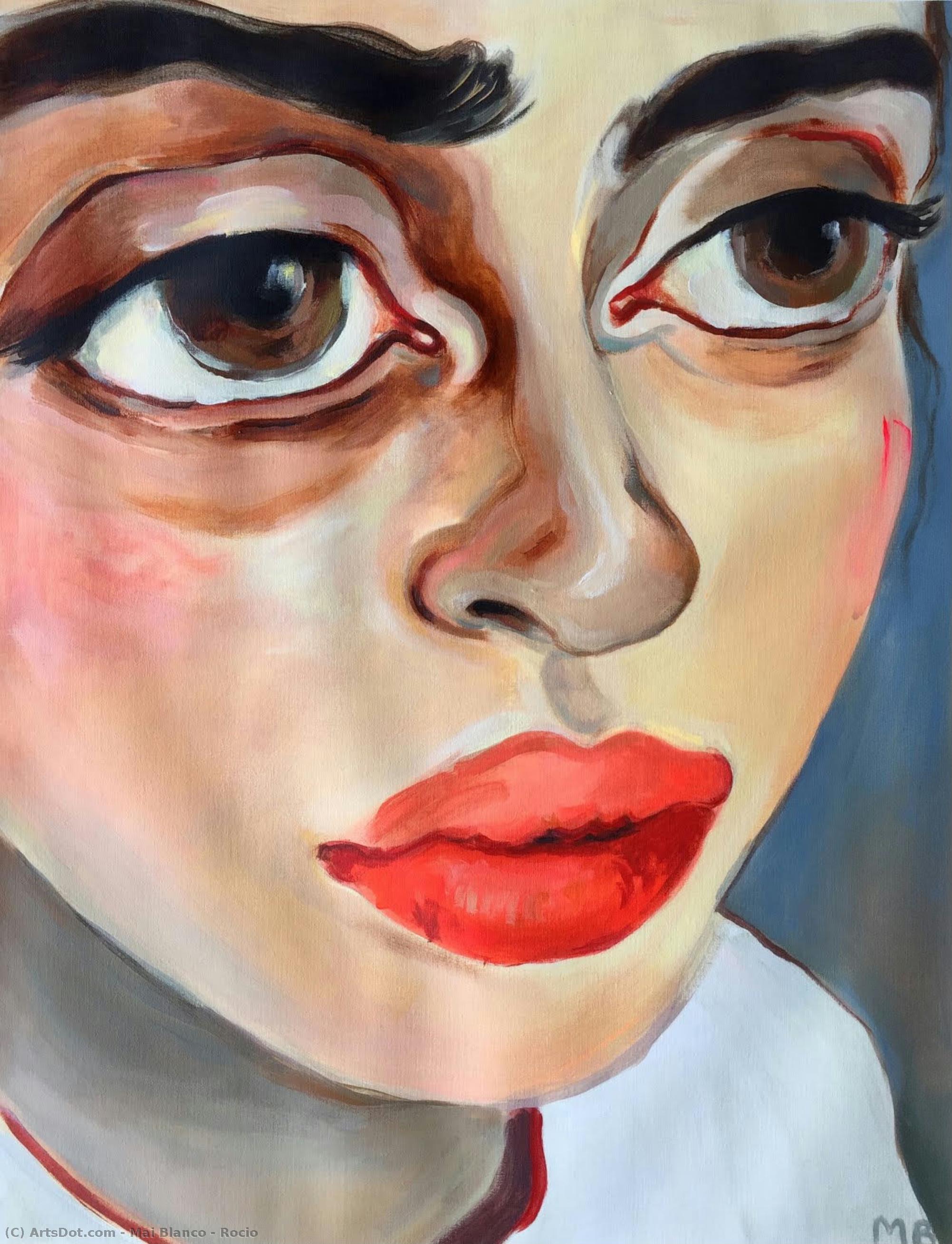 mai blanco
Spanish contemporary artist Mai Blanco creates evocative works exploring emotion and memory. Based in Barcelona, her art blends illustration & fine art.
Today’s artists continue to explore the complexities of psychological representation in diverse and innovative ways. Mai Blanco (Mai Blanco), for example, blends illustration and fine art to create evocative works that delve into themes of memory and emotion, often employing dreamlike imagery and symbolic elements. Edward Fox (Edward Fox) masterfully captures the dramatic scenery of South Wales, infusing his landscapes with a sense of mystery and emotional resonance. Contemporary artists are also increasingly drawing on insights from psychology and neuroscience to understand how emotions are processed and experienced. This has led to works that explore themes of trauma, anxiety, and mental health with greater sensitivity and nuance. The use of abstraction remains prevalent, allowing artists to convey complex emotional states without resorting to literal representation. Gauguin’s Chou Quarry, Hole in the Cliff exemplifies this approach, using color and form to evoke a sense of isolation and longing.
Collecting Emotion: Building a Narrative Through Affective Resonance
For collectors, acquiring art isn’t simply about aesthetic appreciation; it's often about connecting with works that resonate on a deeper emotional level. Building a collection based on affective resonance allows you to curate a personal narrative – a visual representation of your own inner landscape and experiences. When selecting artworks, consider the emotions they evoke and how those emotions align with your values and sensibilities. Do you gravitate towards pieces that inspire joy, contemplation, or perhaps a sense of melancholy? Understanding the historical context and artistic techniques can enhance your appreciation, but ultimately, the most important factor is whether a work speaks to *you*. At ArtsDot, we offer a vast selection of handmade oil paintings and museum-quality prints, allowing you to bring these powerful expressions of emotion into your home. Whether you’re seeking a classic masterpiece or a contemporary original, our team can help you find the perfect artwork to enrich your life and tell your story.