
The Allure of Landscape: A Historical Perspective
Landscape painting, also known as landscape art, is the depiction in painting of natural scenery such as mountains, valleys, rivers, trees, and forests, especially where the main subject is a wide view—with its elements arranged into a coherent compo...
For centuries, the depiction of natural scenery has held a profound sway over artists and audiences alike. Yet, the very notion of “landscape” as an independent genre—a subject worthy of artistic exploration in its own right—is a relatively recent development. Early art traditions often relegated landscapes to backgrounds, serving merely as settings for religious narratives or portraits of power. It wasn’t until the Renaissance, with a renewed interest in classical ideals and observation of the natural world, that landscape began to emerge as a distinct form. The Dutch Masters of the 17th century truly elevated it, crafting detailed studies of their homeland—skies brimming with dramatic clouds, meticulously rendered fields, and waterways reflecting the subtle nuances of light. These weren’t simply representations; they were atmospheric explorations, imbued with a sense of national pride and quiet contemplation. The recognition of a spiritual element within landscape art is present from its beginnings, hinting at something beyond mere topographical accuracy—a connection to the divine or an embodiment of idealized harmony.
Wabi-Sabi & Yūgen: Japanese Aesthetics of Serenity
Japanese aesthetics comprise a set of ancient ideals that include wabi (transient and stark beauty), sabi (the beauty of natural patina and aging), and yūgen (profound grace and subtlety). These ideals, and others, underpin much of Japanese cultural ...
While Western painting charted a course focused on realism and perspective, Eastern traditions offered a distinctly different approach. Japanese aesthetics, deeply rooted in Shinto and Buddhist philosophies, prioritize concepts like wabi—the beauty of imperfection, transience, and simplicity—and yūgen, which evokes profound grace and subtlety beyond what can be explicitly expressed. Unlike the Western desire to capture a precise likeness, Japanese landscape art often seeks to convey an *atmosphere*, a feeling, or a spiritual resonance. Consider the delicate ink washes of traditional scroll paintings, where misty mountains dissolve into ethereal forms, suggesting vastness and impermanence. These works aren’t about depicting a specific place; they're about evoking a state of mind—a quiet acceptance of nature’s cycles and the beauty found in its fleeting moments. The emphasis is on suggestion rather than explicit detail, inviting viewers to participate in completing the image with their own imagination and emotional response.
Impressionism's Embrace of Light and Atmosphere
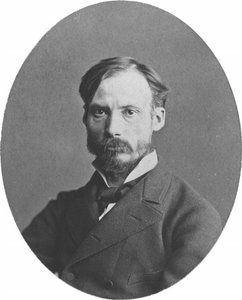
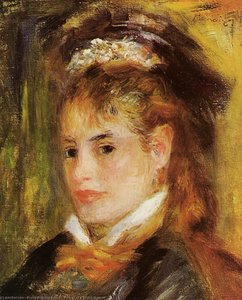
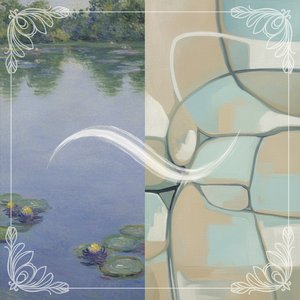
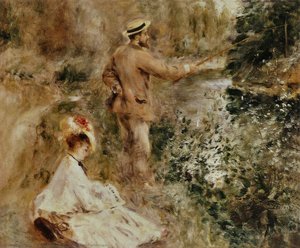
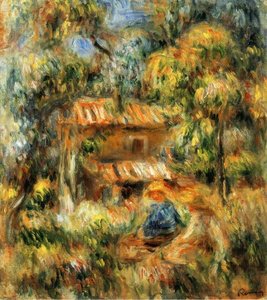
The 19th century witnessed a radical shift in artistic perception with the rise of Impressionism. Rejecting the academic constraints of studio painting, artists like Claude Monet ventured en plein air, directly observing the effects of light and color on the landscape. Monet’s series paintings—haystacks, water lilies, Rouen Cathedral—are not studies of specific objects but investigations into how these subjects appear under varying conditions of light and atmosphere. The loose brushstrokes and vibrant palettes capture the ephemeral quality of a moment, prioritizing sensation over precise representation. Renoir, too, embraced this approach, as seen in “Nude in a Landscape,” where dappled sunlight filters through trees, creating a sense of warmth and tranquility. These Impressionist landscapes weren’t merely depictions of nature; they were attempts to capture the very *feeling* of being immersed within it—the play of light on water, the gentle breeze rustling through leaves.
Symbolic Landscapes: Klimt and the Art Nouveau Movement
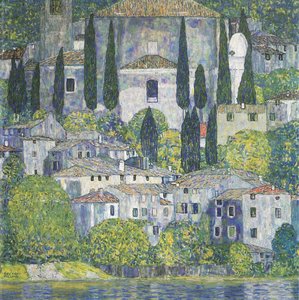
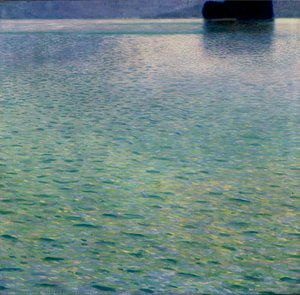
Gustav Klimt, a leading figure of the Art Nouveau movement, infused landscape with symbolism and decorative elements. His “Church in Cassone,” for example, isn’t a straightforward depiction of an Italian village; it's a richly textured composition brimming with symbolic meaning. The stylized trees, vibrant colors, and flattened perspective create a dreamlike atmosphere, evoking a sense of nostalgia and longing. Klimt often used landscape as a backdrop to explore themes of life, death, and spirituality, layering intricate patterns and gold leaf to enhance the emotional impact. The Art Nouveau emphasis on organic forms and flowing lines further contributed to the creation of landscapes that felt less like realistic representations and more like evocative visions—windows into an inner world.
British Pastoral Visions: Holl and Lord’s Evocative Scenes
Across the English Channel, artists like Francis Montague Holl and Mary Lord captured the serene beauty of the British countryside. Holl's watercolors often depict quiet rural scenes – grazing sheep, winding rivers, and thatched-roof cottages—imbued with a sense of nostalgia for a simpler way of life. Lord’s paintings, meanwhile, are characterized by their delicate light and evocative dawns, sun-drenched islands, and captivating winter landscapes. Both artists shared a keen eye for detail and a sensitivity to the subtle nuances of nature, creating scenes that felt both intimate and expansive. Their work reflects a deep connection to the land—a celebration of its beauty and tranquility.
Finding Peace in Color: Exploring Tranquil Palettes Across Time
Beyond technique and subject matter, color plays a crucial role in evoking serenity within landscape art. From the muted tones of Dutch Masters to the vibrant hues of Impressionism and the symbolic palettes of Klimt, artists have long understood the power of color to influence mood and emotion. The use of blues and greens—as seen in Renoir’s “The Blue River”—often evokes a sense of calm and tranquility, while warmer tones like golds and yellows can create a feeling of warmth and nostalgia. Ultimately, the most effective landscapes are those that not only capture the beauty of nature but also resonate with our own emotional experiences—inviting us to pause, reflect, and find peace within their tranquil depths.