

The Albanian Roots & Artistic Formation of Gazmend Freitag
 Gazmend Freitag
Discover Gazmend Freitag's remarkable Albanian contemporary realism. Captivating nudes, landscapes & still lifes by this Kosovo-born artist – explore his work.
Gazmend Freitag’s artistic journey is deeply rooted in the cultural landscape of Albania, a nation steeped in history and resilience. Born in 1968 in Pataçani i Poshtëm, Kosovo, his early life was profoundly shaped by the region's unique aesthetic traditions and socio-political climate. While formally trained at the Academy of Fine Arts in Tirana, graduating in 1992, Freitag’s artistic sensibility extends beyond academic instruction, drawing inspiration from a rich heritage of portraiture, landscape painting, and a keen observation of human experience. This formative period instilled within him not only technical proficiency but also a profound understanding of light, shadow, and the emotive power of color – elements that would become hallmarks of his distinctive style. The post-communist era in Albania fostered a spirit of artistic exploration, allowing Freitag to develop a unique voice amidst a burgeoning creative scene. His initial works often reflected this period of transition, subtly imbued with a sense of introspection and a search for identity.
Navigating Realism: Freitag’s Mastery of Form and Figure
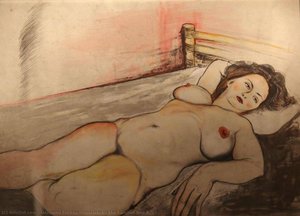
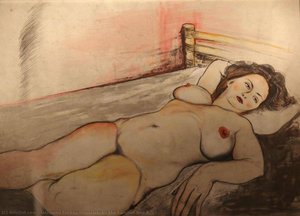 Gabriele on the bamboo bed 3
Gazmend Freitag’s ‘Gabriele on the bamboo bed 3’ – a captivating oil painting of a nude figure in expressive realism. Explore this serene, evocative work by Kosovo-born artist.
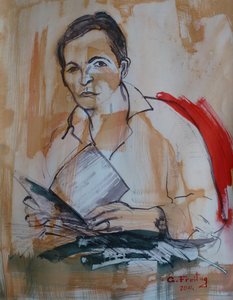
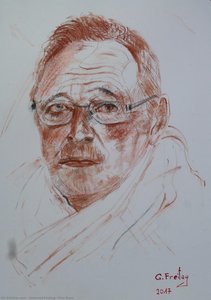
Freitag is unequivocally a figure within the realm of contemporary realism, yet his approach transcends mere imitation. He doesn't simply *reproduce* reality; he interprets it through a deeply personal lens, imbuing each subject with an emotional weight that resonates far beyond the canvas. His mastery lies in his ability to capture not just physical likeness but also the inner life of his subjects – whether they be solitary figures lost in contemplation or intimate portraits revealing vulnerability and strength. This is particularly evident in works like ‘Gabriele on the bamboo bed 3’, where the nude figure isn’t presented as an object of study, but rather as a serene embodiment of human form and emotion. The oil painting technique itself is crucial to this effect; Freitag employs layered brushstrokes that create texture and depth, lending a tactile quality to his work. His use of chiaroscuro – the dramatic interplay of light and dark – further accentuates the contours of the body and draws the viewer into the emotional core of the scene. Even in seemingly simpler compositions, such as ‘Manuel Krappinger’, the artist’s attention to detail—the subtle nuances of expression, the play of light on skin—demonstrates a profound commitment to capturing the essence of his subjects.
Echoes of Abstract Expressionism in Freitag's Oeuvre
Abstract expressionism in the United States emerged as a distinct art movement in the aftermath of World War II and gained mainstream acceptance in the 1950s, a shift from the American social realism of the 1930s influenced by the Great Depression an...
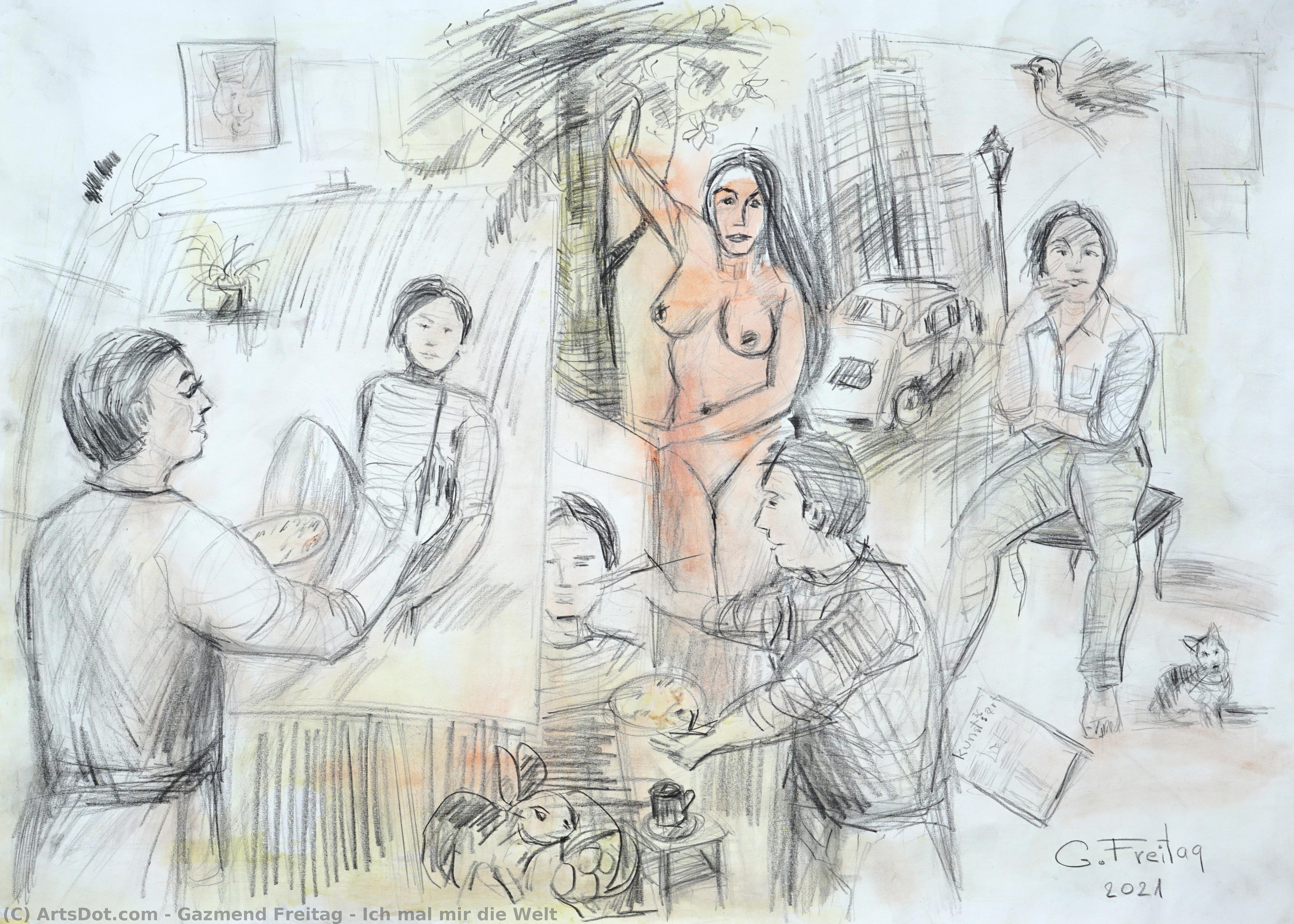
While firmly grounded in realism, Freitag’s work reveals intriguing connections to the principles of Abstract Expressionism. This isn’t manifested as direct imitation but rather as an underlying sensibility—a willingness to embrace spontaneity and emotional intensity. The movement, born from the post-World War II anxieties of the United States, prioritized subjective experience and non-representational forms. Though Freitag's paintings are undeniably figurative, they share a similar emphasis on conveying emotion through gesture and color. Consider his pencil drawing ‘Gazmend Freitag paints Falco’ – while representational, the stark black and white palette and expressive lines evoke a sense of raw energy and psychological depth reminiscent of artists like Arshile Gorky or Franz Kline. This connection is further amplified in certain landscapes where Freitag allows brushstrokes to become more gestural, blurring the line between representation and abstraction. He isn’t merely depicting a scene; he's conveying his *experience* of it—the feeling of light, wind, and atmosphere. The influence isn’t about replicating style but rather adopting a similar philosophical approach: using the canvas as an arena for emotional exploration.
Recurring Themes: Intimacy, Serenity, and the Human Condition
Throughout his prolific body of work – encompassing over 238 paintings – several recurring themes emerge. Intimacy is perhaps the most prominent, often explored through portraits and nude figures that invite quiet contemplation. These aren’t sensationalized depictions but rather tender studies of human vulnerability and connection. Serenity also features prominently, particularly in his landscapes where a sense of peace and tranquility pervades. Freitag's ability to capture the subtle beauty of nature—the gentle curve of a hill, the dappled light filtering through trees—creates an atmosphere of calm reflection. However, beneath this surface serenity often lies a deeper exploration of the human condition. His subjects are rarely depicted in grand narratives; instead, they’re shown in moments of quiet solitude, grappling with universal emotions such as longing, loss, and hope. This nuanced approach—avoiding overt symbolism or melodrama—allows viewers to project their own experiences onto his work, fostering a deeply personal connection.
The Kosovan Context & Freitag’s International Recognition
Freitag's artistic journey is inextricably linked to the evolving cultural landscape of Kosovo. His work offers a unique perspective on life in the region—a blend of resilience, introspection, and a quiet celebration of beauty amidst adversity. While his paintings don’t explicitly address political themes, they subtly reflect the complexities of Kosovan identity and history. His relocation to Linz, Austria in 2004 marked a turning point in his career, providing him with access to a wider international audience. Since then, Freitag has exhibited extensively both nationally and internationally, gaining recognition for his distinctive style and emotional depth. His work has been featured in numerous art fairs and galleries across Europe, attracting collectors who appreciate his masterful technique and nuanced approach to realism. The artist’s continued success is a testament to the universal appeal of his themes—intimacy, serenity, and the enduring power of the human spirit. Discovering Gazmend Freitag's work isn’t simply acquiring a painting; it’s investing in an artistic vision that transcends borders and speaks to the shared experiences of humanity.