


The Mirror of the Soul: Art as an Extension of Self-Representation
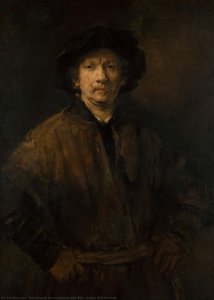 Large Self-Portrait
A Masterpiece of Introspection: Rembrandt's 1652 Self-Portrait Rembrandt Harmenszoon van Rijn’s “Large Self-Portrait” (1652) isn’t merely a depiction of an artist; it’s a profound exploration of the human condition, a carefully constructed dialogue b...
To gaze upon a portrait is to engage in a silent, centuries-old dialogue. Throughout the annals of art history, the act of representation has never been merely about the mechanical recording of a face; it is an attempt to capture the intangible essence of being. When we surround ourselves with art, we are not simply selecting objects for visual pleasure, but rather choosing the mirrors through which our own identities are reflected and reinforced. This profound connection between the viewer and the viewed suggests that art functions as a psychological extension of the self, a way to articulate values, emotions, and intellectual leanings that words often fail to convey.
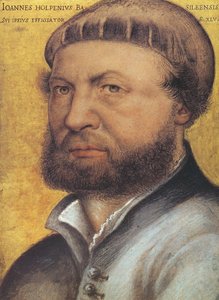
Consider the intimate intensity found in Eugène Delacroix’s self-portraits. As a titan of the French Romantic movement, Delacroix utilized the canvas to explore introspection and artistic identity, moving beyond mere physical likeness to reveal the turbulent inner workings of his mind. Similarly, the works of Rembrandt van Rijn offer a masterclass in this soulful exploration. His 1652 Large Self-Portrait is not just a depiction of an aging man; it is a heavy, textured meditation on mortality and the human condition, achieved through the dramatic interplay of light and shadow known as chiaroscuro. When we choose to bring such works into our personal sanctuaries, we are inviting that same depth of introspection into our daily lives, allowing the artist's struggle and triumph to resonate within our own walls.
From Status to Sentiment: The Historical Evolution of Portraiture
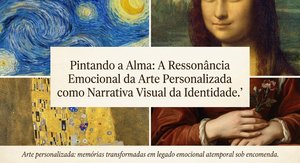 The Resonance of Self: Exploring the Psychological and Aesthetic Dimensions of Personalized Art Commissions
The Enduring Appeal: A History of Portraiture & Self-Representation Self-portrait For centuries, the human impulse to capture likeness has transcended mere documentation; it’s a profound dialogue between artist, subject, and the enduring gaze of time...
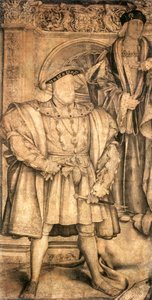
The history of portraiture is a fascinating chronicle of shifting human priorities. In the rigid hierarchies of the Renaissance and Tudor courts, portraits served primarily as emblems of power, wealth, and political legitimacy. The formalized grandeur seen in Hans Holbein’s depictions of monarchs was designed to project an immutable sense of authority and social standing. Every jewel, every heavy fabric, and every heraldic symbol was a deliberate piece of iconography intended to communicate status to the world.
However, as the centuries progressed, the focus of the portrait began to migrate from the external to the internal. The evolution moved from the stiff, symbolic displays of the 15th century—such as the complex, iconographic Jan van Eyck Arnolfini Portrait—toward the burgeoning psychological depth pioneered by masters like Leonardo da Vinci. His Mona Lisa introduced an unsettling intimacy and an enigmatic presence that transcended the subject's social rank. This trajectory continued into the modern era, where artists like Colin Self utilized the visual language of Pop Art to explore much more contemporary anxieties, such as the psychological complexities of the Cold War. Today, this evolution allows us to move beyond the "status symbol" and use art to express sentiment, vulnerability, and a deeply personal connection to history.
Curating a Legacy: How Masterpiece Reproductions Anchor Personal Narratives
 The Bespoke Canvas: Commissioned Art as Unique Expression & Investment
A Legacy of Patronage: From Renaissance Masters to Modern Commissions Patronage Patronage is the support, encouragement, privilege, or financial aid that an organization or individual bestows on another. In the history of art, art patronage refers to...
A curated collection of art acts as an anchor for one's personal narrative, providing a sense of continuity in an increasingly ephemeral world. In an age dominated by digital snapshots and fleeting social media impressions, the presence of a hand-painted reproduction offers something permanent and substantial. These works allow us to weave the threads of historical greatness into the fabric of our contemporary lives, creating a domestic environment that feels grounded in the long arc of human achievement.
Choosing a reproduction of a canonical masterpiece—be it the serene grace of a classical landscape or the dramatic tension of a Baroque scene—is an act of curation that defines the atmosphere of a home. It is about more than aesthetics; it is about establishing a lineage. By placing a meticulously crafted oil painting on one's wall, the collector participates in the tradition of patronage, ensuring that the visual language of the past remains a living, breathing part of the present. These pieces serve as conversation starters and intellectual touchstones, anchoring the modern inhabitant to the enduring values of beauty, craftsmanship, and historical significance.
The Alchemy of Memory: Transforming Modern Moments into Classical Masterpieces
 From Snapshot to Masterpiece: The Definitive Guide to Commissioning Custom Hand-Painted Oil Portraits
The Soul of the Canvas: Why Digital Memories Deserve a Hand-Painted Transformation From Photo to Masterpiece: The Stress-Free 8-Step Guide to Commissioning Your Custom Oil Painting The Soul of the Canvas: Why Your Memories Deserve More Than a Digital...
One of the most enchanting frontiers in contemporary art appreciation is the ability to bridge the gap between our personal milestones and the timeless styles of the Old Masters. This process, often described as a form of artistic alchemy, involves taking a modern, perhaps even mundane, photograph and reimagining it through the lens of historical technique. It is a way of elevating a fleeting moment—a wedding, a family gathering, or a cherished portrait—into something that possesses the weight and dignity of a museum-grade treasure.
At ArtsDot.com, we specialize in this transformative journey. Through our custom services, a digital memory can be reborn as a hand-painted oil masterpiece. Imagine a modern portrait reimagined with the thick, expressive impasto of Vincent van Gogh, or a contemporary family scene rendered with the soft, light-drenched atmosphere of an Impressionist work. We even offer "Period Shifts," where a simple selfie can be transformed into a 17::century masterpiece in the style of Rembrandt. This is not merely about replication; it is about using the prestige of art history to bestow a sense of permanence and grandeur upon our most precious personal memories, turning the ephemeral into the eternal.
Beyond the Frame: Integrating Art History into Contemporary Architectural Identity
 Art Deco
Art Deco, short for the French Arts décoratifs (lit. 'Decorative Arts'), is a style of visual arts, architecture, and product design that first appeared in Paris in the 1910s just before World War I and flourished internationally during the 1920s to ...
Art should never be an afterthought in interior design; rather, it should be the very soul of the architectural space. The integration of art history into modern architecture allows for a sophisticated layering of textures and eras. For those designing grand spaces, the potential for impact is immense. Large-format murals and ceiling frescoes can recreate the awe-inspiring atmosphere of the Sistine Chapel, transforming a contemporary hotel lobby or a private residence into a sanctuary of classical splendor.
Modern architectural trends, such as the use of multi-panel "split" paintings, allow for a seamless flow of art across wide walls and staircases, creating a cohesive visual narrative that complements modern structural lines. Whether it is the bold, geometric influence of Art Deco or the textured, tactile nature of a contemporary oil painting on canvas, the goal is to create an environment where history and modernity coexist. By treating art as a fundamental architectural element—rather than mere decoration—we allow the space to breathe with the weight of culture and the elegance of time-tested design.
Preserving the Gaze: The Enduring Value of Hand-Painted Artistry
In a world saturated with mass-produced prints and digital reproductions, there remains an irreplaceable value in the human touch. A true hand-painted oil reproduction possesses a physical depth that no computer printer can replicate. It is found in the visible brushstrokes, the subtle variations in pigment, and the way light interacts with the raised texture of the paint on 100% cotton canvas. This tactile reality is what allows a painting to truly "breathe" and engage the viewer's senses.
The longevity of such works is ensured through rigorous academic standards and traditional chemistry. By using flexible gesso to prevent cracking and specialized oils to prevent yellowing, these pieces are crafted to endure for generations. When you invest in a hand-painted reproduction, you are not just buying an image; you are acquiring a piece of craftsmanship that respects the legacy of the masters. It is a commitment to quality, a celebration of human skill, and a way to ensure that the profound gaze of history continues to watch over us, vibrant and undimmed, for decades to come.
For those seeking to explore these historical treasures or begin their own journey of custom creation, visit ArtsDot.com for further inspiration and artistic discovery.