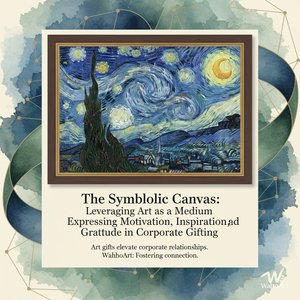
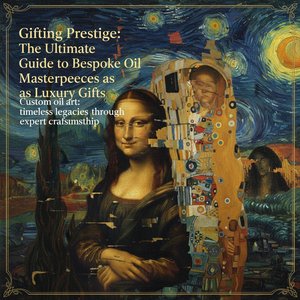
The Psychology of Prestige: Moving from Transactional Gifting to Emotional Connection
 Beyond Corporate Gifts: Scaling Personalized Art Experiences for Enhanced Client Engagement and Brand Loyalty
The Evolving Landscape of Corporate Gifting: From Swag to Strategic Relationship Building For generations, the corporate gift has been a curious ritual—a token exchanged, often with little thought beyond fulfilling an obligation. The ubiquitous pen, ...
In the rarefied air of high-level commerce, where transactions are often defined by the cold precision of spreadsheets and legal contracts, a profound human truth remains: true connection is forged through emotion, not merely exchange. For generations, the most successful leaders have understood that while a contract secures a deal, it is the gesture of recognition that secures a relationship. The modern corporate landscape has, unfortunately, seen a decline into the era of the perfunctical gift—the ubiquitous branded pen or the generic calendar—items that often signal indifference rather than appreciation. These mass-produced tokens lack the soul required to penetrate the psychological barriers of a discerning client.
To move beyond the transactional is to embrace the psychology of reciprocity and prestige. When we present a gift, we initiate a delicate dance of social meaning. The most impactful gestures are those that trigger neurological responses associated with pleasure and trust. By choosing an object of aesthetic merit, a benefactor moves the conversation from the realm of "what was exchanged" to "who is being honored." This shift is essential for building rapport; it demonstrates that you have looked past the professional title to recognize the individual’s unique sensibilities. A gift that possesses beauty does more than occupy space; it occupies the mind, creating a lasting neurological imprint of gratitude and mutual respect.
The Language of Legacy: How Masterpiece Reproductions Communicate Shared Values
 Oil Sketch for High Altarpiece, St Bavo, Ghent
Oil Sketch for High Altarpiece, St Bavo, Ghent: A Window into Rubens’s Baroque Vision The Oil Sketch for High Altarpiece, St Bavo, Ghent, offered by ArtsDot.com, is more than just a depiction of a religious scene; it's an intimate glimpse into the c...
History teaches us that art has never been merely decorative; it has always been a language of power, diplomacy, and shared identity. During the Renaissance, princes did not commission portraits simply to document their likenesses, but to communicate their cultural sophistication and to forge strategic alliances through the medium of beauty. This tradition of patronage is a powerful tool for the modern executive. When one presents a hand-painted reproduction of a canonical masterpiece—perhaps the luminous textures of a Vermeer or the dramatic chiaroscuro of a Rembrandt—one is not merely giving a painting; one is sharing a piece of human heritage.
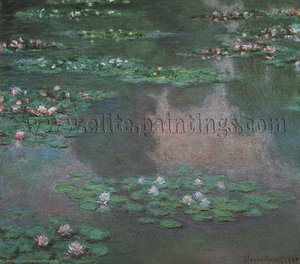
A masterpiece reproduction acts as a vessel for shared values. To gift a work that captures the sublime beauty of the natural world, such as an oil study in the style of the New England Luminists, suggests a shared appreciation for tranquility and meticulous detail. Conversely, a dynamic Baroque-style work conveys energy, movement, and strength. These are not random selections; they are deliberate expressions of understanding. When a gift reflects a client’s passions or their company's innovative spirit, it creates a narrative of alignment. The artwork becomes a tangible representation of the relationship itself—a legacy piece that stands as a testament to a bond that transcends the ephemeral nature of business cycles.
Curating the Client Experience: Tailoring Art to Individual Tastes and Brand Identity
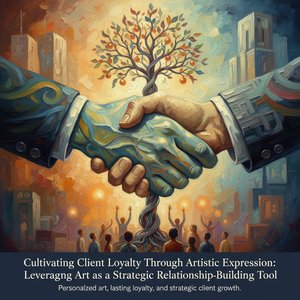 Cultivating Client Loyalty Through Artistic Expression: Leveraging Custom Art as a Strategic Relationship-Building Tool
The Psychology of Gifting: Why Custom Art Builds Deeper Client Connections Elevating Corporate Relationships: A Comprehensive Guide to Art Gifting Discover how strategic art gifting can elevate corporate relationships. provides expert guidance, custo...
The true art of gifting lies in the curation of the experience. For the luxury buyer, exclusivity is the ultimate currency. This is why the move toward bespoke, hand-painted reproductions offers such unparalleled strategic advantage. Unlike a standard print, which lacks tactile depth, a custom oil reproduction on 100% cotton canvas offers a physical presence that cannot be ignored. The visible brushstrokes and the rich, layered impasto create a sensory experience that mirrors the complexity of high-level professional relationships.
True personalization allows for what we might call the "remixing" of art history to suit a specific brand identity. Imagine the profound impact of commissioning a portrait that utilizes the light-drenched, impressionistic style of Monet to reflect a client’s forward-thinking, luminous approach to industry. Or perhaps transforming a significant corporate milestone into a grand, multi-panel composition that spans a boardroom wall, ensuring the colors and textures flow seamlessly across the architecture. This level of customization—where one can request specific color palettes or even "period shifts," such as rendering a modern scene in the 17::th-century style of Rubens—ensures that the gift is an inimitable reflection of both the giver’s thoughtfulness and the recipient’s unique persona.
Strategic Patronage in the Modern Era: The ROI of Bespoke Artistic Commissions
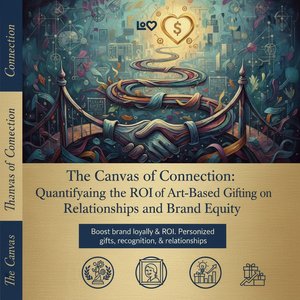 The Canvas of Connection: Quantifying the ROI of Art-Based Gifting on Corporate Relationships and Brand Equity
The Psychology of Gifting: Building Rapport & Reciprocity Psychology of art The psychology of art is the scientific study of cognitive and emotional processes precipitated by the sensory perception of aesthetic artefacts, such as viewing a painting o...
While the aesthetic value of art is indisputable, the strategic value for a corporation is measurable through the lens of brand equity and long-term loyalty. In an age of hyper-competition, differentiation is found in the details. Strategic art gifting functions as a formary of high-level Customer Relationship Management (CRM). It is an investment in "creating shared value," where the social obligation of appreciation meets the corporate goal of client retention. The return on investment is found not in immediate sales, but in the fortification of the brand’s reputation as a patron of excellence and a curator of taste.
The process of commissioning such works—involving professional digital mockups to ensure composition perfection and the meticulous oversight of a Project Coordinator—ensures that the final product meets museum-grade standards. This rigor mirrors the professionalism expected in high-stakes business. When a client receives a work that has been carefully prepared, from the initial digital preview to the final application of protective Damar varnish, they perceive a level of care that is directly transferable to their perception of your services. It signals that your organization does not settle for "good enough," but strives for the exceptional in every facet of its operations.
Beyond the Frame: Integrating Custom Art into Corporate Architecture and Interior Design
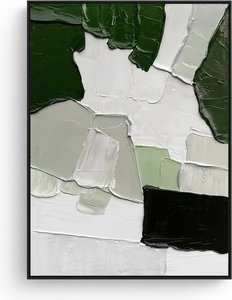 Handpainted Abstract Oil Canvas in Black Frame
Embrace Abstract Expressionism: A Handpainted Oil Canvas Masterpiece This striking oil canvas painting introduces a captivating abstract design to your living space. Layers of rich green hues – from deep forest shades to subtle olive and pale sage – ...
The impact of fine art extends far beyond the individual gift; it has the power to transform the very environment in which business is conducted. For hotels, corporate headquarters, and luxury estates, art serves as an architectural element that defines the atmosphere. Large-format murals and ceiling frescoes, painted on massive canvas rolls, allow professionals to recreate the grandeur of historical masterpieces like the Sistine Chapel within a modern setting. This integration of art into the physical workspace creates an environment of inspiration and prestige.
Furthermore, the trend toward "multi-panel" or group set paintings allows for a sophisticated, contemporary approach to large-scale walls and staircases. By splitting a single iconic composition across three, four, or five panels, one can create a sense of movement and modern architectural flow that complements high-end interior design. Whether it is a custom pet portrait that adds a touch of personal warmth to an executive office, or a grand landscape that anchors a lobby, the integration of hand-painted art ensures that the physical space becomes a continuous expression of the brand’s commitment to beauty, history, and enduring quality.