




The Digital Renaissance: Recognizing Indie Game Aesthetics as Modern Fine Art
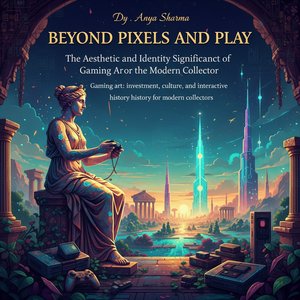 Beyond Pixels and Play: The Aesthetic and Identity Significance of Gaming Art for the Modern Collector
The Rise of Gaming as Fine Art: From Pixels to Prestige From Digital Dreams to Tangible Treasures: The Rise of Modern Fan Art Explore the vibrant world of modern fan art! Discover its evolution, cultural impact, and growing market. From digital creat...
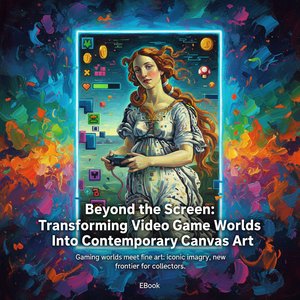
Unlike the massive, resource-heavy "AAA" productions that often chase hyperrealistic perfection, indie titles embrace a democratization of art. Within the confines of smaller development teams, we find an explosion of originality—from the haunting, melancholic landscapes of Hollow Knight to the vibrant, nostalgic pixel art of Stardew Valley. These are not merely backdrops for gameplay; they are expressions of profound artistic intent. As these digital worlds become more sophisticated and culturally pervasive, they are beginning to challenge our very definition of what constitutes a "masterpiece," moving from ephemeral moments of light and code toward a recognized visual language that captures the collective imagination of a new generation of collectors.
Case Study: Translating the Intricacy of Pixelated Worlds to Canvas
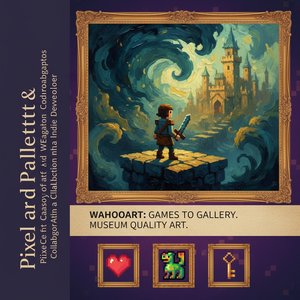 Pixel & Palette: A Case Study of Art Style Translation and Fan Engagement in a ArtsDot Collaboration with an Indie Game Developer
The Rise of Indie Game Aesthetics: Why These Worlds Deserve to Be Seen Beyond the Screen Wikipedia: Indie game An indie video game or indie game (short for independent video game) is a video game created by individuals or smaller development teams wi...
The challenge lies in the nuance of the color palette. A pixel is a mathematical value of light; a brushstroke is a physical deposit of mineral and oil. To successfully translate an indie game's aesthetic, an artist must capture the essence of the digital atmosphere without losing the crispness of its design. This involves:
- Color Fidelity: Recreating the specific, often neon or highly saturated palettes that define modern indie aesthetics.
- Detail Preservation: Ensuring that the intricate textures of a character's armor or the delicate foliage of a digital forest are not lost in the transition to heavy impasto.
- Atmospheric Depth: Translating the "glow" of a monitor into the physical depth provided by layered glazes of oil paint.
Capturing the Luminescence: Recreating Digital Light with Traditional Oil Techniques
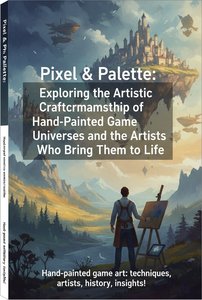 Pixel & Palette: Exploring the Artistic Craftsmanship of Hand-Painted Game Universes and the Artists Who Bring Them to Life
The Enduring Appeal of Hand-Painted Art in a Digital World Cover of 'Basic concepts of the new creative art' Discover Theo van Doesburg’s ‘Cover of ‘Basic concepts…’ – a striking De Stijl masterpiece! Explore its grid design, bold colors & Bauhaus in...
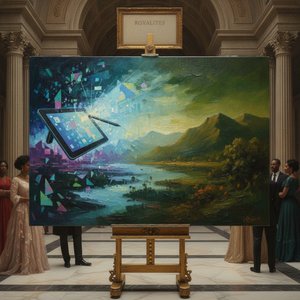
Traditional oil painting offers something that procedural generation often lacks: soul. By using techniques such as impasto, where thick layers of paint create a physical texture, artists can mimic the way light hits a digital object in a way that feels "lived-in." The use of specific oils, such as safflower for bright whites to prevent yellowing, and the application of a final Damar varnish, ensures that the luminescence of a digital sunset or a neon cityscape is preserved. This process allows us to capture the emotional resonance of a game—the way a certain light might evoke loneliness or triumph—by using the same principles used by the Old Masters to manipulate light and shadow.
From Ephemeral Code to Permanent Legacy: The Rise of Gaming Art Collectibles
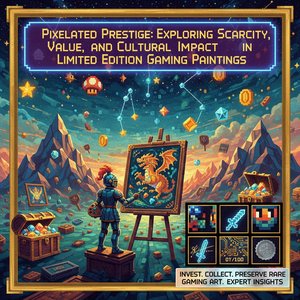 Pixelated Prestige: Exploring Scarcity, Value, and Cultural Impact in Limited Edition Gaming Paintings
The Genesis of Pixels: From In-Game Assets to Collectible Art Video game culture Video game culture or gaming culture a worldwide subculture formed by video game enthusiasts. As video games have grown more sophisticated, accessible, and popular over ...
This evolution began within the passionate grassroots communities of fans who meticulously documented concept art and recreated pixelated scenes. What started as fan-driven appreciation has matured into a formal market for limited edition releases. These are not mere prints; they are curated experiences, often accompanied by certificates of authenticity and artist signatures. This movement taps into a pre-existing collector mindset, where the scarcity of a particular in-game moment or character is translated into the physical scarcity of a hand-painted canvas. As these digital dreams become tangible treasures, they secure a permanent legacy that transcends the life cycle of the software itself.
The Intersection of Innovation and Tradition: A New Frontier in Visual Storytelling
We stand at a unique crossroads where the boundaries between the virtual and the physical are blurring. The intersection of technological innovation and classical artistry is creating a new frontier for visual storytelling. We no longer have to choose between the excitement of modern pop culture and the prestige of fine art; instead, we can celebrate them as one.This synergy allows us to reimagine our most cherished digital memories through the lens of history. Imagine a character from your favorite indie epic rendered with the dramatic chiaroscuro of a Rembrandt, or a sprawling game landscape captured with the soft, dappled light of a Monet. This is the future of art collection—a world where technology provides the inspiration, and traditional craftsmanship provides the permanence. At ArtsDot.com, we are proud to be part of this ongoing dialogue, bridging the gap between the ephemeral pixels of today and the enduring masterpieces of tomorrow.