
The Convergence of High and Low: Defining the Pop Art Revolution
 Pop icon
A pop icon is a celebrity, character, or object whose exposure in popular culture is regarded as constituting a defining characteristic of a given society or era. The usage of the term is largely subjective since there are no definitively objective c...
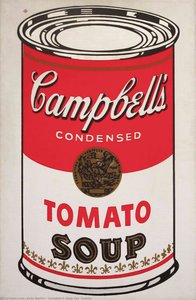
To understand the seismic shift that occurred in the mid-20th century, one must look beyond the gilded frames of traditional galleries and toward the vibrant, pulsating energy of the street. The birth of Pop Art represented a profound dissolution of the boundaries between high culture and the everyday pulse of modern life. It was a movement that dared to suggest that a soup can, a comic strip, or a silver-screen deity possessed as much semiotic weight as a Renaissance Madonna. This era challenged the heavy, emotional introspection of Abstract Expressionism, replacing it with a crisp, calculated precision that found profound meaning in the most commonplace fragments of our visual landscape.
At its core, this revolution was about the democratization of iconography. The term icon, once reserved for religious figures or historic titans like Mozart, began to find new life in the secular celebrity culture of the twentieth century. As historians have noted, the transition of iconography from high art into the realm of mass media allowed for a new kind of visual language—one that embraced ubiquity and distinction. This convergence created a dialogue where the museum masterpiece and the Sunday morning comic strip could finally meet on equal footing, forever altering our perception of what constitutes "fine art."
From Screen to Canvas: The Legacy of Warhol and Lichtenstein
 25 Iconic Roy Lichtenstein Masterpieces That Defined Pop Art
Introduction To step into the world of Roy Lichtenstein is to enter a vibrant, pulsating dialogue between high culture and the everyday pulse of the street. Imagine walking through a gallery where the boundaries between a museum masterpiece and a Sun...
The architects of this movement, most notably Andy Warhol and Roy Lichtenstein, did not merely observe the American landscape; they amplified its rhythms. Warhol, the undisputed king of Pop Art, transformed the repetitive, mass-produced textures of consumerism into a profound visual language. By utilizing the mechanical nature of silkscreen printing, he captured the heartbeat of celebrity obsession and the glittering surface of the American Dream. His work, such as the vibrant Mickey or his hauntingly beautiful celebrity portraits, suggests that in an age of infinite reproduction, the image itself becomes the ultimate commodity.
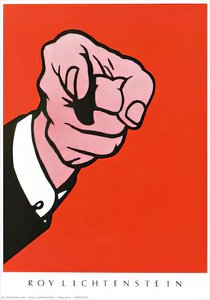
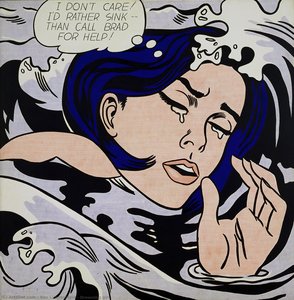
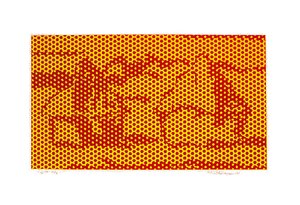
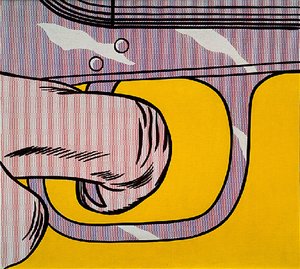
In a parallel trajectory, Roy Lichtenstein sought to bridge the gap between the gallery and the printed page. He replaced the visceral brushstrokes of his predecessors with the meticulous application of Ben-Day dots and bold, primary colors. His work interrogated the very fabric of post-war consumerism, elevating the aesthetics of advertising and industrial printing to a status of high sophistication. Through his lens, the ephemeral imagery of mass media was frozen into something permanent and iconic. These legacies continue to resonate in our digital age, where we remain saturated by a constant stream of rapid-encoded visual stimuli.
Deconstructing the Icon: How Mass Media Becomes Fine Art
 Mickey
A Pop Icon Reimagined: Exploring Andy Warhol’s ‘Mickey’ Andy Warhol's 1982 painting, *Mickey*, is a quintessential example of Pop Art’s power to elevate popular culture to the realm of fine art. This vibrant and instantly recognizable work doesn’t si...
The process of deconstruction is central to the Pop Art ethos. When an artist takes a globally recognized figure—a character like Mickey Mouse or a contemporary pop icon—and re-presents them through a stylized lens, they are performing a complex study of identity and branding. This is not merely a reproduction; it is an interpretation that strips away superficial layers to reveal a graphic essence. By reducing complex facial features into high-contrast silhouettes or rhythmic patterns, the artist prompts the viewer to consider themes of consumerism, fame, and the nature of image reproduction in modern society.
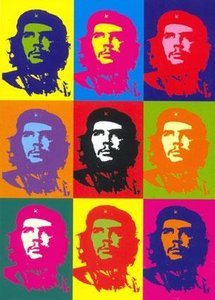
This deconstruction often utilizes a sense of "mechanical" precision to mirror how we consume icons today: repeatedly, through layers of media, until they become part of our collective visual DNA. Whether it is through the hypnotic visual cadence of a quadriptych or the symmetrical grid of vibrant, stylized icons, the goal is to find a state of equilibrium between the chaos of fame and the stability of art. This transformation allows us to examine our relationship with media consumption through a lens of sophisticated irony, finding depth within the very surface of the image.
The Alchemy of Mediums: Translating Graphic Prints into Oil Masterpieces
Oil painting reproductions are paintings that have been created by copying in oils an original oil painting by an artist. Oil painting reproductions are distinct from original oil painting such as are often of interest to collectors and museums. Oil ...
There is a profound magic that occurs when the flat, graphic language of Pop Art is translated into the tactile, multidimensional world of oil on canvas. While the original movement often embraced the "mechanical" feel of silkscreen and printing, there is an incomparable richness in returning to traditional techniques. A hand-painted oil reproduction offers something a digital print can never achieve: the visible brushstroke, the impasto texture, and a deeper tonal range that breathes life into the composition.
When an artist meticulously recreates a high-contrast graphic work using oils, they introduce a soulful texture to the geometric forms. The use of flexible gesso and specific oils, such as safflower for whites to prevent yellowing, ensures that the vibrant CMYK-inspired palettes—vivid cyan, electric magenta, and sunny yellow—remain luminous for generations. This alchemy transforms a piece of "reproducible" media into a singular, monumental object of fine art, where the tension between the modern subject and the classical medium creates a breathtaking visual experience.
Modernizing Tradition: Custom Commissions and Period Shifts
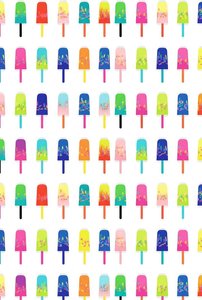 Chromatic Rhythms in a Symmetrical Grid of Vibrant Pop Art Icons
A Symphony of Color and Order Chromatic Rhythms in a Symmetrical Grid of Vibrant Pop Art Icons is a breathtaking exploration of modern graphic harmony. This piece presents a meticulously structured tessellation of stylized icons, arranged in a rhythm...
One of the most exciting frontiers in contemporary art appreciation is the ability to "remix" history. The concept of the "Period Shift" allows for a creative dialogue between eras, where a modern photograph or a contemporary selfie can be reimagined through the lens of a historical master. Imagine a modern portrait executed with the light-drenched, ethereal quality of Monet, or a personal milestone transformed into a dramatic, chiaroscuro masterpiece in the style of Rembrandt.
This level of customization extends to the very structure of the artwork itself. Through advanced techniques, we can split a single iconic image across three, four, or even five panels, creating a multi-panel trend that suits wide architectural spaces like staircases or grand halls. This allows for a seamless flow of color and brushwork across a large-scale installation, turning a beloved pop culture moment into a sophisticated, modern architectural element. It is an invitation to participate in the evolution of art history, blending personal memory with academic excellence.
Preserving the Ephemeral: The Longevity of Hand-Painted Reproductions
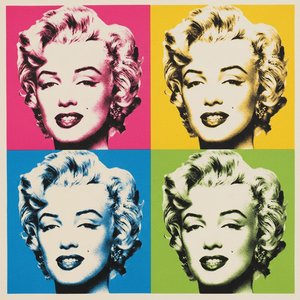 Chromatic Echoes of an Icon: A Quadriptych of Rhythmic Pop Art Brilliance
A Symphony of Color and Iconography In the vibrant intersection where celebrity culture meets graphic mastery, Chromatic Echoes of an Icon: A Quadriptych of Rhythmic Pop Art Brilliance emerges as a breathtaking exploration of modern fame. This extrao...
In an era defined by the ephemeral nature of digital screens and fleeting social media trends, there is a growing desire for permanence. A hand-painted oil reproduction serves as an anchor in a world of rapid change. Unlike mass-produced posters or computer-printed giclées that lack physical depth, an authentic oil painting on 100% cotton canvas is a lasting legacy. Each work is a labor of passion, signed by artists who hold degrees from prestigious Fine Arts academies, ensuring that the craftsmanship meets museum-grade standards.
To ensure these works endure, rigorous scientific principles are applied to the materials. The application of a final coat of Damar varnish protects the surface from dust, moisture, and atmospheric pollutants, while the use of archival-quality pigments ensures that the colors do not fade. Whether it is a custom commission or a reproduction of a canonical masterpiece, these works are engineered for longevity, providing a window into both the vibrant energy of pop culture and the enduring strength of classical fine art. For those seeking to bring this level of sophistication to their collection, ArtsDot.com offers an unparalleled gateway to owning these timeless intersections of history and modern iconicity.