The Essence of Quiet Luxury: Beyond Conspicuous Consumption
 Quiet luxury
Quiet luxury is a lifestyle characterized by understated elegance and refined consumption, emphasizing exclusivity and discerning taste without overt displays of wealth. Other terms related to the concept include stealth wealth, old money aesthetic, ...
In the contemporary landscape of high society, a profound shift has occurred—a movement away from the loud, logo-laden displays of wealth toward a more nuanced aesthetic known as quiet luxury. This philosophy of refined consumption emphasizes exclusivity and discerning taste through understated design and high-quality materials rather than overt markers of economic status. It is an aesthetic that finds its soul in the subtle, where true prestige is whispered through texture, muted tones, and a sense of timelessness that transcends the ephemeral whims of modern trends. To embrace quiet luxury is to reject the frantic pulse of the temporary in favor of something permanent and deeply personal.
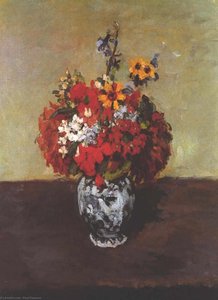
True grandeur is not found in the mere presence of gold leaf or silk drapery, but in an atmosphere of curated elegance where every shadow and highlight speaks of a life well-lived. This lifestyle, often referred to as stealth wealth or the old money aesthetic, prioritizes craftsmanship and the intrinsic value of objects. In this realm, luxury is defined by the ability to surround oneself with items that possess depth and historical resonance. It is about the quiet confidence of a perfectly composed space, where the most significant statements are often the ones made without a single word, relying instead on the profound emotional impact of aesthetic mastery.
A Dialogue with History: The Curatorial Power of Masterpieces
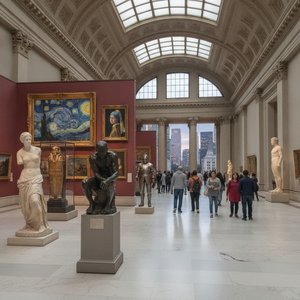 25 Must-See Masterpieces at The Metropolitan Museum of Art, New York
Introduction To step through the grand Beaux-Arts doors of the Metropolitan Museum of Art is to leave the frantic pulse of New York City behind and enter a sanctuary where time itself seems to decelerate. It is not merely a museum; it is a vast, brea...
To step into a magnificent interior is to enter into a silent, ongoing dialogue with history. The curation of art is perhaps the most potent tool in this endeavor, allowing a collector to weave historical narratives into the very fabric of their living space. When we bring canonical masterpieces into our homes, we are not merely decorating; we are inviting the legends of the past to reside with us. Whether it is the atmospheric beauty of Gustave Caillebotte’s
Paris Street; Rainy Day, which evokes a sense of nostalgia for the bustling, modernized streets of late 19th-century Paris, or the vibrant, light-drenched canvases of the Impressionist masters, these works act as windows to different eras.
Each selection serves as a cornerstone of cultural identity, imbuing a room with a mood of incomparable grace and worldly distinction. A collection of masterworks allows a space to transcend its physical boundaries, offering an escape into realms of permanence. By selecting pieces that resonate with personal values—perhaps the meticulous realism of Caillebotte or the geometric sophistication found in Paul Cézanne’s
Basket of Apples—a collector creates a sanctuary of intellect and emotion. This practice of curation transforms a house into a museum of personal significance, where the weight of history provides a sense of stability and profound cultural connection.
Tactile Sophistication: The Superiority of Hand-Painted Oils over Digital Prints
 10 Opulent Masterpieces That Define Pure Luxury
Introduction To step into a room adorned with true grandeur is to experience more than mere wealth; it is to encounter an atmosphere of curated elegance, where every shadow and highlight whispers of prestige. When we speak of luxury in the context of...
In an age increasingly dominated by digital fleetingness, there is a growing hunger for the tactile and the real. This is where the distinction between a mere print and a handmade oil reproduction becomes paramount. A Giclée or digital print, while visually accurate, remains a flat, two-dimensionally rendered image—a product of light and ink that lacks the physical soul of a true painting. In contrast, a hand-painted oil reproduction on 100% cotton canvas offers a sensory experience that is impossible to replicate digitally. It possesses the heavy texture of an impasto stroke, where the artist’s hand is visible in every deliberate movement of the brush.
The depth of a real oil painting comes from the meticulous layering of pigments and the use of specific oils, such as safflower for whites to prevent yellowing, ensuring that the luminous tones remain vibrant for generations. The physical presence of the paint creates a play of light and shadow across the surface, a phenomenon known as the impasto effect, which provides a much deeper tonal range than any computer-printed poster. When one can feel the ridges of the brushwork and see the subtle variations in color caused by the human hand, the artwork ceases to be an object of decoration and becomes a living, breathing entity. This tactile sophistication is the hallmark of a true connoisseur, recognizing that the essence of luxury lies in the authentic, the labored, and the beautifully imperfect.
Architectural Narratives: Transforming Interiors through Canonical Art
 Elevate Luxury Interiors: How Custom Masterpiece Reproductions Complete Your Design
The Art of Curation: Defining Luxury Through Historical Narrative Renoir's Masterpieces: Explore 25 Iconic Paintings & Bring Art Home | ArtsDot Introduction To embark on a journey through the top 25 artworks of Pierre-Auguste Renoir is to step into ...
Art possesses the unique ability to alter the very architecture of a room, acting as a structural element that defines the character of a space. For those designing high-end interiors, the use of large-format works, such as custom murals or ceiling frescoes, can recreate the grandeur of historical landmarks like the Sistine Chapel within a modern residence. These monumental pieces do not merely sit upon a wall; they command the architecture, directing the eye and establishing a sense of scale and importance. The integration of multi-panel layouts—splitting a single iconic image across three, four, or even five panels—allows for a seamless flow of color and composition across wide walls or grand staircases, creating a contemporary architectural rhythm.
Beyond large-scale installations, the placement of masterworks can serve to anchor a room's design palette. A carefully chosen landscape can introduce organic textures that soften a minimalist space, while a structured portrait can provide a focal point of gravity in a light-filled hall. The strategic use of art allows an interior designer to manipulate the perceived boundaries of a room, using the depth and perspective found in works like Caillebotte’s urban scenes to create an illusion of expanded space. Through this thoughtful application, art becomes an essential component of the architectural narrative, turning a physical structure into a curated experience of beauty and history.
The Art of the Remix: Customizing History for the Modern Collector
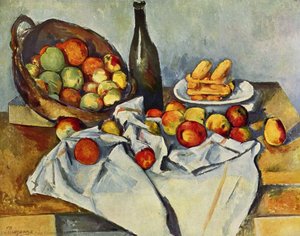 Basket of Apples
The Essence of Everyday Beauty Paul Cézanne's "Basket of Apples" (1895) is a masterful still life that captures the ordinary with extraordinary flair. This vibrant composition features a basket brimming with apples and pears, accompanied by bread rol...
One of the most exciting frontiers in contemporary art collecting is the ability to "remix" history, blending the venerable traditions of the past with the personal milestones of the present. This level of customization allows a collector to move beyond passive appreciation into active creation. Through advanced techniques, it is now possible to request a "Period Shift," where a modern photograph or even a contemporary selfie is transformed into a 17th-century masterpiece in the style of Rembrandt, complete with the dramatic chiaroscuro and rich, dark tones characteristic of the era.
This creative freedom extends to stylistic experimentation, such as requesting that a personal portrait be executed in the vibrant, expressive impasto style of Van Gogh or the light-drenched, ethereal approach of Monet. Furthermore, the ability to combine elements from different images—such as merging family members from separate photographs into a single, cohesive group portrait—offers a way to memorialize legacies with unprecedented artistry. This intersection of technology and tradition ensures that while we honor the masters, we also celebrate our own stories, creating bespoke treasures that are both historically grounded and deeply personal.
Preserving the Legacy: Longevity, Materials, and the Science of Fine Art
 Netherlands Institute of Cultural Heritage
About the Netherlands Institute of Cultural Heritage The Netherlands Institute of Cultural Heritage (ICN) stands as a beacon of scholarly dedication to safeguarding Dutch artistic legacy and historical memory. Situated in Rijswijk, a charming municip...
The true value of a fine art investment lies in its ability to endure, serving as a lasting memory for generations. Achieving this longevity requires more than just artistic talent; it demands a rigorous commitment to the chemistry of art. The use of high-quality materials is non-negotiable. Professional artists utilize flexible gesso to prevent the cracking of the paint layer and employ specific oils to maintain the clarity and brilliance of the pigments over decades. Every masterpiece is finished with a protective coat of Damar varnish, which acts as a shield against dust, moisture, and the atmospheric pollutants that can degrade even the finest works.
To protect such an investment, understanding the science of preservation is essential for any collector. Proper care involves avoiding direct sunlight to prevent fading and utilizing acid-free matting to create an air gap between prints and glass, preventing moisture buildup. Whether one is acquiring a handmade oil reproduction or a museum-quality print, the goal remains the same: the safeguarding of beauty. By adhering to these high standards of craftsmanship and conservation, we ensure that the profound emotional impact and historical significance of these works remain undiminished, allowing the legacy of the masters to continue inspiring the collectors of tomorrow.
For those seeking to explore these timeless treasures or begin their own journey of curation, visit ArtsDot.com for unparalleled access to the world's most iconic masterpieces.