
The Sensory Symphony: Art as an Extension of the Oenological Experience
 Cultivating Ambiance: A Curatorial Guide to Art Selection for Wine Cellars and Tasting Rooms – Enhancing Oenological Experience Through Landscape, Symbolism, and Interior Harmony
The Sensory Symphony: Art's Role in Elevating the Oenological Experience Wikipedia: Government Wine Cellar The Government Wine Cellar (GWC) is a provider of wine to support the hospitality work of the United Kingdom's government. It was founded in 19...
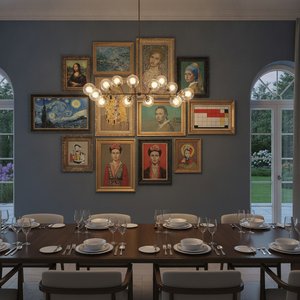
To truly appreciate a fine vintage is to engage in a holistic sensory ritual that transcends the mere act of tasting. For the discerning restaurateur and cellar owner, wine is far more than a beverage; it is a cultural artifact, a liquid testament to time, place, and human dedication. While the palate seeks notes of fruit, earth, and tannin, the eyes seek an environment that mirrors this complexity. A thoughtfully curated collection within a tasting room or cellar acts as a silent storyteller, deepening the resonance of each sip by engaging the visual senses in a symbiotic dance with the olfactory.
The most successful hospitality spaces understand that art is not merely decorative; it is an extension of the winemaking philosophy itself. Just as a sommelier describes the structure and soul of a Cabernet Sauvignon, a well-placed masterpiece provides a visual anchor that elevates a functional storage space into a sanctuary for contemplation. When we surround our guests with the luminous spirit of history, we invite them to slow down, encouraging a profound connection between the liquid in their glass and the evocative textures of light and shadow on the walls.
Terroir on Canvas: Using Landscape Paintings to Evoke Sense of Place
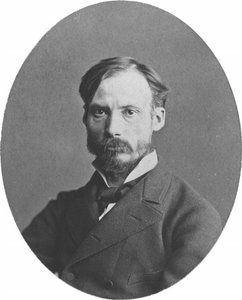
 List of paintings by Claude Monet
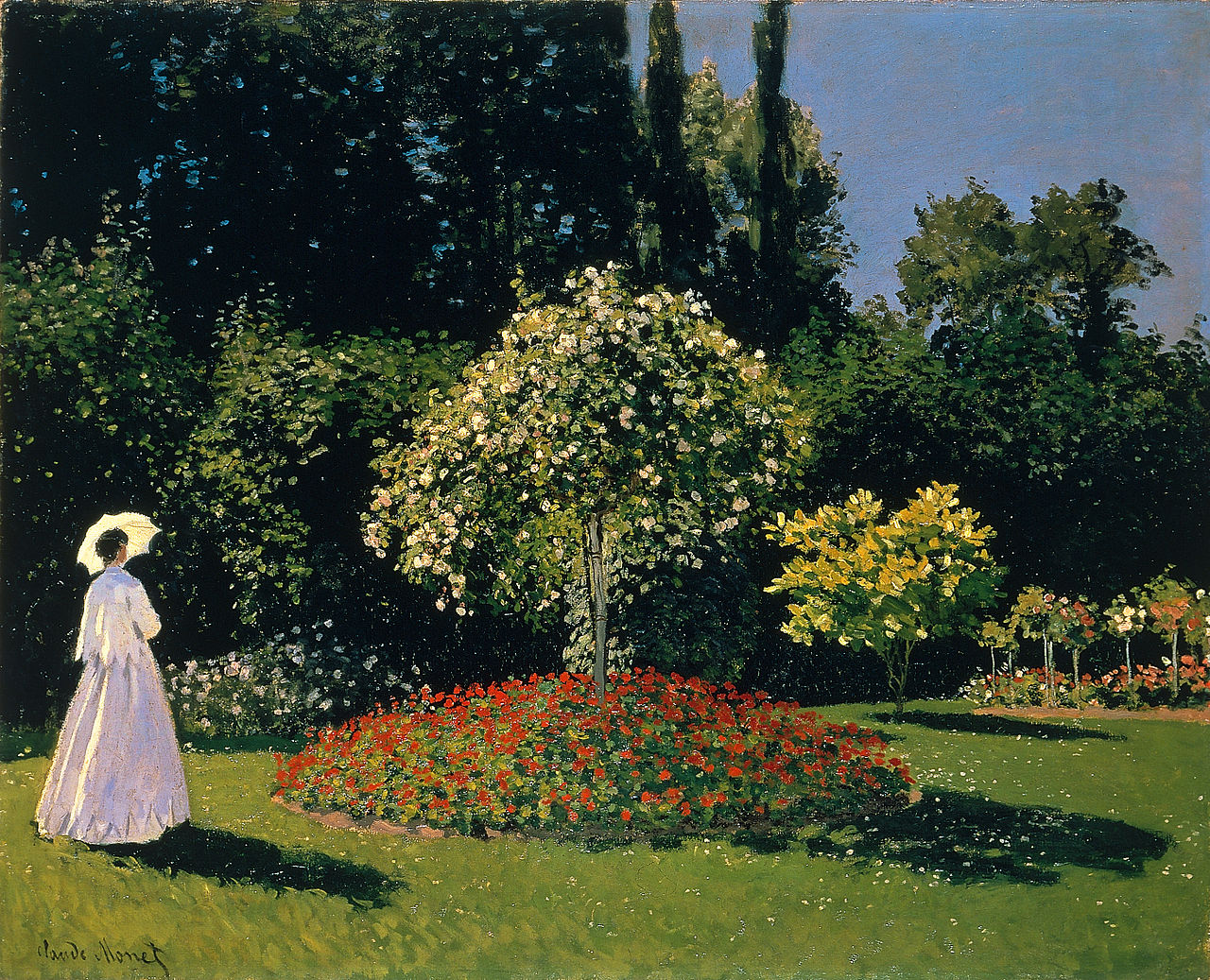
This is a list of works by Claude Monet (1840–1926), including all the extant finished paintings but excluding the Water Lilies, which can be found here, and preparatory black and white sketches. Monet was a founder of French impressionist painting, ...
The concept of terroir—the unique environmental fingerprint of soil, climate, and topography—is the very heartbeat of viticulture. Because wine is so inextricably linked to its origin, landscape paintings become particularly potent symbols within a wine-centric environment. To hang a sweeping vista or a pastoral scene is to visually articulate the essence of the vineyard itself. These works serve as windows into the earth, allowing the guest to perceive the sunlight and rain that shaped the very grapes they are currently enjoying.
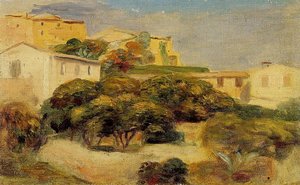
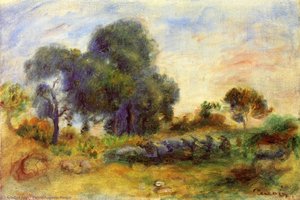
Consider the profound impact of Impressionist landscapes, such as those by Claude Monet, which capture the fleeting, atmospheric changes of light across a landscape. By utilizing broken brushstrokes and a prismatic palette, these works celebrate the beauty of the everyday and the ephemeral nature of time—a sentiment that resonates deeply with the aging process of fine wine. When a guest gazer upon a sun-drenched meadow or a tranquil water scene, they are not just looking at paint on canvas; they and are experiencing a visual echo of the natural elements that define the vintage.
Atmospheric Anchors: Selecting Masterpieces for Intimate Tasting Rooms
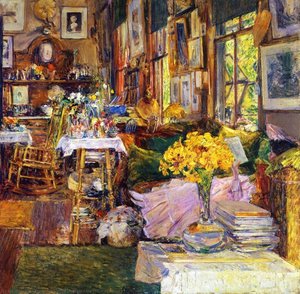 the room of flowers
A Moment of Domestic Tranquility: Exploring Frederick Childe Hassam's "The Room of Flowers" Frederick Childe Hassam’s “The Room of Flowers,” painted in 1894, is more than just a depiction of an interior; it’s a carefully constructed evocation of Amer...
In the intimate setting of a tasting room, the challenge lies in finding the perfect tension between visual impact and atmospheric comfort. The goal is to curate an environment of warmth, prestige, and timelessness. For smaller, more enclosed spaces, works that evoke domestic tranquility and refined elegance are paramount. One might look to the subtle beauty found in Frederick Childe Hassam’s The Room of Flowers, where a warmly lit interior brimming with quiet elegance can transform a small tasting nook into a sophisticated salon.
Selecting art for these spaces requires an eye for compositional balance. A painting that is too chaotic may disrupt the contemplative mood required for tasting, whereas a work with too much stillness might fail to stimulate interest. The ideal selection often features a harmonious blend of warm earth tones—ochres, browns, and deep reds—punctuated by cooler accents that provide depth. By choosing pieces that act as focal points without overwhelming the room, a proprietor can anchor the space, sparking conversation and providing a soulful backdrop that nurtures the appetite for beauty.
Light and Shadow: Curating Mood through Impressionist and Baroque Techniques
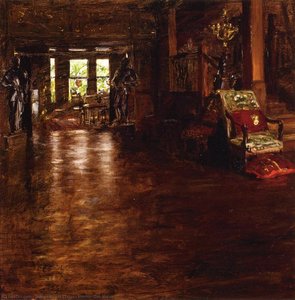 Interior, Oak Manor
William Merritt Chase’s ‘Interior, Oak Manor’: A Window into American Impressionism William Merritt Chase's Interior, Oak Manor (1899) is more than just a depiction of a domestic scene; it’s a carefully constructed evocation of comfort, light, and th...
The manipulation of light is perhaps the most powerful tool in a curator's arsenal. In the darker, more mysterious confines of a wine cellar, the use of chiaroscuro—the dramatic interplay of light and shadow characteristic of the Baroque era—can create an atmosphere of profound mystery and prestige. Such techniques lend a weight of heritage to the room, making the space feel as though it has been inhabited by connoisseurs for centuries.
Architectural Grandeur: Large-Format Murals and Multi-Panel Compositions for Cellars
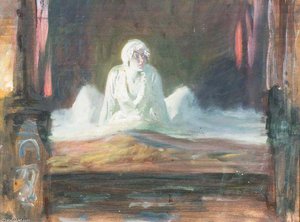
 A Tropical Fantasy Charles Reilly's Dining Room Mural (panel 6 of 6)
Discover Mary Adshead’s ‘A Tropical Fantasy,’ a vibrant 1926 Art Deco mural featuring lush landscapes & symbolic figures. Explore this unique panel of a stunning dining room commission.
For larger architectural spaces, such as grand banquet halls or expansive cellar corridors, standard-sized canvases may lack the necessary scale to command attention. In these instances, the use of large-format murals and frescoes can transform a wall into a breathtaking historical epic. Imagine a ceiling reimagined with the grandeur of a Renaissance fresco, or walls adorned with massive canvas rolls that recreate the majesty of classical architecture. These works allow for a total immersion in art, turning a structural element into a centerpiece of awe.
Furthermore, the modern trend of multi-panel or "split" paintings offers a sophisticated way to navigate wide, contemporary walls or staircases. By distributing a single masterpiece across three, four, or five panels, one creates a rhythmic, architectural flow that guides the eye through the space. This technique ensures that the brushstrokes and colors flow seamlessly across the expanse, providing a cohesive and modern aesthetic that maintains the academic integrity of the original composition while embracing contemporary design sensibilities.
The Curator's Final Note: Preserving the Legacy of Your Collection
Investing in fine art for a commercial or private wine space is an act of legacy-building. To ensure these works endure alongside your finest vintages, one must consider the chemistry of preservation. True museum-quality reproductions, such as those we provide at ArtsDot.com, are hand-painted on 100% cotton canvas using specialized oils and damar varnishes to protect against moisture and atmospheric pollutants. This commitment to material excellence ensures that the vibrant pigments and textured brushstrokes remain as striking in fifty years as they are on the day of installation.
Whether you are seeking to transform a personal milestone into a masterpiece through our custom photo-to-oil services, or looking to adorn your estate with a meticulously crafted replica of a Monet landscape, the goal remains the same: to create an environment where art and wine converge. By treating your walls as a curated gallery, you do more than decorate a room; you cultivate a sensory symphony that will resonate with every guest, for generations to come.