
The Silent Ambassador: Art as a Narrative Tool for Brand Identity
 Beyond Decor: Why Hospitality Leaders Choose Curated Art Collections Over Random Frames
The Narrative Thread: Art as the Silent Ambassador of Brand Identity Elevate Hotel Luxury: Transform Your Space with Curated Impressionist Art Collections The Soul of Hospitality: Art as a Narrative Tool for Luxury Hotels Elevating Hospitality Aesthe...
In the rarefied air of luxury hospitality, true distinction is rarely found in the mere accumulation of expensive amenities. The discerning traveler, seeking refuge from the frenetic pace of modern existence, looks for something far more profound than gold-plated fixtures or high-thread-count linens; they seek an atmosphere that whispers of story, culture, and soul. For the visionary hotel designer, a wall is never merely a boundary; it is a canvas awaiting a narrative. When a space is curated with intention, art acts as the silent ambassador of the guest experience, anchoring a brand identity in historical continuity and sophisticated elegance.
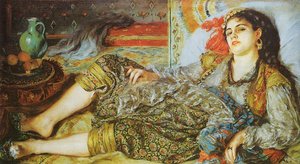
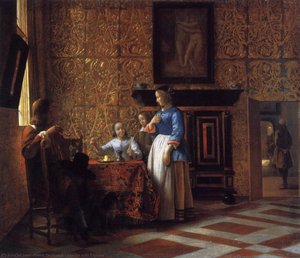
To enter a room adorned with fine art is to step into a curated narrative, where every brushstroke and pigment choice whispers a story of heritage and personal identity. The strategic deployment of art allows for the creation of an emotional connection that remains with the guest long after their departure, imbuing the property with an air of established authority and timelessness. Whether it is the commanding presence of Baroque realism or the delicate intimacy of the Impressionist movement, the selection of artwork serves as a fundamental pillar of brand storytelling. By integrating fine art, designers can establish an emotional resonance that lingers in the memory, turning every corridor into a gallery and every suite into a personalized retreat.
Beyond the Frame: Curating Immersive Impressionist Collections
 10 Iconic Impressionist Landscapes That Changed Art Forever
Introduction To step into the world of Impressionist landscapes is to abandon the rigid boundaries of reality and embrace the fleeting dance of light and atmosphere. Imagine standing on the banks of the Seine or amidst a sun-drenched meadow in Givern...
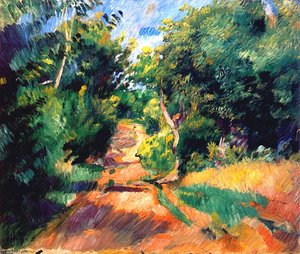
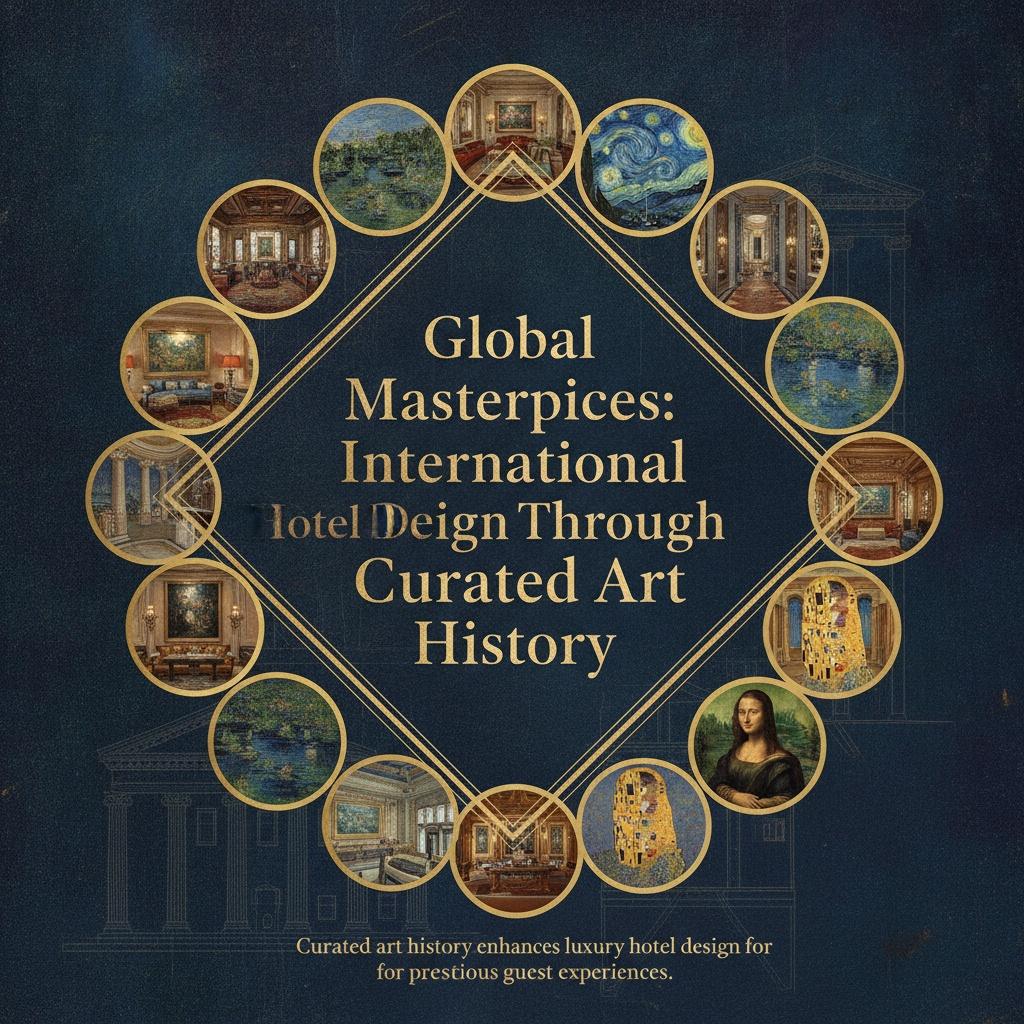
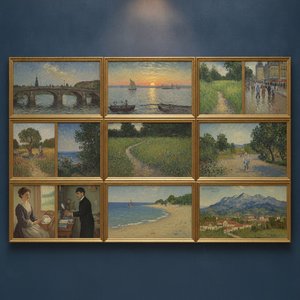
To step into the world of Impressionist landscapes is to abandon the rigid boundaries of reality and embrace the fleeting dance of light and atmosphere. For the hospitality professional, moving beyond random frames toward curated collections offers a way to transport guests to sun-drenched meadows in Giverny or the shimmering banks of the Seine. This movement did not seek to document the world with photographic precision; instead, it sought to capture the impression—that ephemeral, breathless moment before the light shifts and the transitions occur. By selecting works from masters like Monet, Renoir, or Pissarro, a designer can infuse a lobby or lounge with a sense of perpetual, luminous beauty.
The power of such a collection lies in its ability to evoke a universal language of emotion and perception. In an era often defined by digital perfection and static imagery, the textured depth of an Impressionist canvas reminds us of the beauty found in imperfection and the transient nature of time. When a hotel chooses to curate specifically with Post-Impressionist masters like Van Gogh or Gauguin, they are not merely decorating; they are inviting guests into a world of vibrant, broken palettes and energetic brushstrokes that mimic the flickering movement of leaves and the hazy warmth of a summer afternoon.
The Gastronomic Stage: Using Light and Color to Define Dining Atmospheres
 The Gastronomic Stage: Interior Design as Narrative Framework in the Contemporary Restaurant Experience
The Evolving Narrative: From Functional Space to Immersive Experience For centuries, the restaurant existed primarily as a practical necessity – a place to refuel. But the modern appetite extends far beyond sustenance; it craves connection, story, an...
The modern appetite extends far beyond sustenance; it craves connection, story, and atmosphere. We have entered an era where dining is performance, and the restaurant itself has become a stage. This transformation is not merely about aesthetics; it is a fundamental shift in how we perceive and interact with food, driven by a desire for experiences that resonate on an emotional level. Art plays a pivotal role in this gastronomic stage, acting as the atmospheric anchor that defines the mood of the dining room.
Consider the profound impact of color temperature and light manipulation through art. A restaurant might draw inspiration from Van Gogh’s Interior of a Restaurant, where deep reds and ochres create an inviting, almost theatrical atmosphere, suggesting warmth and convivium. Conversely, a more contemplative space might utilize the meticulous grayscale strokes of an early sketch to provide a study in perspective and subtle human nuance. The use of color—whether it be the warm, saturated palette that suggests energy or the cooler blues that establish depth—allows a designer to direct the guest's emotional journey from the moment they are seated.
Architectural Grandeur: Integrating Large-Format Murals and Multi-Panel Masterpieces
 Interior design
Interior design is the art and science of enhancing the interior of a building to achieve a healthier and more aesthetically pleasing environment for the people using the space. With a keen eye for detail and a creative flair, an interior designer is...
For the architecturally ambitious, art must transcend the limitations of standard dimensions. The integration of large-format murals and frescoes offers a way to recreate historical grandeur within contemporary structures. These works, often painted on massive canvas rolls, allow designers to transform ceilings or expansive feature walls into breathtaking focal points, much like the storied ceilings of the Renaissance. This approach allows for a seamless blending of art and architecture, where the painting becomes an inseparable part of the building's skin.
Furthermore, the modern trend toward multi-panel or group set paintings provides a sophisticated solution for wide walls or grand staircases. By splitting a single, cohesive image across three, four, or five panels, a designer can create a rhythmic, contemporary look that maintains the flow of color and brushstroke across a vast space. This technique ensures that even the most expansive architectural voids are filled with a sense of purpose and artistic continuity, preventing the "empty wall" syndrome that often plagues large-scale hospitality design.
The Tactile Experience: Why Hand-Painted Textures Outperform Digital Prints
 Level Up Your Restaurant Decor: A Buyer's Guide to Bold Art Reproductions for High-Impact Interiors
The Death of Minimalism: Why Your Restaurant Needs a Visual Jolt Pop Art & Dopamine Decor: A Professional Guide to Bold Maximalist Interiors for High-Impact Hospitality Design The Rise of Dopamine Decor: Moving Beyond Sterile Minimalism in Hospitalit...
In the pursuit of true luxury, the medium is as vital as the subject. While high-quality Giclée prints offer accessibility, they lack the soul found in a handmade oil reproduction. A digital print, no matter how accurate the color, remains a flat, computer-printed surface. In contrast, a hand-painted work on 100% cotton canvas offers a palpable sense of texture and movement through visible impasto layers. The physical presence of the brushstroke—the way the paint catches the light and creates subtle shadows—provides a depth of tonal range that a print simply cannot replicate.
This tactile dimension is essential for creating an environment of prestige. When guests can perceive the artist's hand, they are connecting with a piece of human craftsmanship. The use of specialized materials, such as flexible gesso to prevent cracking or specific oils to ensure the longevity of whites, ensures that these investments remain vibrant for generations. For the designer, choosing the textured depth of an oil painting over the smoothness of a print is a commitment to authenticity and a rejection of the sterile minimalism that often lacks emotional weight.
Strategic Curation: Tailoring Art Selection for Luxury Hotel Suites and Personal Retreats
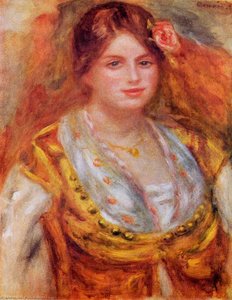
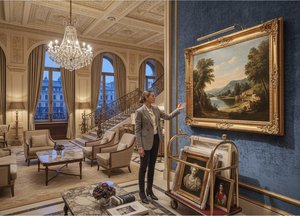
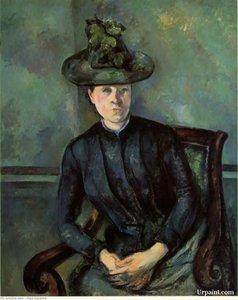
The final layer of successful hospitality design lies in the nuance of scale and intimacy. While grand lobbies demand commanding, large-scale works, the private suites and executive lounges require a more delicate touch. Here, the curation shifts toward intimate glimpses—works that invite quiet observation and personal reflection. A suite adorned with a small, evocative landscape or a beautifully rendered portrait can transform a standard room into a personalized retreat, fostering a sense of belonging and sanctuary for the guest.
Strategic curation also involves the ability to "remix" history to suit modern needs. Through bespoke services, a designer can request that a contemporary photograph be reimagined in the light-drenched style of Monet or the expressive impasto of Van Gogh. This level of customization allows for a unique synergy between the hotel's specific aesthetic and the timeless allure of the Impressionist masters. Ultimately, the goal is to create a cohesive environment where every piece of art feels as though it has always belonged, contributing to an unforgettable, multi-sensory experience that defines the very essence of luxury.
For more information on bespoke art commissions and professional curation services, visit ArtsDot.com.