The Soul of the Suite: Art as an Immersive Hospitality Experience
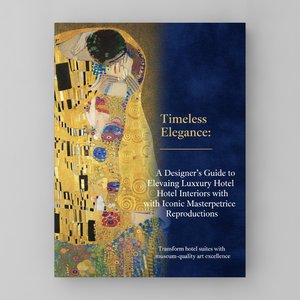 Timeless Elegance: A Designer's Guide to Elevating Luxury Hotel Interiors with Iconic Masterpiece Reproductions
The Soul of the Suite: Art as an Immersive Hospitality Experience Elevating Hospitality Aesthetics: Museum-Quality Art for Luxury Hotels The Transformative Power of Art in Luxury Hospitality Wikipedia: Peace Hotel The Peace Hotel (Chinese: 和平饭店, piny...
In the rarefied atmosphere of luxury hospitality, a hotel room is far more than a mere arrangement of fine linens and soft lighting; it is a curated sanctuary designed to offer a momentary departure from the frantic pace of global travel. For the discerning traveler, true luxury resides in the ability to find stillness within a space that breathes soul. While architecture provides the bones of a single building, it is the presence of profound art that provides its heartbeat. When a guest encounters a masterpiece—even a meticulously rendered reproduction—within the intimate confines of their suite, the boundaries between a transient lodging and a memorable destination begin to dissolve.
There is a unique, quiet magic in this encounter, where the grandeur of human history meets the private quietude of a retreat. Stepping into a well-appointed hotel room is often an exercise in seeking sanctuary—a space of curated tranquility. The presence of profound art breathes life into these rooms, transforming them from mere accommodations into evocative journeys through culture and emotion. By treating each room as a gallery of unforgettable experiences, designers can create spaces that resonate deeply with the human condition, offering guests a sense of connection to the timeless beauty of our collective visual heritage.
The Impressionist Narrative: Establishing Brand Heritage through Light and Color
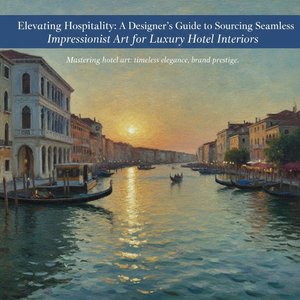 Elevating Hospitality: A Designer's Guide to Sourcing Seamless Impressionist Art for Luxury Hotel Interiors
The Silent Ambassador: Establishing Brand Heritage through Impressionist Narratives Timeless 19th Century Art Reproductions: A Strategic Procurement Guide for Hotel and Hospitality Interior Designers The Strategic Role of 19th Century Art in Hospital...
In the realm of high-end design, a hotel's visual narrative serves as its silent ambassador. For the discerning designer, every corridor and lounge is an opportunity to weave a story of permanence and prestige. When we look toward the Impressionist movement—the luminous worlds of Monet, Renoir, Pissarro, and Degas—we find a profound tool for brand storytelling. These works do not simply occupy space; they anchor a property in an era of perceived elegance, transforming transient guest quarters into curated journeys of historical continuity.
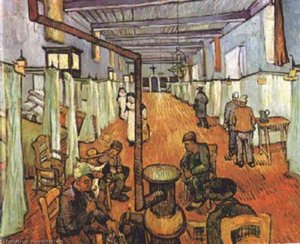
Unlike the fleeting trends of contemporary abstraction, the Impressionist focus on light, color, and atmosphere provides a psychological anchor for the guest. The strategic use of 19th-century art allows a hotel to evoke an immediate sense of established authority. Consider the impact of integrating the soft, light-drenched landscapes or the intimate, dappled sunlight found in Post-Impressionist interiors; such choices invite a moment of peaceful contemplation, imbuing the property with an air of sophisticated calm that lingers in the memory long after departure. Through these luminous narratives, a hotel establishes its identity not through logos, but through the evocative power of color and light.
Beyond Decoration: Creating Emotional Resonance with Masterpiece Reproductions
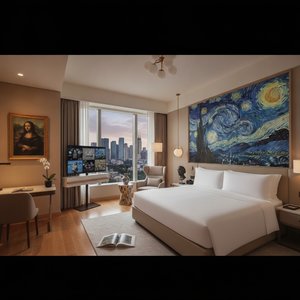 10 Iconic Masterpieces to Elevate Your Hotel Room Decor
Introduction Stepping into a well-appointed hotel room is often an exercise in seeking sanctuary—a momentary departure from the frantic pace of travel into a space of curated tranquility. While fine linens and soft lighting provide physical comfort, ...
The paintings we select for luxury interiors are more than just decorative elements; they are the canonical pillars of our collective visual heritage. From the ethereal, light-drenched landscapes to the vibrant, swirling energy of a Post-Impressionist sky, these images possess a restorative power that complements the restorative purpose of a hotel stay. There is a profound emotional resonance in encountering works like Degas’
Dancers in Pink, where the grace and movement of ballet are captured with Impressionist brilliance. Such pieces invite viewers into a dynamic realm where elegance converges, creating an atmosphere of vitality within a lobby or lounge.
Furthermore, the ability to evoke serenity through art can define the mood of a private retreat. A piece such as John Singer Sargent’s
Capri, with its soft, natural light and lush foliage, can transport a guest to a picturesque Mediterranean escape, fostering feelings of peace and introspection. Even the beauty found in the ordinary, as seen in Paul Cézanne’s
Basket of Apples, can elevate a space by radiating artistic sophistication through simple, masterful compositions. These works carry with them centuries of human emotion and technical triumph, offering guests a window into the past that invites them to pause, reflect, and connect with the enduring beauty of the human experience.
Strategic Curation: Integrating Iconic Works into Modern Hotel Architecture
 Elevating Hospitality Aesthetics: The Enduring Legacy of Renaissance and Impressionist Reproductions in Contemporary Hotel Interiors
The Enduring Appeal of Renaissance Masters in Modern Hospitality until Angel with Candlestick Michelangelo’s ‘Until Angel with Candlestick’ – a stunning 1501 marble sculpture. Explore its chiaroscuro, serene beauty & Renaissance mastery at AllPaintin...
The modern hotel designer is no longer simply filling walls; they are crafting environments that foster connection and inspire conversation. This requires a nuanced understanding of art history and color psychology alongside practical considerations like scale and placement. Strategic selection involves integrating classic portraiture or landscapes to establish a mood and an identity. For instance, the use of large-format murals or ceiling frescoes can recreate the grandeur of historical ceilings, allowing a contemporary space to echo the majesty of the past.
Integration also extends to the physical layout of the property. The "multi-panel" trend, where a single iconic image is split across three, four, or five panels, is particularly effective for wide walls or grand staircases. This approach ensures that colors and brushstrokes flow seamlessly across the architectural elements, creating a cohesive, modern look that maintains the integrity of the original masterpiece. By thoughtfully placing these works, designers can use art to guide the eye through a space, using the masterful use of linear perspective or the vibrant energy of impasto textures to define the movement and flow of the hotel's interior.
The Designer's Toolkit: Sourcing Museum-Quality Art for Large-Scale Projects
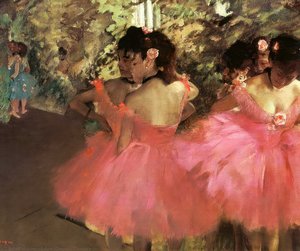 Dancers in Pink
The Grace and Movement of Ballet Captured in Impressionist Brilliance Dancers in Pink by Edgar Degas is a masterful representation of the ballet world, rendered with the artist's signature Impressionist flair. This captivating artwork invites viewers...
For professionals managing large-scale hospitality projects, the challenge lies in balancing aesthetic prestige with operational efficiency. The procurement of museum-quality art requires a focus on durability, authenticity, and scale. High-end reproductions, particularly those hand-painted on 100% cotton canvas, offer a depth of tonal range and texture—visible brushstrokes and heavy impasto—that mass-produced prints simply cannot replicate. This tactile quality is essential for creating the "soul" required in luxury settings.
Beyond the selection of the subject matter, the technical aspects of the art are paramount. Professionals must consider the longevity of the materials, such as the use of flexible gesso to prevent cracking or specialized oils to prevent yellowing. The ability to customize orders—requesting a "period shift" or a specific color match to the hotel's palette—allows designers to create bespoke environments that are uniquely tailored to their brand. Whether it is through large-scale murals or custom-sized oil reproductions, the goal remains the same: to provide an uncompromising level of artistry that meets the rigorous standards of the world's finest hotels.
The Future of Luxury Interiors: Blending Historical Grandeur with Bespoke Innovation
As we look toward the future of luxury hospitality, the intersection of historical grandeur and technological innovation presents exciting new possibilities. We are entering an era where the boundaries of art can be reimagined through "remixed" history. The ability to transform a modern photograph into a masterpiece in the style of Van Gogh or Monet allows designers to create deeply personalized narratives that bridge the gap between contemporary life and classical beauty. This bespoke approach ensures that every piece of art is not just a decoration, but a custom-tailored component of the guest experience.
The future lies in this seamless blend of the old and the new—where the permanence of hand-painted oil on canvas meets the precision of digital mockups and advanced logistics. As travelers continue to seek authenticity and storytelling above all else, the role of the art curator in hospitality will only grow in importance. By continuing to integrate the timeless beauty of Impressionism with modern design techniques, the luxury hotel industry will ensure that every stay remains an evocative journey through culture, emotion, and the enduring legacy of human creativity.
This article was prepared for ArtsDot.com.


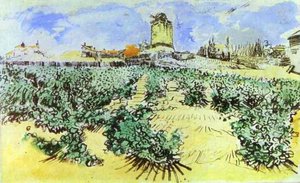


![The Old Mill [1888]](/media/artworks/images-thumb/8d/83/8d835c7ab18ecbb38a139d5704199c1f.jpg)