



The Gastronomic Stage: Art as the Narrative Framework for Immersive Dining
 Elevate Your Dining Experience: A Restaurant Owner's Guide to Transforming Decor with Iconic Masterpiece Reproductions
The Gastronomic Stage: Why Art is the Secret Ingredient to Immersive Dining The Gastronomic Stage: Interior Design as Narrative Framework in the Contemporary Restaurant Experience The Evolving Narrative: From Functional Space to Immersive Experience ...
For the discerning restaurateur, a dining room is far more than a collection of tables and chairs; it is a theater of human connection, a stage where every sensory detail performs a role in the larger narrative of hospitality. In the modern culinary landscape, guests no longer seek mere sustenance; they crave an escape, a story, and a profound sense of place. This evolution from functional space to immersive experience requires a thoughtful curation of the environment, where the walls themselves speak of elegance and intention. To adorn such a space with fine art is to introduce a silent protagonist into your service, one that provides a narrative framework for the entire evening.
When we invite the luminous spirit of history into our dining rooms, we elevate a simple meal into a profound event. The right artwork acts as an anchor, transforming a transient moment into something enduring and soulful. It provides a focal point that sparks storytelling among diners, creating shared moments of wonder that linger long after the final course has been cleared. By treating your interior design as a curated gallery, you offer your guests a sanctuary where time seems to slow down, allowing the conversation to find its natural, unhurently rhythm amidst the beauty of a well-composed masterpiece.
A Symphony of Light and Flavor: Aligning Color Palettes with Your Menu
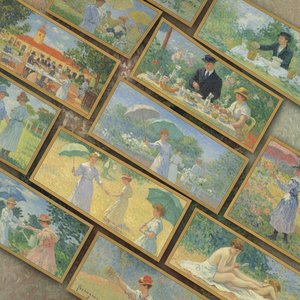 Renoir's Masterpieces: Explore 25 Iconic Paintings & Bring Art Home | ArtsDot
Introduction To embark on a journey through the top 25 artworks of Pierre-Auguste Renoir is to step into a world bathed in light, color, and an exquisite celebration of life. These paintings are not merely depictions of scenes; they are invitations—t...
Just as a chef balances acidity, fat, and salt to create a harmonious dish, an art curator must balance color and light to harmonize a room. The Impressionist movement, at its very heart, was a revolution of the palette—a departure from somber, academic shadows toward a vibrant, broken spectrum of light. When selecting works for your establishment, consider how the chromatic temperature of the canvas interacts with your culinary offerings. A menu centered on bright, seasonal spring vegetables and crisp whites might find its soulmate in the sun-drenched, verdant landscapes of Claude Monet, where the air feels heavy with moisture and the horizon vibrates with life.
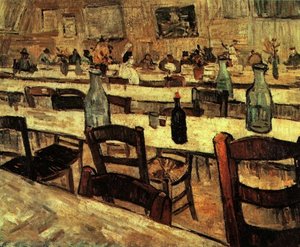
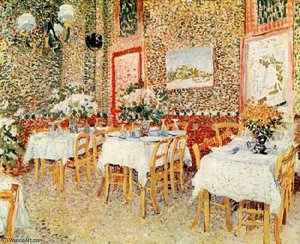
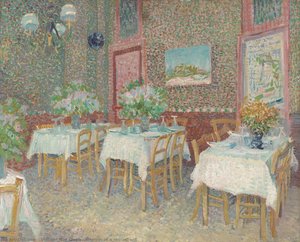
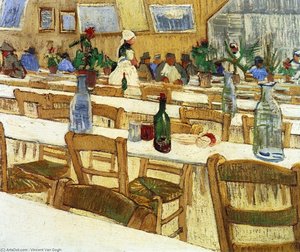
Conversely, a restaurant specializing in rich, decadent autumnal flavors—think deep reds, roasted meats, and earthy truffles—could be profoundly enhanced by the warm, saturated tones found in Vincent van Gogh’s more intimate works. In his Interior of a Restaurant, we see a masterful use of deep reds and ochres that create an inviting, almost theatrical atmosphere of conviviality. By aligning the visual temperature of your walls with the sensory profile of your menu, you create a seamless transition between what is tasted and what is seen, ensuring that the aesthetic and the gastronomic are in perfect, delicious unison.
Capturing the Ephemeral Moment: Choosing Between Landscapes and Intimate Interiors
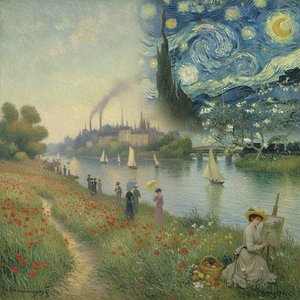 10 Iconic Impressionist Landscapes That Changed Art Forever
Introduction To step into the world of Impressionist landscapes is to abandon the rigid boundaries of reality and embrace the fleeting dance of light and atmosphere. Imagine standing on the banks of the Seine or amidst a sun-drenched meadow in Givern...
The choice between an expansive landscape and a focused interior is a decision of atmospheric scale. Impressionist landscapes, such as those by Pissarro or Sisley, offer a sense of boundless freedom. These works invite the eye to wander through misty riverbanks or sun-dappled meadows, effectively expanding the perceived boundaries of your dining room. They are ideal for spaces that aim to evoke freshness, breathability, and a connection to the natural world, acting as windows into a more tranquil, pastoral reality.
However, there is a unique, poignant charm in the study of the interior. Works like Georges Braque’s Interior with Palette or Van Gogh’s sketches of Parisian eateries offer a sense of quiet observation and human presence. These pieces do not seek to overwhelm with scale but rather to invite introspection. They mirror the very essence of the restaurant experience: the beauty found in the everyday, the shared intimacy of a crowded room, and the subtle nuances of human interaction. Choosing an interior-focused work can ground your space, lending it a sense of established warmth and a sophisticated, lived-in elegance that makes guests feel as though they are part of a long, beautiful tradition.
From Sketch to Signature Dish: Using Impressionist Textures to Enhance Sensory Experience
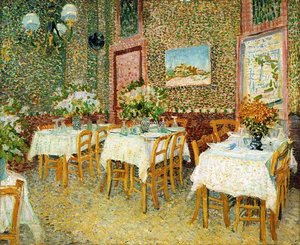 Interior of a Restaurant
Vincent van Gogh’s Intimate Glimpse: Exploring “Interior of a Restaurant” Vincent van Gogh's "Interior of a Restaurant," painted in 1887, isn’t merely a depiction of a dining room; it’s a vibrant snapshot of daily life filtered through the artist’s i...
The true magic of an Impressionist reproduction lies not in the image itself, but in its tactile depth. Unlike the flat, lifeless appearance of a digital print, a hand-painted oil reproduction on 100% cotton canvas possesses a physical soul. The visible brushstrokes and the rich, impasto application of paint create a textured landscape that catches the light just as the original masters intended. This tactile quality is essential in a high-end dining environment; it provides a grounding presence that mirrors the artisanal care put into your signature dishes.
When a guest observes the thick, energetic layers of paint on a Van Gogh reproduction, they are experiencing a sensory parallel to the texture of a well-executed sauce or the crust of a perfectly baked bread. The depth of tone and the interplay of light across the ridges of the paint stimulate the intellect while soothing the soul. This emphasis on texture—the "hand" of the artist—reminds us of the beauty found in imperfection and the transient nature of time, much like the ephemeral pleasure of a perfect meal. It is this layer of sensory richness that transforms a room from merely decorated to truly curated.
Curating a Legacy: Selecting Masterpiece Reproductions for Timeless Restaurant Decor
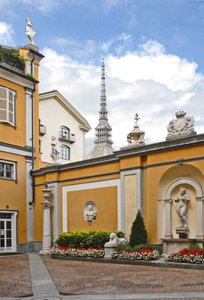 Fondazione Accorsi - Ometto - Museo di Arti Decorative
A Legacy of Refinement: Discovering the Accorsi–Ometto Museum Nestled in the heart of Turin, Italy, the Fondazione Accorsi–Ometto - Museo di Arti Decorative stands as a testament to discerning taste and a passion for craftsmanship. More than just a m...
As a restaurant owner, you are building a legacy. The decor you choose today will become the backdrop for thousands of future memories. To achieve a sense of permanence and prestige, one must look toward the masters who have already stood the test of time. Selecting works from the Impressionist and Post-Impressionist eras—Monet, Renoir, Degas, or Cézanne—ensures that your establishment feels established and intentional, rather than subject to the fleeting whims of modern trends.
Whether you choose to feature a single, large-scale landscape that commands attention or a multi-panel arrangement that flows across a wide architectural feature, the goal is to create an environment of enduring quality. At ArtsDot.com, we specialize in this very pursuit, offering hand-painted reproductions that capture the authentic essence of these legendary artists. Our works are not mere copies; they are labors of passion, executed by artists trained in the finest academies, ensuring that every stroke of oil on canvas contributes to the timeless prestige of your culinary stage. By investing in art that celebrates the beauty of light and life, you ensure that your restaurant remains a destination for those who seek the extraordinary.


