
The Sacred Scriptorium: Where Faith and Artistry Converged
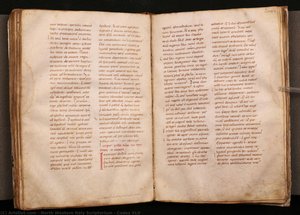 north western italy scriptorium
Origins and the Dawn of Illuminated Script Within the shadowed halls of medieval monasteries, a remarkable tradition blossomed – the art of the scriptorium. More than simply a room for copying manuscripts, it was a crucible where faith, scholarship, ...
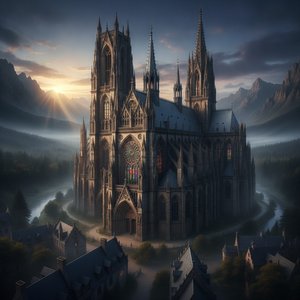
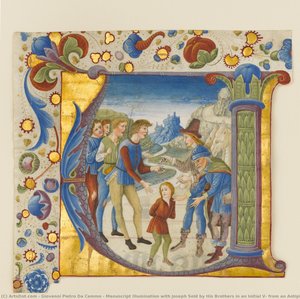
Within the shadowed, hallowed halls of medieval monasteries, a remarkable tradition blossomed—one that would forever alter the course of human expression. This was the era of the scriptorium, a space far more profound than a mere room for transcription. It served as a sacred crucible where faith, scholarship, and unparalleled artistry converged. In places such as the North Western Italy Scriptorium, skilled scribes and artists worked in a rhythmic, meditative devotion, meticulously preserving classical knowledge that might otherwise have been lost to the tides of time. These monastic workshops were the beating hearts of intellectual life, where the act of copying a text was viewed not as a chore, but as a spiritual duty, a way to etch the divine onto the very fabric of history.
The labor within these walls was a symphony of discipline and grace. Scribes prepared parchment with painstaking care, ruling lines with precision to ensure that every letter of the Latin script stood in perfect alignment. This meticulous process laid the foundation for a visual liturgy, where the written word was elevated by the artist's hand, transforming simple manuscripts into celestial vessels designed to bridge the gap between the earthly realm and the divine.
Luminous Gold and Azure: The Alchemy of Illuminated Manuscripts
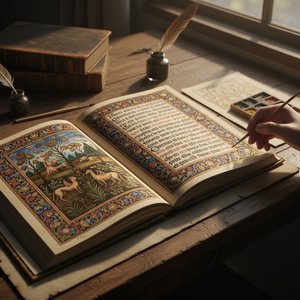 Whispers of History: Capturing the Timeless Beauty of Illuminated Manuscripts in Art
The Sacred Script: The Artistry and Spiritual Essence of Medieval Illumination To gaze upon an illuminated manuscript is to step through a portal into the medieval soul, where every stroke of the pen served as a form of prayer. These were not merely ...
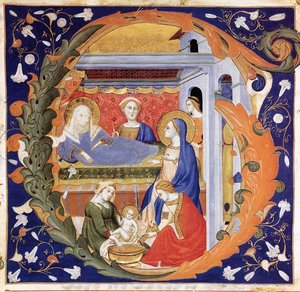
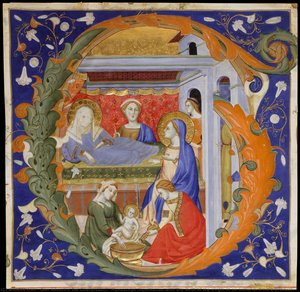
To gaze upon an illuminated manuscript is to step through a portal into the medieval soul. These were not merely books; they were treasures of light and color, where the text was adorned with exquisite flourishes, intricate borders, and miniature illustrations that seemed to glow from within. The very term illumination speaks to this transformative power—the use of gold or silver leaf to catch the flickering candlelight, creating a shimmering effect that suggested the presence of the supernatural. This was true alchemy, where minerals and precious metals were transmuted into spiritual radiance.
The palette of the medieval illuminator was as much about devotion as it was about aesthetics. The deep, soulful azure of lapis lazuli and the vibrant, brilliant pigments used in works like the Vergilius Romanus or the Rossano Gospels were applied with a delicate touch. Often rendered on fine vellum—the smooth, luxurious surface of prepared calfskin—these colors possessed a depth and luminosity that modern printing can scarcely replicate. Every stroke of the brush, every application of gold leaf, served to highlight the sacred narratives, turning each page into a window of breathtaking beauty that transcended simple literacy.
The International Gothic Style: An Era of Elegance and Courtly Grace
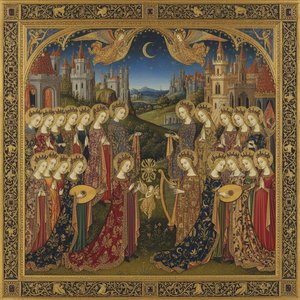 The Magic of International Gothic: Elegance, Gold, and Courtly Splendor in Medieval Art
The Radiant Dusk: Defining the International Gothic Aesthetic The Radiant Dusk of Medieval Vision: Exploring Late Gothic Art's Synthesis of Faith, Form & Emotionality (c. 1300-1500) Introduction: The Twilight of Gothic – A New Aesthetic Sensibility T...
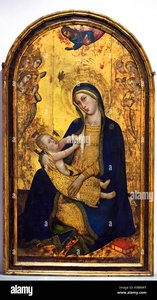
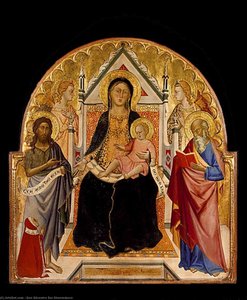
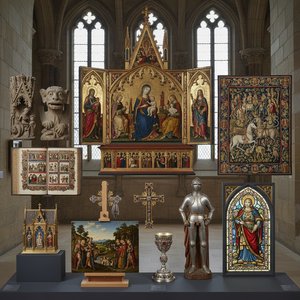
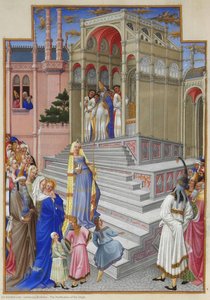
As the medieval era moved toward its twilight, between the 14th and 15th centuries, a profound transformation took hold of the European consciousness. The heavy, monumental shadows of the Romanesque period began to yield to a newfound sense of fluidity and light, manifesting in what we now celebrate as the International Gothic style. This was an era of radiant dusk, characterized by a delicate equilibrium between spiritual gravity and a burgeoning humanistic grace. Art became more lyrical, embracing elegance, intricate detail, and a soft, courtly splendor that reflected the sophisticated tastes of the European aristocracy.
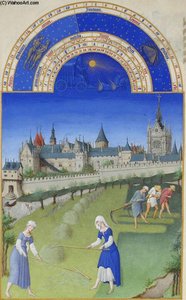
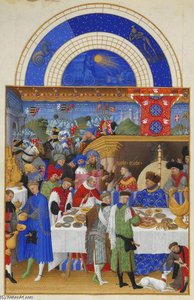
This period saw the rise of artists whose names, though sometimes shrouded in mystery, left an indelible mark on the landscape of beauty. The enigmatic Belbello da Pavia, for instance, brought a unique sensibility to the Lombardy region, his work capturing the transition from Gothic tradition to the refined aesthetics of the early Renaissance. Similarly, the Boucaut Master operated within the vibrant atmosphere of Paris, creating opulent decorations that reflected both religious devotion and aristocratic patronage. In this era, the heavens were no longer depicted as a distant, terrifying realm, but as a space capable of being rendered with a breathtaking, almost tactile tenderness.
From Parchment to Canvas: Tracing the Ancestry of Visual Emotion
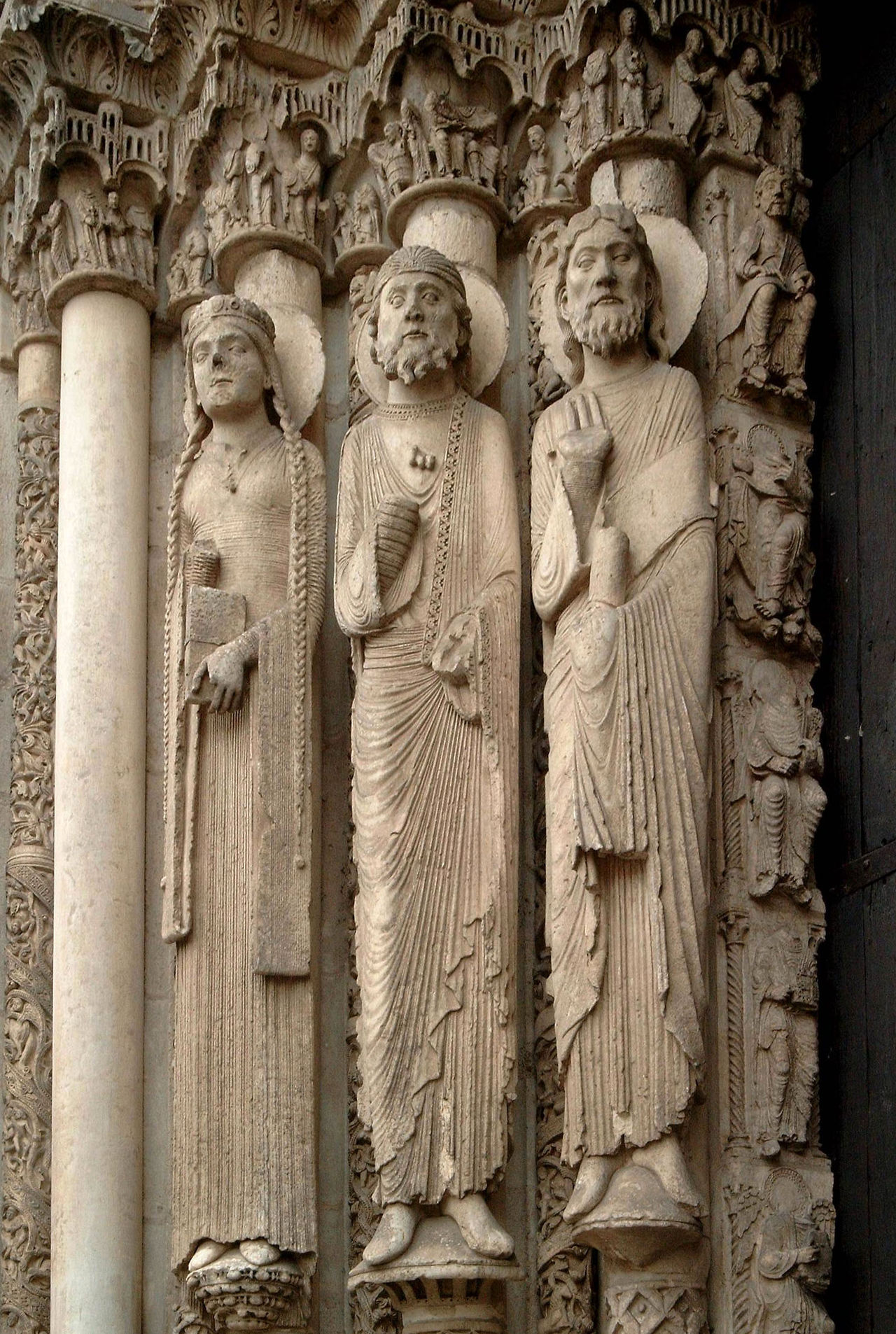 Gothic art
Gothic art was a style of medieval art that developed in Northern France out of Romanesque art in the 12th century, led by the concurrent development of Gothic architecture. It spread to all of Western Europe, and much of Northern, Southern and Centr...
The evolution of art history is a continuous thread of emotional resonance, stretching from the illuminated margins of medieval manuscripts to the light-drenched canvases of the Impressionists. The fundamental desire remains unchanged: to capture the essence of a moment, whether it be the spiritual awe of a saint’s martyrdom or the fleeting shimmer of sunlight on water. The meticulous detail found in Gothic miniatures laid the groundwork for a tradition of visual storytelling that values the nuance of form and the power of color to evoke deep, visceral responses.
We see the seeds of later movements within these ancient pages—a fascination with texture, a reverence for light, and an obsession with the interplay between the subject and its environment. The way a medieval artist layered gold to create depth finds a spiritual successor in the impasto techniques of Van Gogh or the luminous glazes of Monet. It is a lineage of passion, where the artist’s hand serves as the primary medium for translating the intangible beauty of the world into something permanent and profound.
Reimagining Medieval Splendor: Bringing Historical Grandeur into the Modern Home
At ArtsDot.com, we believe that the enchantment of history should not be confined to museum archives or dusty libraries; it belongs in the intimate spaces of your daily life. We invite you to experience the majesty of these historical eras through our bespoke, hand-painted oil reproductions. Our artists, holding degrees from prestigious Fine Arts academies, specialize in capturing the soul of a period, whether it is the intricate elegance of the Gothic era or the soft, sensory light of Impressionism.
Our services allow you to remix history itself. Imagine transforming a cherished personal photograph into a masterpiece that echoes the courtly splendor of the International Gothic style, or perhaps commissioning a large-format mural that recreates the breathtaking grandeur of a historical ceiling in your own home. With our professional digital mockup service, you can visualize these historical transformations before the first brushstroke ever touches the canvas. We offer more than just art; we offer a way to weave the timeless beauty of the past into the fabric of your modern existence, ensuring that the luminous legacy of the masters continues to inspire generations to come.