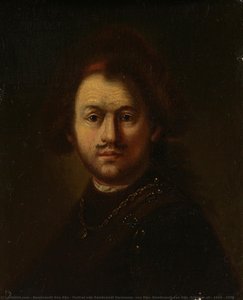
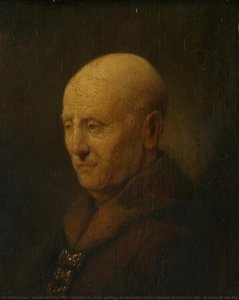


The Dawn of a Republic: Historical Context and the Birth of a New Aesthetic
 Golden Age Reflections: Dutch Baroque Painting & Cultural Innovation
The Rise of a Republic: Historical Context & Artistic Flourishing Wikipedia: Dutch Golden Age The Dutch Golden Age (Dutch: Gouden Eeuw [ˈɣʌudən ˈeːu, ˈɣʌudə ˈʔeːu]) was a period in the history of the Netherlands which roughly lasted from 1588, when t...
To understand the luminous brilliance of the Dutch Golden Age, one must first listen to the echoes of a nation finding its voice amidst the clamor of revolution. The seventeenth century in the Netherlands was not merely a period of time, but a profound transformation of the human spirit. Emerging from eighty years of arduous struggle for independence from Spanish rule, the newly established Dutch Republic found itself in a state of unprecedented vitality. This was a world forged in rebellion and fueled by an extraordinary mercantile success that turned small trading ports into the beating heart of global commerce.
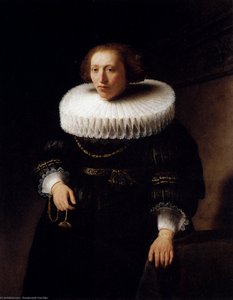
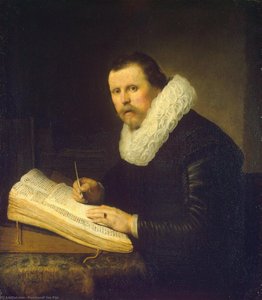
Unlike the grand monarchies of France or Spain, where art served as a gilded instrument of royal propaganda and religious awe, the Dutch landscape offered a different canvas. The rise of a prosperous middle class, built upon the foundations of maritime trade and scientific inquiry, demanded an art that reflected their own lived experiences. There was no need for vast, idealized mythological heavens when the beauty of a well-tended home, a bustling market, or a sturdy merchant vessel held such profound significance. This cultural shift—a move from the celestial to the terrestrial—breathed life into a new kind of realism, one that celebrated the tangible, the practical, and the deeply human.
As this new republic flourished, it embraced a spirit of observation that was both scientific and soulful. The wealth flowing through Amsterdam and Haarlem did not just build canals; it built a sanctuary for creativity. This era, often referred to as the Gouden Eeuw, witnessed an artistic blossoming where the subject matter itself became a celebration of identity. It was an age where the quiet dignity of a domestic moment could hold as much weight as the most epic battle, setting the stage for a revolution in how we perceive the light that falls upon our everyday lives.
Chiaroscuro and Soul: The Dramatic Interplay of Light and Shadow
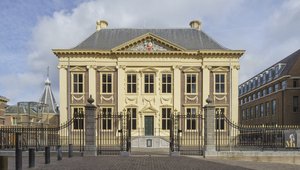 Royal Picture Gallery Mauritshuis
A Palace of Light and Shadow: The Mauritshuis Nestled beside the tranquil waters of the Hofvijver pond in The Hague, the Mauritshuis stands as a breathtaking testament to the golden age of Dutch artistic brilliance and royal ambition. This architectu...
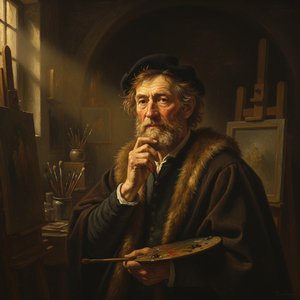
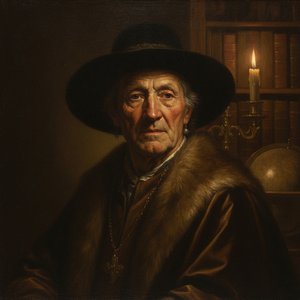
If the history of the Dutch Golden Age provided the canvas, then the mastery of light and shadow provided its heartbeat. To gaze upon a masterpiece from this era is to witness a silent dialogue between brilliance and obscurity. This technique, known as chiaroscuro, became the defining language of the age, allowing artists to sculpt form out of darkness and imbue mere pigment with psychological depth.
Consider the profound impact of such contrast. When an artist directs a singular, focused beam of light across a darkened room, they are doing more than illuminating a subject; they are directing the viewer's soul. In the works of masters like Rembrandt van Rijn, shadow is never merely an absence of light, but a presence in its own right—a velvety, mysterious void that holds secrets and invites contemplation. This dramatic tension creates an illusionistic depth that pulls the observer into the very center of the narrative, making the painted moment feel as though it might breathe at any second.
This interplay was not limited to the grandly dramatic. Even in more subtle compositions, the way light catches the edge of a silver goblet or the soft fold of a silk sleeve serves to elevate the mundane to the extraordinary. This mastery of sfumato and tonal variation allowed painters to capture the very essence of atmosphere. Through the careful layering of glazes and the strategic placement of highlights, these artists achieved a tactile reality that remains unsurpassed, teaching us that truth is often found in the delicate transition between what is seen and what remains hidden in the shadows.
The Beauty of the Everyday: Genre Painting and Intimate Domesticity
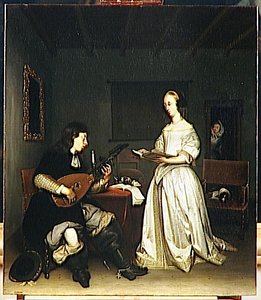 LE DUO CHANTEUSE ET JOUEUR DE LUTH THEORBE
LE DUO CHANTEUSE ET JOUEUR DE LUTH THEORBE – A Window into Dutch Golden Age Intimacy Gerard ter Borch’s “Le Duo: chanteuse et joueur de luth théorbé,” painted around 1669-1670, stands as a quintessential example of Dutch genre painting—a movement tha...
There is a profound, quiet intimacy to be found within the walls of a Dutch interior. During this period, the genre painting emerged as a window into the private lives of a society that found sanctity in the domestic sphere. These works do not seek to overwhelm with scale, but to enchant with detail. We find ourselves invited into modestly furnished rooms, where the soft glow of a window illuminates a woman pouring milk or a musician lost in the melody of a lute.
Gerard ter Borch, a master of this intimate realism, exemplifies this movement with works such as Le Duo: chanteuse et joueur de luth théorbé. In such scenes, the background often recedes into a dark, unobtrusive depth, serving to heighten the visual impact of the figures at the center. There is a palpable sense of psychological depth here; one can almost hear the gentle vibration of the strings and the grace of a singing voice. These paintings capture moments of quiet contemplation and artistic expression, turning the domestic setting into a stage for universal human emotions.
This fascination with the everyday was deeply rooted in the Protestant work ethic and the values of the burgeoning middle class. A simple household scene could carry subtle moral lessons or social commentaries, hidden within the arrangement of objects or the way light falls upon a letter. By elevating the commonplace—the texture of bread, the sheen of satin, the stillness of a room—these artists taught us that beauty is not something to be sought in distant lands or ancient myths, but something to be discovered in the very fabric of our daily existence.
Maritime Ambition and Natural Wonder: Landscapes and Seascapes of the North
 Dutch Whalers near Spitsbergen
Dutch Whalers Near Spitsbergen Abraham Storck’s “Un Prt de Mer,” depicting Dutch whalers navigating the icy waters off Spitsbergen—a breathtaking vista of Arctic exploration and maritime ambition—stands as a testament to the grandeur of the Dutch Gol...
While many masters turned their eyes inward toward the home, others looked outward toward the horizon, capturing the immense scale and daring spirit of the Dutch maritime empire. The sea was the lifeblood of the Republic, a source of both unparalleled wealth and formidable danger. Consequently, the seascapes of this era are much more than mere topographical records; they are emblems of national pride and the relentless pursuit of discovery.
The works of artists like Abraham Storck capture the breathtaking vistas of Arctic exploration and the monumental scale of maritime enterprise. In paintings depicting Dutch whalers near the icy reaches of Spitsbergen, we see a masterful rendering of the elements—the churning sea spray, the weathered hulls of ships, and the formidable presence of nature itself. These canvases embody the very ethos of the age: a combination of meticulous observation and daring adventure. The use of light here is often more expansive, capturing the cold, crisp atmosphere of the northern latitudes and the vast, intimidating beauty of the open ocean.
These landscapes and seascapes also reflect a growing fascination with natural history and scientific inquiry. The anatomical accuracy of a whale or the precise rendering of a coastline speaks to a culture that was actively mapping and understanding its place in the wider world. Through these works, the Dutch masters transformed the rugged reality of seafaring and the vastness of the landscape into epic narratives of human ambition, ensuring that the grandeur of their maritime legacy would be preserved in pigment for centuries to come.
The Enduring Legacy: How Dutch Mastery Continues to Inspire Modern Collectors
 Dutch Masters: 10 Golden Age Paintings That Still Inspire |
Introduction Imagine stepping into a world bathed in soft northern light, where everyday life is elevated to extraordinary beauty and quiet contemplation reigns supreme. This is the realm of the Dutch Golden Age – a period of unprecedented artistic f...
The brilliance of the Dutch Golden Age has not faded with the passing of centuries; rather, it has become a foundational pillar of Western art appreciation. The techniques perfected by these masters—the dramatic use of light, the reverence for the everyday, and the meticulous attention to texture—continue to resonate deeply within the modern soul. We find ourselves still drawn to that sense of quiet power and exquisite detail that defines this era.
For the contemporary collector, these works offer a timeless connection to the universal human experience. Whether it is the joy found in a musical duet or the awe inspired by a stormy sea, the emotions captured in 17th-century oil paintings remain as potent today as they were during the height of the Republic. The legacy of this period lives on in every artist who seeks to find the extraordinary within the ordinary, and in every viewer who finds solace in the soft, northern light of a masterwork.
As we continue to explore and preserve these treasures, we realize that the Dutch Golden Age was more than just a historical epoch; it was a revolution of perception. It taught us to look closer, to value the subtle, and to find the divine in the details of our own lives. It is this enduring light, captured so masterfully in shadow and pigment, that continues to illuminate the halls of art history and the hearts of all who behold it.
At ArtsDot.com, we are dedicated to preserving this extraordinary legacy by making the beauty of the Old Masters accessible to a global audience. Our mission is to bring the profound textures and luminous light of these historical masterpieces into your modern home through exquisite, hand-painted oil reproductions. Each piece is a labor of passion, meticulously crafted by specialist artists on fine cotton canvas to ensure that the soul of the original—the visible brushstrokes and deep tonal ranges—is captured for generations to come.