

The Psychology of Light: Using Impressionism to Foster Creativity and Wellbeing
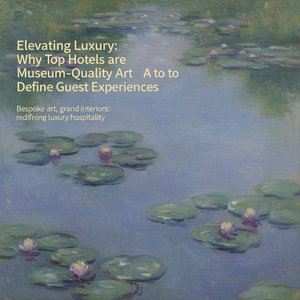
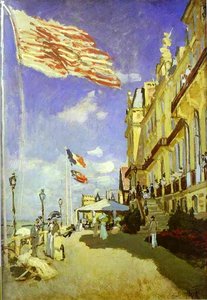
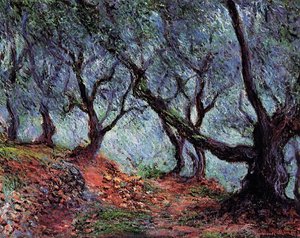
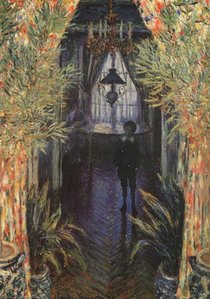
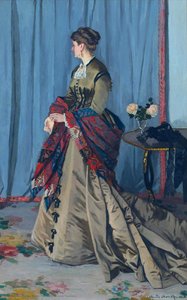
In the high-stakes world of modern professional environments, the design of a coworking space is no longer merely about ergonomics and connectivity; it is about the curation of an atmosphere that nurtures the human spirit. For the discerning hotel designer, the challenge lies in creating a sanctuary that balances productivity with profound tranquility. This is where the luminous philosophy of Impressionism becomes an indispensable tool. Unlike the heavy, somber tones of classical realism that can weigh down a contemporary room, the works of Claude Monet or Camille Pissarro introduce a sense of ephemeral light and airy movement. By integrating these masterpieces, one introduces a rhythmic vitality into the workspace, utilizing the soft, dappified sunlight captured on canvas to reduce cognitive fatigue and stimulate the imaginative faculties of every resident professional.
The emotional impact of such art is deeply rooted in its ability to dissolve the boundaries between the interior and the natural world. When a designer selects a piece that celebrates the fleeting beauty of a garden or a water lily, they are not just hanging a decoration; they are inviting a sense of biophilic connection into a structured corporate setting. This subtle infusion of nature through light and color acts as a psychological balm, fostering a state of "soft fascination" that allows the mind to rest even while remaining alert. In an era where burnout is a constant threat in the professional landscape, the Impressionist touch offers a way to design spaces that prioritize mental wellbeing alongside architectural excellence.
Chromatic Equilibrium: Curating Color Palettes through Monet and Renoir
Achieving spatial harmony requires more than just a cohesive furniture selection; it demands a mastery of chromatic equilibrium. For the professional decorator, Impressionist works serve as a ready-made palette of sophisticated, harmonious hues that can anchor an entire interior scheme. Consider the way Pierre-Auguste Renoir utilizes warm, sun-drenched skin tones and soft rose petals to balance the cooler, more clinical blues and greys often found in modern office architecture. By leveraging the color relationships present in these historical masterpieces, a designer can create a sophisticated dialogue between the structural elements of a room and its decorative accents.
The strategic use of art as a tool for color balance allows for a more nuanced approach to spatial design. One might utilize a vibrant, post-impressionist work by Van Gogh to provide a focal point of energy in a collaborative lounge, or perhaps a more muted, atmospheric landscape by Alfred Sisley to instill a sense of calm in private meeting suites. The goal is to use the inherent pigments of the canvas to guide the eye and unify disparate textures—from polished marble to reclaimed wood. Through this careful curation, the artwork becomes the thread that weaves the entire aesthetic narrative together, ensuring that every corner of the coworking space feels intentional, balanced, and profoundly luxurious.
Architectural Grandeur: Large-Format Murals and Multi-Panel Masterpieces for Expansive Lounges
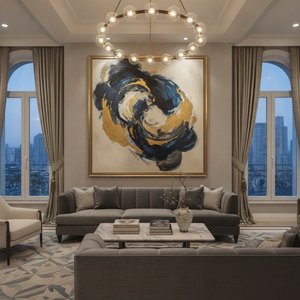
In the grand lobbies and expansive lounges of premium coworking destinations, scale is the ultimate expression of prestige. A small, framed print often disappears against the vastness of a high-ceilinged hall; instead, the designer must look toward the monumental. Large-format murals and bespoke ceiling frescoes offer an unparalleled opportunity to transform architectural surfaces into immersive experiences. Imagine a soaring wall draped in a custom-painted reproduction of a Monet landscape, where the brushstrokes are scaled to match the grandeur of the architecture, creating a window into another era that commands the attention of every guest.
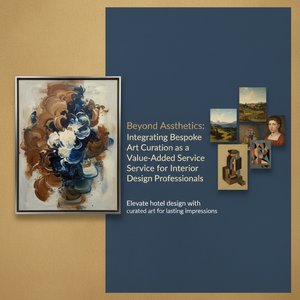
For more contemporary architectural layouts, the "multi-panel" trend provides a sophisticated way to break up large expanses of wall without overwhelming the viewer. By splitting a single, breathtaking Impressionist scene across three, four, or even five panels, a designer can create a rhythmic, modern installation that feels both dynamic and integrated. This technique allows the artwork to follow the contours of a staircase or wrap around a structural pillar, ensuring that the art is not merely placed on the wall, but is an intrinsic part of the building's very skin. Such bespoke installations elevate a commercial space from a mere place of work to a curated gallery of living history.
From Modernity to Masterpiece: Bespoke Commissions and the Art of the 'Period Shift'
True luxury lies in the ability to personalize, to move beyond the catalog and into the realm of the bespoke. For the hotel designer seeking to create a signature identity for a brand, the concept of the "period shift" offers a breathtaking creative avenue. This process allows for the reimagining of contemporary imagery through the lens of historical masters. Imagine commissioning a reproduction that takes a modern architectural photograph of the coworking space itself and renders it with the thick, impasto textures and vibrant light of a Van Gogh or the soft, atmospheric haziness of a Degas.
This level of customization allows for a seamless blend of the present and the past. It enables a designer to bridge the gap between a sleek, glass-and-steel environment and the timeless elegance of the 19th century. Whether it is transforming a corporate portrait into a soft, Renoir-style oil painting or creating a custom landscape that reflects the local geography through an Impressionist technique, these bespoke commissions ensure that the space remains unique to its location and its inhabitants. It is the ultimate expression of brand storytelling, where history is not just referenced, but actively reimagined.
The Designer's Toolkit: Seamless Integration via Professional Digital Mockups and Art Consultation
The path to executing such ambitious visions requires precision and a reliable partner in the creative process. The uncertainty of how a large-scale oil painting will interact with specific lighting or furniture can be mitigated through professional digital mockup services. This allows designers to see a high-fidelity representation of the artwork "placed" within their actual space before a single brushstroke is applied to the canvas. Such a service is essential for managing complex commissions, allowing for unlimited revisions to color matching and composition, ensuring that the final piece integrates perfectly with the intended interior design.
Furthermore, the integration of expert art consultation provides the technical expertise needed to navigate the complexities of texture, scale, and preservation. From selecting the appropriate frame—be it a gilded classic or a modern museum-style wrap—to understanding the long-term chemistry of oils and varnishes, professional guidance ensures that the investment is protected for generations. When working with ArtsDot.com, designers gain access to a dedicated Project Coordinator and a global network of academic artists, transforming the daunting task of art procurement into a streamlined, sophisticated journey of creative discovery.