

The Alchemy of Stone: Understanding the Planographic Soul of Lithography
--- title: Lithograph - The Metropolitan Museum of Art url: https://www.metmuseum.org/perspectives/materials-and-techniques-printmaking-lithograph hostname: metmuseum.org description: Lithography is a planographic printmaking process in which a desig...
To truly appreciate the magic of a print, one must first understand the quiet, chemical miracle that occurs upon a slab of limestone. Unlike the aggressive carvings of woodcuts or the deep incisions of etching, lithography is a planographic process—a term derived from the Greek lithos for stone and graphō to write. It does not rely on physical depth, but rather on the fundamental, eternal tension between oil and water. There is something deeply poetic in this; it is an art form born of a natural refusal to mix, a delicate balance that allows an artist to draw directly onto the stone as if they were working on paper.
In the hands of a master, the stone becomes a mirror of the soul. The process begins with a polished surface, prepared to receive the greasy touch of a lithographic crayon or ink. As the artist works, they are not merely creating an image; they and the stone are engaged in a silent dialogue. Through the application of gum arabic and acid, the design is fixed, ensuring that the water-loving blank areas will forever repel the oil-based ink. This chemical dance creates a surface where light can breathe, allowing for a range of tones that feels less like a reproduction and more like a captured moment of pure, unadulterated thought.
Chasing the Impressionist Light: How Lithography Captures Monet’s Glow and Renoir’s Softness
 Museum of Fine Arts
The D’Amour Museum of Fine Arts: A Tapestry of European Grandeur and American Vision Nestled within the vibrant heart of Springfield, Massachusetts, the Michele and Donald D’Amour Museum of Fine Arts stands as a testament to the enduring power of art...
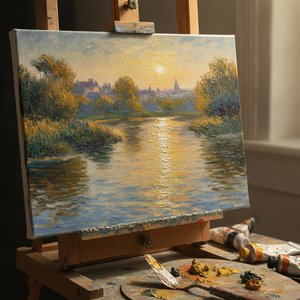
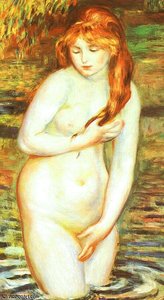
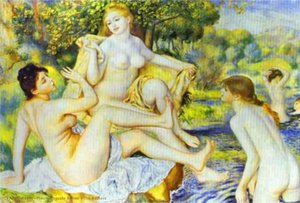
For those of us who have spent decades lost in the luminous landscapes of Claude Monet or the tender, sun-drenched portraits of Pierre-Auguste Renoir, lithography offers a unique window into their genius. The Impressionist movement was, at its heart, an obsession with the ephemeral—the way light shifts across a water lily pond at dusk, or how the morning mist softens the edges of a Parisian boulevard. Lithography, with its ability to hold incredibly subtle gradations of tone, is uniquely suited to replicate this atmospheric magic.
When we look at a lithographic reproduction of a Monet masterpiece, we are searching for that specific glow. Because the process allows for such soft, feathered edges, it can mimic the way light bleeds into color, a hallmark of the Impressionist style. One can almost feel the warmth of Renoir’s skin tones or the cool, dappled shadows of a garden scene. It is not merely about seeing the colors; it is about feeling the temperature of the light. The technique allows the printer to layer washes of tone that evoke the same sense of movement and fleeting beauty that the original brushstrokes achieved on canvas.
Texture and Trace: The Delicate Dance of Ink, Water, and Limestone
--- title: Lithography - Wikipedia author: Authority control databases url: https://en.wikipedia.org/wiki/Lithography hostname: wikipedia.org sitename: Wikimedia Foundation, Inc. date: 2001-11-09 --- # Lithography | Part of a series on the | | |---| ...
There is a tactile intimacy in lithography that distinguishes it from any other form of printmaking. As the ink is rolled across the dampened stone, it adheres only to the greasy traces left by the artist’s hand. This creates a texture that is remarkably faithful to the original drawing. One can see the grain of the crayon, the subtle smudge of a finger, and the fine, hair-like lines that suggest the movement of wind through grass or the ripple of water against a pier.
This dance of materials—the heavy, cold weight of the limestone, the fluid application of water, and the rich, viscous pull of the ink—results in a print that possesses a "soul." It is not a flat, mechanical repetition. Instead, each pass of the press carries with it the memory of the stone’s surface. For the discerning lover of art, this texture provides a sense of depth. Even in a high-quality print, there is a perceptible vibration of energy, a trace of the artist's original gesture that transcends the boundaries of paper and ink.
From Masterpieces to Modern Walls: Preserving the Legacy of Printmaking in the Home
 The Enduring Legacy of Printmaking: Techniques, Themes & Artistic Innovation Across Centuries
The Genesis of Printmaking: From Ancient Origins to Early European Developments Wikipedia: Printmaking Printmaking is the process of creating artworks by printing, normally on paper, but also on fabric, wood, metal, and other surfaces. "Traditional p...
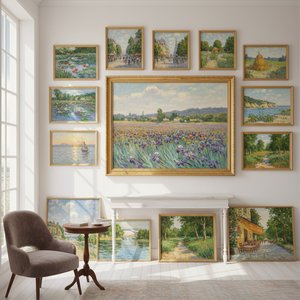
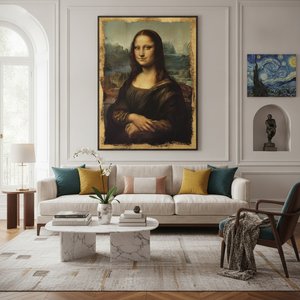
Bringing the grandeur of art history into a contemporary living space is an act of cultural preservation. We often find ourselves seeking ways to surround our homes with the beauty that has shaped our lives, yet we must balance this desire with the practicalities of modern life. The legacy of printmaking allows us to invite the masters into our most intimate spaces—our hallways, our studies, and our dining rooms—without the overwhelming scale or cost of a museum-sized oil painting.
A well-placed lithograph or a fine art print acts as an anchor for a room, providing a focal point that invites contemplation. Whether it is a large-scale reproduction of a sweeping Hudson River School landscape or a delicate series of Impressionist studies, these works bridge the gap between the past and the present. They allow us to curate a personal sanctuary where history breathes through the walls, reminding us of the enduring power of human creativity and the timelessness of beauty.
The Collector's Eye: Distinguishing Between Hand-Painted Oils and Fine Art Giclée Prints
 Giclée Prints: Archival Quality & Aesthetic Nuances for the Discerning Collector
Introduction: The Rise of Giclée Printing in Fine Art Wikipedia: Giclée Giclée ( zhee-KLAY) describes digital prints intended as fine art and produced by inkjet printers. The term is a neologism, ultimately derived from the French word gicleur, coine...
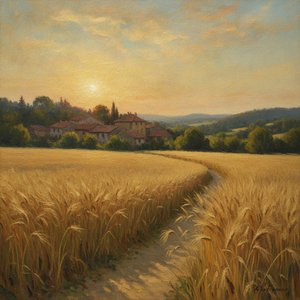
As collectors, we often find ourselves at a crossroads between two beautiful paths: the tactile depth of a handmade oil reproduction and the precise clarity of a Giclée print. It is essential to understand the distinction to truly appreciate the value of what we bring into our homes. A Handmade Oil Reproduction is a labor of passion; it is a bespoke creation where an artist works on 100% cotton canvas, building up layers of pigment to create actual physical texture—the impasto effect that makes a Van Gogh feel alive. These pieces possess a tonal range and a three-dimensional quality that no machine can replicate.
On the other hand, a Giclée print represents the pinnacle of modern archival technology. Using 12-color inks, these prints offer an incredible level of detail and color accuracy, making them perfect for capturing the intricate fine lines of a delicate drawing or the sharp clarity of a landscape. While they lack the raised brushstrokes of an oil painting, they provide a stunningly faithful window into the original work. Ultimately, the choice depends on the "soul" you wish to bring to your collection: do you seek the textured, breathing presence of a hand-painted canvas, or the luminous, precise elegance of a masterfully printed archive?
At ArtsDot.com, we celebrate this entire spectrum of artistry. Whether you are looking to commission a custom oil painting that reimagines your own memories in the style of Monet, or seeking a museum-quality print to complete your collection, our mission is to ensure that the light and magic of the Impressionist era remain forever accessible to your heart and home.