

Introduction
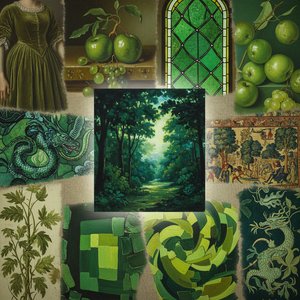
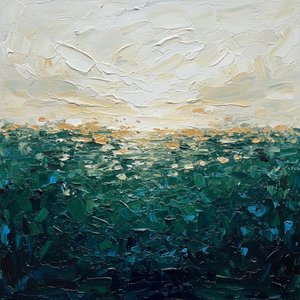
Close your eyes for a moment and imagine walking through a sun-drenched garden at twilight, where the air is heavy with the scent of damp earth and blooming jasmine. As the light fades, the world does not simply turn dark; it transforms into a deep, breathing tapestry of emerald, teal, and cool, shadowed jade. This is the magic of Phthalo Green —a pigment so profound, so saturated with life, that it seems to pulse beneath the brushstrokes of the masters.
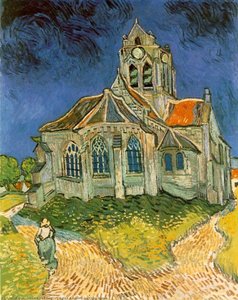
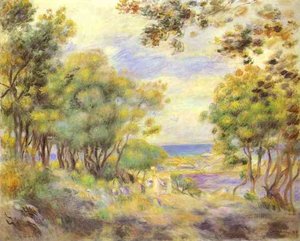
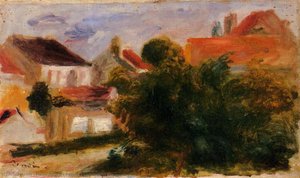
In the history of Impressionism and Post-Impressionism, color was never merely a way to describe an object; it was a language used to capture the very soul of a moment. While the era was defined by the pursuit of light, it was the deep, verdant depths of Phthality—with its ability to hold both intense brilliance and mysterious shadow—that allowed artists like Monet, Renoir, and Van Gogh to ground their luminous landscapes. This particular hue, with its cool, transparent strength, offered a way to paint the unseen: the coolness of a shaded pond, the lush density of a forest canopy, and the quiet melancholy of a summer evening.
These works remain deeply meaningful to us today because they do more than replicate nature; they evoke a sensory memory. When we gaze upon a canvas dominated by these verdant tones, we are not just looking at paint on cotton; we are feeling the humidity of a French afternoon and the quiet stillness of a landscape at rest. It is a color that speaks to our innate connection to the earth and the cyclical beauty of growth and decay.
In the following pages, I invite you to join me on a curated journey through ten extraordinary masterpieces. We will wander through gardens of emerald light and shadowed groves, exploring how the masterful use of Phthalo Green has shaped some of the most iconic moments in art history. Let us step into the verdant heart of the Impressionist world together.
The Garden of Earthly Delights - Hieronymus Bosch
 The Garden of Earthly Delights - Hieronymus Bosch
In the sprawling, hallucinatory landscape of Hieronymus Bosch’s The Garden of Earthly Delights , the eye is immediately ensnared by a verdant, almost overwhelming sea of deep, botanical hues. While much of this triptych explores the shadows of human morality, it is anchored by those profound, saturated greens that define its most surreal flora. These intense, phthalo-like tones breathe life into the primordial thickets of Eden and the chaotic, fruit-laden meadows of the central panel, creating a lushness that feels both fertile and unsettling.
There is a gaze in The Garden of Earthly Delights by Hieronymus Bosch that follows you—not with judgment, but with understanding . This isn’t merely a painting; it is a mirror reflecting our deepest desires and fears through a veil of emerald light and dark, mossy depths. Now, imagine that complex, verdant gaze in your space. Not watching you, but reminding you : you are seen. You are part of this eternal, swirling story of nature and soul.
Arrangement in Grey and Black. Portrait of the Painter's Mother - James Abbott McNeill Whistler
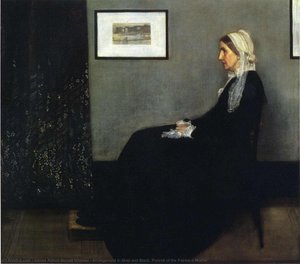 Arrangement in Grey and Black. Portrait of the Painter's Mother - James Abbott McNeill Whistler
In the somber, masterful layers of Arrangement in Grey and Black by James Abbott McNeill Whistler, one finds a profound study of tonal depth. While this particular masterpiece is celebrated for its monochromatic austerity, it serves as a vital anchor in our exploration of color-driven compositions. When we observe the subtle gradations of shadow, we see how Whistler uses deep, cool undertones—reminiscent of the heavy, saturated pigments found in Phthalo Green works—to sculpt form from the darkness. The texture of the original oil on canvas reveals a meticulous control of light, where every soft brushstroke contributes to an atmosphere of quiet, dignified melancholy.
At ArtsDot.com, we believe such emotional resonance should be felt physically in your own home. Our artisans recreate this tactile, three-dimensional quality by hand-painting each reproduction on 100% cotton canvas. By emphasizing the visible brushwork and the rich, velvety interplay of light and shadow, we ensure that the soulful, atmospheric essence of Whistler’s Tonalism is preserved, bringing the museum's profound stillness into your private collection.
Portrait of Giovanni Arnolfini and his Wife - Jan van Eyck
 Portrait of Giovanni Arnolfini and his Wife - Jan van Eyck
In the Portrait of Giovanni Arnolfini and his Wife , Jan van Eyck does not merely paint a room; he orchestrates a silent, sacred atmosphere where every shadow holds a secret. While this masterpiece is celebrated for its Northern Renaissance realism, it serves as a profound study in deep, verdant tones. The heavy, sweeping drapery of the woman’s gown anchors the composition with rich, emerald depths that resonate with the cool, saturated essence of Phthalo Green.
Look closer. The textures aren't just rendered; they are choreographed through layers of translucent glazes. The way the light catches the deep green folds creates a visual rhythm, making the heavy fabric feel as though it is breathing within the stillness of the chamber. This painting is not a static image; it is a dance frozen in time , where the verdant pigments provide a lush, stable foundation for the complex symbolism of the mirror and the candle. To possess such a work is to invite a sense of profound, rhythmic harmony into your own sanctuary.
Creation of Adam - Michelangelo Buonarroti
 Creation of Adam - Michelangelo Buonarroti
While we often gaze upon the divine spark between God and Adam, few realize that Michelangelo painted this monumental fresco while physically enduring the grueling strain of working overhead, a feat of sheer willpower that nearly broke his spirit. In this breathtaking moment from the Sistine Chapel, the composition breathes with a profound tension; though the palette is famously anchored by earthy ochres and celestial blues, it is the subtle, deep shadows and the atmospheric, verdant undertones in the distant, hazy landscapes that provide a striking contrast to the warmth of human flesh. These darker, cool-toned depths—reminiscent of the rich, saturated pigments found in modern Phthalo Green studies—create a sense of infinite space and primordial mystery.
The technical mastery required to execute such anatomical precision on wet plaster is nothing short of miraculous. To surround oneself with such an emblem of human potential and divine intellect is to invite a sense of profound purpose into your daily life. Much like the focused energy Michelangelo poured into this ceiling, hanging a piece of such monumental ambition in a modern home office can inspire a sophisticated atmosphere of deep thought and tireless productivity.
Untitled - Skull, (Broad Collection, LA) - jean michel basquiat
 Untitled - Skull, (Broad Collection, LA) - jean michel basquiat
In the visceral landscape of Jean-Michel Basquiat’s 1981 masterpiece, Untitled - Skull , the lines aren’t merely drawn; they are choreographed in a frantic, beautiful struggle. While we often seek the soft light of Impressionism, here we encounter a different kind of intensity—a rhythmic, Neo-Expressionist pulse where deep, shadowy tones meet striking accents. Within this exploration of our Top 10 paintings dominated by Phthalo Green and cool, dark pigments, Basquiat’s work serves as a profound anchor of emotional weight.
This is not just a composition; it is a dance frozen in time , where the fragmented skull emerges from a chaotic sea of blues and deep, verdant shadows. The way the darker, cool-toned pigments interact with sudden bursts of yellow and red creates a tension that is both unsettling and hypnotic. What if your living room could hold that same balance? What if your walls could breathe rhythm through the raw, textured energy of such an iconic gaze? To possess a piece like this is to invite a soulful, transformative dialogue into your home.
Narcissus - Caravaggio
 Narcissus - Caravaggio
In Caravaggio’s Narcissus , the drama is not merely found in the myth, but in the breathtaking command of chiaroscuro that pulls the viewer into a moment of profound isolation. The light source acts as a singular, piercing spotlight, carving Narcissus’s form out of an impenetrable darkness. This intense illumination strikes the edges of his youthful features and the heavy folds of his drapery, creating a sharp contrast that makes the deep, Phthalo Green tones within the water's reflection feel almost liquid and alive.
The way these cool, verdant shadows dance against the warm ochres of the skin is what secures this masterpiece's place among the most impactful uses of green in art history. The emerald depths of the pool do not just represent water; they embody the haunting, murky nature of self-obsession. When brought into a contemporary home as a hand-painted oil reproduction, this sophisticated interplay of light and shadow adds an incomparable layer of Baroque grandeur and intellectual depth, transforming a simple wall into a window of dramatic, soulful introspection.
Self portrait with Thorn Necklace and Hummingbird - Frida Kahlo
 Self portrait with Thorn Necklace and Hummingbird - Frida Kahlo
In the hauntingly beautiful Self-portrait with Thorn Necklace and Hummingbird , Frida Kahlo invites us into a private sanctuary of resilience. This masterpiece stands as a profound pillar in our collection of famous paintings dominated by Phthalo Green tones , using the deep, verdant shadows of a lush jungle to frame her internal struggle. The dense, emerald foliage creates a claustrophobic yet protective enclosure, where the cool, saturated greens of the leaves contrast sharply with the visceral reality of the thorns piercing her skin.
As we wander through this visual narrative, the Phthalo Green pigments do more than provide depth; they embody the cycle of life and decay. The vibrant, dark greenery serves as a stage for symbols of transformation—the monkey, the black cat, and the lifeless hummingbird. In today’s curated interiors, such intense botanical palettes resonate deeply, offering a sophisticated way to bring the raw, emotional power of Mexican Surrealism into modern spaces. It is a painting that breathes with the heavy, humid scent of the earth, reminding us that even amidst profound pain, there is an enduring, verdant strength.
The Battle between Lent and Carnival - pieter bruegel the younger
 The Battle between Lent and Carnival - pieter bruegel the younger
To gaze upon The Battle between Lent and Carnival by Pieter Bruegel the Younger is to step into a whirlwind of human existence, where the jubilant chaos of life meets the quiet gravity of reflection. It is a masterpiece that captures the eternal tug-of-war within the soul—the desire for earthly indulgence versus the pull toward spiritual discipline. This work earns its place among our selection of paintings dominated by Phthalo Green tones through the lush, verdant undercurrents that ground his bustling village scenes, providing a deep, organic vitality to the landscape amidst the earthy ochres and reds.
The painting’s enduring resonance lies in its ability to find profound meaning within the mundane. As you trace the intricate details of the Flemish festivities, you feel the pulse of the 16th century. At ArtsDot.com, we strive to preserve this very heartbeat. Our hand-painted oil reproductions are meticulously crafted to honor every visible brushstroke and deep tonal range, ensuring that the rich, verdant textures and moral complexity of Bruegel’s world are brought into your home with all the soul and light of the original masterpiece.
allegory - Primavera - Sandro Botticelli
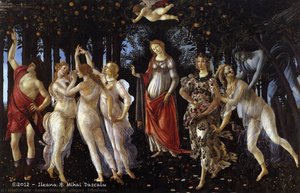 allegory - Primavera - Sandro Botticelli
In Botticelli’s Primavera , the composition achieves a breathtaking structural harmony that feels both rhythmic and eternal. The arrangement of the nine figures follows a delicate, undulating geometry; the graceful, flowing lines of the Three Graces find an echo in the verticality of the orange trees, creating a balanced dance of organic shapes. While this Renaissance masterpiece is celebrated for its lush, verdant backdrop—where deep, botanical shadows provide a foundation for those striking emerald and forest tones—it is the underlying equilibrium that captivates the soul.
This sense of mathematical grace and intentional placement offers a profound connection to modern minimalist design. Just as contemporary aesthetics rely on clean silhouettes and purposeful negative space to ground a room, Botticelli uses the weight of his darker, leafy pigments to anchor the ethereal, pastel figures. The result is a timeless perfection that allows this allegorical garden to serve as a sophisticated focal point, bringing a sense of historical depth and serene, structured beauty to any curated collection.
A Bar at the Folies-Bergere - Édouard Manet
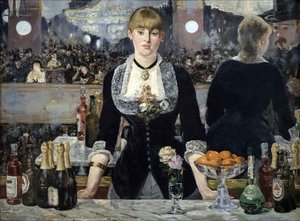 A Bar at the Folies-Bergere - Édouard Manet
In Édouard Manet’s 1882 masterpiece, A Bar at the Folies-Bergère , the lush, deep depths of Phthalo Green tones serve as more than mere pigment; they are the very breath of Parisian nightlife. As you stand before this canvas, the cool, verdant shadows anchoring the bar's counter create a striking contrast against the shimmering, artificial glow of gaslights. These emerald undertones weave through the reflections in the mirror, grounding the bustling, blurred crowd in a sense of atmospheric weight.
Manet uses these verdant hues to evoke the velvet textures and the heavy, nocturnal air of the cabaret, pulling you into a world where modernity meets melancholy. The way the green tones interact with the bright oranges and glass bottles creates a sensory feast, capturing that fleeting, Impressionistic moment of urban isolation. To possess such a work is not simply to decorate a wall, but to invite the soul of late 19th-century Paris into your home—transforming your private sanctuary into a gallery of the soul where light and shadow dance eternally.
Conclusion
As the light fades on our journey through these verdant landscapes, we are reminded that Phthalo Green is far more than a mere pigment on a palette; it is the very breath of the earth captured in oil. These masterpieces do not belong solely to the silent halls of museums or the dusty pages of history books. They are living, breathing presences, waiting to pulse with new life within the sanctuary of your own home. To live with these works is to invite the quiet serenity of a Monet garden or the rhythmic vitality of a Van Gogh meadow into your daily rituals, allowing their deep, cool shadows and luminous highlights to soften the edges of a modern world.
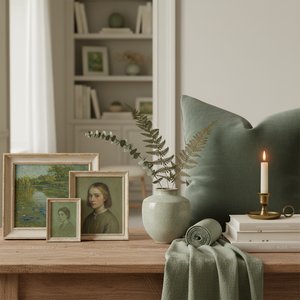
There is a profound grace in surrounding ourselves with such enduring human creativity. Each brushstroke, preserved through our meticulous hand-painting process, serves as a gentle, tactile reminder of our connection to nature and to the artists who first dared to translate its fleeting beauty into something eternal. Whether it is the way a deep emerald tone anchors a quiet reading nook or how a textured impasto catches the morning sun in your hallway, these paintings transform mere spaces into soulful retreats. We invite you to explore our full collection and find the piece that speaks to your heart, bringing a timeless sense of wonder and a touch of the Impressionist soul into your everyday life.