
Introduction
To step through the grand portals of the Kunsthistorisches Museum in Vienna is to surrender oneself to a profound dialogue with history. It is not merely a visit to a museum, but an immersion into a palace of echoes, where the architectural grandeur of Gottfried Semper’s vision prepares the soul for the treasures held within. As you wander through these hallowed halls, designed to mirror the eternal spirit of the Roman Forum, you feel the weight and the wonder of the Habsburg legacy—a legacy that sought not just to collect art, and but to curate the very essence of human achievement.
The air within the Picture Gallery seems to hold its breath, suspended in a moment where the light of the Renaissance meets the dramatic shadows of the Baroque. Here, the masterpieces do not sit static upon the walls; they breathe. You can almost hear the soft rustle of silk in a Vermeer, or feel the quiet, contemplative pulse of a Rembrandt self-portrait. These works remain deeply meaningful today because they transcend their era; they speak to our universal experiences of beauty, mortality, divinity, and the simple, breathtaking way light falls upon a landscape.
In this curated journey, we invite you to slow your pace and let your senses lead the way. We have selected twenty-five extraordinary works that define the soul of this collection—pieces that serve as windows into the triumphs of Western civilization. From the meticulous precision of the Northern Masters to the sweeping emotional landscapes that stir the heart, each selection is a milestone in our shared artistic heritage. Prepare to lose yourself in a collection where every brushstroke tells a story, and every frame holds a piece of eternity.
Adoration of the Trinity (Landauer Altar) - Albrecht Dürer
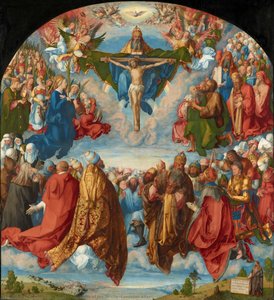 Adoration of the Trinity (Landauer Altar) - Albrecht Dürer
In Albrecht Dürer’s Adoration of the Trinity , light does not merely illuminate; it sanctifies. As one wanders through the Kunsthistorisches Museum, Vienna, this monumental altarpiece commands attention through its breathtaking command of divine radiance. Dürer utilizes a sophisticated interplay of light and shadow to guide the eye toward the central figure of Christ, where an ethereal glow dissolves the boundaries between the earthly and the celestial. This masterful use of illumination, reminiscent of his Venetian influences, creates a sculptural depth that breathes life into the surrounding saints and angels.
The way the light catches the intricate gold trims and the soft textures of the robes is nothing short of miraculous, securing its place among the top 25 artworks in the museum. For the discerning collector, bringing a faithful oil reproduction of this masterpiece into a home offers more than decoration; it introduces a profound sense of architectural grandeur and luminous luxury. The dramatic chiaroscuro provides a captivating focal point, adding layers of intellectual depth and a timeless, soulful atmosphere to any contemporary space.
Portrait of a Young Venetian Woman - Albrecht Dürer
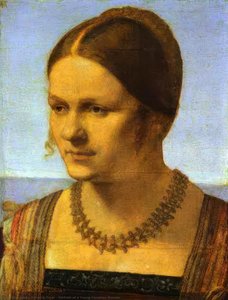 Portrait of a Young Venetian Woman - Albrecht Dürer
To possess a reproduction of Portrait of a Young Venetian Woman by Albrecht Dürer is to invest in a profound legacy of European taste and Renaissance mastery. As one of the most captivating treasures within the top 25 artworks in 'Kunsthistorisches Museum, Vienna', this piece stands as a testament to the moment Northern precision met Italian soul. Painted during Dürer’s transformative journey through Italy, the work captures a breathtaking dialogue between German meticulousness and the soft, atmospheric light of Venice.
The portrait breathes with a quiet, melancholic prestige; notice how the warm ochres and golden tones glow against the delicate, luminous skin of the sitter. Her averted gaze invites a sense of private introspection, while the rich textures of her attire suggest a refined social standing that has captivated collectors for centuries. For the discerning eye, bringing this masterpiece into a modern luxury interior offers more than mere decoration. A high-quality, hand-painted oil reproduction carries the same aesthetic authority and timeless status, anchoring a contemporary space with the soulful, enduring elegance of the High Renaissance.
Peasant wedding - Pieter Bruegel the Elder
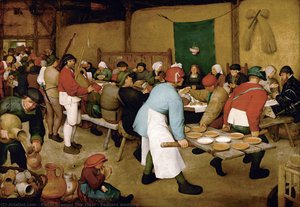 Peasant wedding - Pieter Bruegel the Elder
To encounter Peasant Wedding by Pieter Bruegel the Elder is to be swept into a whirlwind of 16th-century vitality, a moment of raw, communal joy frozen in time. As one of the most captivating treasures within the Kunsthistorisches Museum, Vienna, this masterpiece transcends mere genre painting; it is a sensory immersion into the heart of Northern Renaissance naturalism. Bruegel orchestrates a magnificent chaos, where earthy ochres, muted reds, and deep browns weave together to form a tapestry of rustic celebration.
The composition breathes with an almost palpable energy, guiding the eye through a crowded feast teeming with life, from the subtle texture of rough wooden beams to the quiet dignity of the figures engaged in shared merriment. For the discerning collector or those curating a refined, soulful interior, this work offers more than historical insight—it brings a sense of grounded, timeless humanity into a modern space. It remains an essential pillar among the top 25 artworks in the museum, embodying a legacy of profound observation and the enduring beauty found in the simplest of human connections.
Summer 1 - Giuseppe Arcimboldo
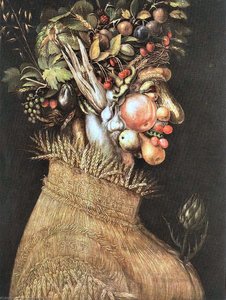 Summer 1 - Giuseppe Arcimboldo
To encounter Giuseppe Arcimboldo’s Summer 1 is to witness a delightful, surrealist dream captured long before the modern era. As you wander through the Kunsthistorisches Museum, this masterpiece emerges from the shadows, not as a traditional portrait, but as a breathtakingly intricate mosaic of life itself. The artist has performed a feat of pure imagination, composing a human visage entirely from the bountiful harvest: the velvety skin of plums, the sun-warmed weight of grapes, and the golden textures of ripening grain.
There is a profound, sensory magic in how the deep greens and vibrant reds of the produce coalesce to form a face, creating a visual symphony that celebrates both fertility and the fleeting nature of time. The dramatic, directional lighting casts soft shadows across the organic textures, pulling you into a world where humanity and nature are inextricably entwined. Owning such a vision isn’t merely a purchase; it is an inheritance of wit and wonder. At ArtsDot, we invite you to bring this lineage of taste into your own home, where the whimsical spirit of the Mannerist masters can breathe life into your walls.
The Hunters in the Snow (Winter) - Pieter Bruegel the Elder
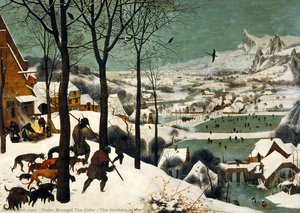 The Hunters in the Snow (Winter) - Pieter Bruegel the Elder
To stand before Pieter Bruegel the Elder’s The Hunters in the Snow is to feel the crisp, biting chill of a sixteenth-century winter seeping through the canvas. This masterpiece is far more than a seasonal landscape; it is a profound window into the Low Countries during the onset of the Little Ice Age, capturing a world defined by both hardship and quiet resilience. Bruegel masterfully guides our gaze from the weary, slumped shoulders of hunters returning from an unsuccessful hunt in the foreground, through a midground bustling with the rhythmic joy of villagers ice skating, and finally toward the hazy, blue-tinted mountains that dissolve into the horizon.
The painting breathes with atmospheric perspective, where the textures of frost-covered bark and heavy snowdrifts create a palpable sense of depth. There is no single focal point; instead, your eye wanders like a traveler through this frozen realm, discovering crows perched as silent omens or distant figures lost in the white expanse. Owning such a legacy isn’t merely a purchase; it is an inheritance of taste, bringing the enduring spirit of the Northern Renaissance into your own home.
The Tower of Babel - Pieter Bruegel the Elder
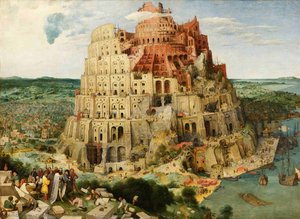 The Tower of Babel - Pieter Bruegel the Elder
To stand before The Tower of Babel by Pieter Bruegel the Elder is to witness the very pulse of human ambition captured in oil. Within the hallowed halls of the Kunsthistorisches Museum, this 1563 masterpiece commands the room, not merely through its monumental scale, but through its profound, swirling narrative of pride and fragmentation. As you gaze upon the dizzying ascent of the unfinished stone, you are immersed in a world of earthy ochres, deep shadows, and the frantic, rhythmic energy of a civilization striving for the heavens.
Bruegel invites us into a meticulously detailed construction site where every scaffolding plank and heavy stone tells a story of collective effort—and inevitable hubris. The painting is a sensory journey; one can almost hear the clamor of the bustling crowds and feel the weight of the architectural chaos. It is more than a biblical illustration; it is a transformative experience that reminds us how even the grandest human endeavors are subject to the tides of fate. To include such a work in your personal collection is to invite a piece of history's most poignant meditations into your soul.
Judith with the head of Holofernes - Lucas Cranach the Elder
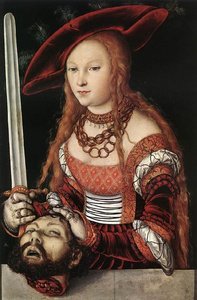 Judith with the head of Holofernes - Lucas Cranach the Elder
In the hallowed halls of the Kunsthistorisches Museum, Vienna, few works command the room with such chilling, quiet intensity as Lucas Cranach the Elder’s Judith with the head of Holofernes . To look upon this masterpiece is to witness a dance frozen in time; the lines of Judith's elegant, flowing robes are not merely drawn, they are choreographed around the grim reality of her victory. There is a profound, rhythmic tension between the soft, luminous glow of her skin and the visceral, textured weight of the severed head she holds aloft.
Cranach, a master of the Northern Renaissance, uses a palette of deep, warm reds and somber shadows to create a space that feels both intimate and monumental. The composition does not celebrate mere violence, but rather a heavy, sacred resolve. As you wander through this collection of the top 25 artworks in Kunsthistorisches Museum, Vienna, let this painting remind you how art can make chaos feel like harmony. Imagine such a striking balance of light and shadow breathing rhythm into your own home, turning a wall into a window of profound historical soul.
Lucretia - Paolo Veronese
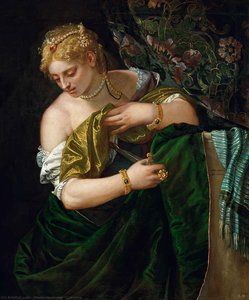 Lucretia - Paolo Veronese
In the quiet corners of the Kunsthistorisches Museum, Vienna, one encounters a moment where tragedy meets unparalleled splendor. Lucretia by Paolo Veronese is not merely a portrait; it is a dance of light and shadow frozen in time. As you stand before this 1580 masterpiece, the lines of the subject’s gown do not simply rest—they are choreographed , flowing with a rhythmic grace that guides your eye through a sea of Venetian opulence.
Veronese, a titan of the Venetian Renaissance, utilizes a rich, dramatic palette where deep golds and luminous fabrics emerge from a somber, velvety darkness. The texture of the oil paint captures the weight of silk and the shimmer of jewels, creating a sensory experience that feels almost tactile. While the subject’s expression whispers of profound melancholy and inner turmoil, the sheer brilliance of the composition brings a sense of harmony to her sorrow. To possess such a work is to invite that same breathtaking balance into one's own sanctuary, allowing your walls to breathe with the rhythmic, luminous soul of the Renaissance.
Christ Carrying the Cross - Pieter Bruegel the Elder
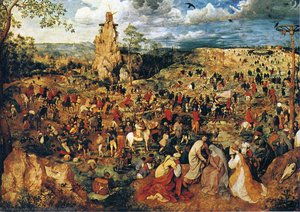 Christ Carrying the Cross - Pieter Bruegel the Elder
To stand before Pieter Bruegel the Elder’s Christ Carrying the Cross is to lose oneself in a magnificent, swirling tapestry of human existence. In this 1564 masterpiece, the artist does not merely depict a biblical event; he composes a symphony of chaos and quietude. As you gaze upon the canvas, notice how Bruegel uses light not just to illuminate, but to guide your soul through a dense, Mannerist landscape where the sacred and the secular collide.
The composition is breathtakingly complex, a crowded stage of 16th-century Flemish life. Amidst the earthy ochres, deep reds, and somber browns, you will find figures caught in moments of profound emotion—some mourning, others indifferent, all part of a larger, turbulent movement toward Calvary. The meticulous textures of fabric and skin, rendered with masterful precision, create a palpable sense of presence. It is a painting that breathes with the weight of history, inviting you to find stillness within its beautiful, overwhelming motion. This work remains a cornerstone of the Kunsthistorisches Museum collection, offering a window into the very heart of the Renaissance spirit.
Pathway in Monet's Garden at Giverny - Claude Monet
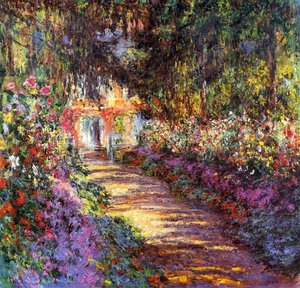 Pathway in Monet's Garden at Giverny - Claude Monet
To wander through the Kunsthistorisches Museum is to encounter many eras, but few moments feel as intimately alive as when you stand before Pathway in Monet's Garden at Giverny . This 1902 masterpiece by Claude Monet does not merely depict a landscape; it invites you into a sensory sanctuary. As you gaze upon the winding path, you are transported to the heart of Giverny, where the air feels heavy with the scent of damp earth and blooming flora.
Monet’s brushwork here is nothing short of transformative. Using a lush, impasto technique , he layers vibrant pinks, deep purples, and sun-drenched golds to capture the fleeting, ethereal glow of a setting sun. The thick, expressive strokes create a palpable texture that breathes life into every petal and leaf. This painting is a journey for the soul—a serene exploration of light and color that turns a simple garden stroll into a profound experience of peace. For those seeking to bring this same sense of luminous tranquility into their own homes, this work remains an eternal symbol of nature's quiet majesty.
Miracle of St. Ignatius of Loyola - Peter Paul Rubens
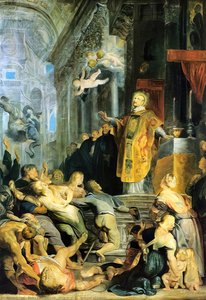 Miracle of St. Ignatius of Loyola - Peter Paul Rubens
To stand before the Miracle of St. Ignatius of Loyola by Peter Paul Rubens is to be swept into a whirlwind of divine drama and celestial light. In this breathtaking Baroque masterpiece, the air seems to vibrate with the intensity of the Counter-Reformation, as Rubens uses his legendary mastery of chiaroscuro to illuminate a moment where the earthly and the divine collide. The painting earns its place among the top 25 artworks in the Kunsthistorisches Museum through its unparalleled emotional scale; the swirling composition, rich with deep crimsons and radiant golds, guides the eye through a sea of human devotion and supernatural intervention.
Rubens does not merely paint a scene; he orchestrates a sensory experience of movement and faith. The way the light catches the heavy textures of the robes and the desperate expressions of the supplicants creates a profound psychological depth that has influenced visual culture for centuries. At ArtsDot, we believe such transformative beauty should not be confined to a Viennese palace. Through our high-fidelity, hand-painted oil reproductions, you can capture this very same sense of grandeur and spiritual energy, bringing the luminous, dramatic presence of Rubens into the heart of your own home or personal gallery.
Children's Games - Pieter Bruegel the Elder
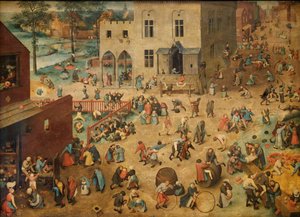 Children's Games - Pieter Bruegel the Elder
To stand before Pieter Bruegel the Elder’s Children's Games is to be swept into a whirlwind of 16th-century vitality. It is not merely a painting; it is a symphony of movement, where every corner of the canvas breathes with the exuberant energy of a Flemish village. Bruegel does not simply depict play; he composes a landscape of human connection, using an earthy palette of ochre, deep reds, and soft blues to weave a tapestry of communal joy.
As your eyes wander through this densely populated masterpiece, you discover a world of meticulous detail: children rolling hoops, navigating stilts, and lost in the simple magic of toys. There is a profound, rhythmic beauty in how Bruegel captures these fleeting moments of innocence against the backdrop of sturdy, rustic architecture. The light here feels diffused and gentle, illuminating the textures of the crowd and inviting you to rediscover the timeless, universal warmth of childhood. It remains one of the most captivating treasures within the Kunsthistorisches Museum, offering a soulful portal into the very heart of human social harmony.
Stormy Landscape - Peter Paul Rubens
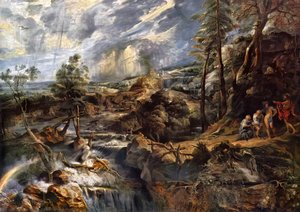 Stormy Landscape - Peter Paul Rubens
In the grand, echoing halls of the Kunsthistorisches Museum, Vienna, few works command the air with such visceral energy as Stormy Landscape by Peter Paul Rubens. This 1625 masterpiece serves as a breathtaking window into the Baroque soul, where the boundary between the heavens and the earth dissolves in a spray of mist and light. Rubens does not merely paint a scene; he orchestrates a symphony of movement, using thick, expressive impasto to capture the rugged textures of cascading waterfalls and the turbulent, bruised clouds of an approaching storm.
As one of the top 25 artworks in this storied collection, it stands as a testament to the artist's ability to weave human drama into the very fabric of nature. The subtle appearance of a rainbow amidst the chaos offers a poignant symbol of hope and divine promise, inviting us to reflect on resilience amidst life's inevitable tempests. For the modern collector, bringing the spirit of this monumental work into a home means embracing a timeless conversation between raw power and luminous beauty, creating a space that feels both profoundly alive and deeply contemplative.
Susanna and the Elders - Jacopo Tintoretto
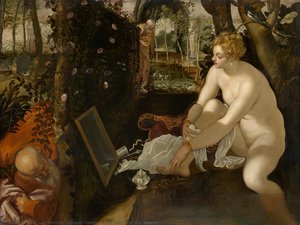 Susanna and the Elders - Jacopo Tintoretto
To stand before Jacopo Tintoretto’s Susanna and the Elders is to witness the very heartbeat of the Venetian Renaissance. In this breathtaking masterwork, the artist—famously known as Il Furioso —transports us into a moment of profound moral tension. The scene is bathed in a dramatic, theatrical light that dances across Susanna’s soft, luminous skin, creating a striking contrast against the shadowed, predatory presence of the elders. You can almost feel the humidity of the lush, overgrown garden and hear the quiet ripple of the water nearby.
Tintoretto employs his signature swift brushwork and deep chiaroscuro to weave a narrative of vulnerability and virtue. The composition pulls you into the drama, using organic shapes and rich textures to heighten the emotional stakes of this biblical encounter. Owning a piece of this legacy is not merely about decoration; it is an inheritance of taste. At ArtsDot.com, we invite you to bring this lineage of grandeur into your own home, where the light-drenched spirit of the masters can live on your walls forever.
Jupiter and Io - Antonio Allegri da Correggio
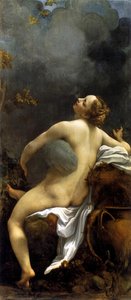 Jupiter and Io - Antonio Allegri da Correggio
In the presence of Jupiter and Io by Antonio Allegri da Correggio, one does not merely observe a painting; one experiences a soft, atmospheric embrace. The composition is a masterclass in organic geometry, where the diagonal sweep of Io’s reclining form creates a rhythmic flow that guides the eye through a landscape of shadow and light. There is a profound structural harmony here, found in the way the delicate, luminous curves of the human figure are balanced against the turbulent, billowing clouds and the dark, grounding weight of the earth.
This exquisite equilibrium between movement and stillness creates a sense of timeless perfection, securing its place among the top 25 artworks in Kunsthistorisches Museum, Vienna . Much like the principles of modern minimalist design, where strength is found in intentionality and the removal of excess, Correggio uses chiaroscuro to strip away the peripheral, leaving only the emotional essence of the encounter. The painting’s internal balance offers a sophisticated anchor for contemporary interiors, providing a soulful, classical depth that grounds a clean, modern aesthetic with its enduring, poetic grace.
The Large Forest - jacob isaackszoon van ruisdael
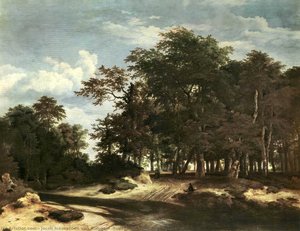 The Large Forest - jacob isaackszoon van ruisdael
To stand before The Large Forest by Jacob van Ruisdael is to lose oneself in the quiet, breathing heart of the Dutch Golden Age. As you wander through the Kunsthistorisches Museum in Vienna, this masterpiece emerges from the shadows with a profound, somber serenity. The air within the painting feels heavy and cool, scented by damp earth and ancient moss. Ruisdael, the master of the dramatic landscape, employs a muted palette of deep greens and earthen browns, using masterful light to suggest a soft, diffused glow filtering through an overcast canopy.
The composition draws your eye along a winding path that disappears into the verdant depths, where a solitary figure stands near a rugged rock formation—a poignant reminder of our own smallness amidst nature's enduring strength. The texture of the bark and the delicate, layered glazes create a tactile realism that is truly captivating. Bringing such a piece into your own home offers more than mere decoration; it invites a sense of contemplative solitude and natural elegance, transforming any modern space into a sanctuary of timeless, woodland peace.
Madonna del Rosario (detail) - Caravaggio
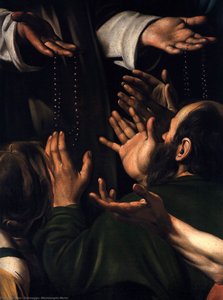 Madonna del Rosario (detail) - Caravaggio
In the quiet corners of the Kunsthistorisches Museum, Vienna, one cannot help but be arrested by the raw, pulsing emotion found within the detail of Caravaggio’s Madonna del Rosario . To gaze upon this work is to witness a profound dialogue between the divine and the deeply human. The light does not merely illuminate; it pierces through an impenetrable darkness, casting a radiant, celestial glow upon the Virgin Mary and the Christ Child. This masterful use of tenebrism creates a sense of breathless intimacy, as if we are standing amidst the crowd of ordinary, weathered faces, sharing in their silent reverence.
Caravaggio’s ability to capture the weight of human existence—the textures of skin, the shadows of doubt, and the brilliance of faith—makes this piece an essential pillar among the top 25 artworks in Kunsthistorisches Museum, Vienna. Bringing the dramatic tension and soulful chiaroscuro of such a masterpiece into your own home can transform a personal sanctuary into a space for profound reflection, inviting a sense of quiet, powerful drama into your daily life.
The Fight between Carnival and Lent - Pieter Bruegel the Elder
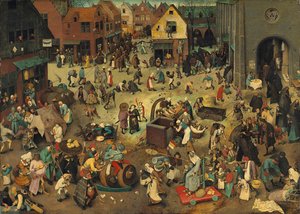 The Fight between Carnival and Lent - Pieter Bruegel the Elder
In the vibrant, swirling chaos of The Fight between Carnival and Lent by Pieter Bruegel the Elder, one finds a heartbeat of human existence frozen in a magnificent, panoramic dance. This masterpiece stands among the top 25 artworks in the Kunsthistorisches Museum, Vienna, not merely for its scale, but for its profound ability to capture the eternal tension between earthly indulgence and spiritual restraint. Bruegel invites us into a bustling town square where the sensory richness is overwhelming: the boisterous laughter of revelers on the left, draped in the warm, golden hues of feast days, clashes beautifully against the somber, muted tones of the pious worshippers on the right.
The painting breathes with life through its intricate textures—from the glint of a beer mug to the solemn flicker of a prayer candle. As you wander through this Northern Renaissance marvel, the allegorical jousting serves as a timeless mirror to our own seasonal rhythms. For the modern collector, bringing the spirit of Bruegel into a home offers more than decoration; it introduces a sophisticated narrative of human complexity and a window into a world where every brushstroke tells a story of joy, devotion, and the beautiful struggle of life.
Kardinal Niccolò Albergati (?) - Jan van Eyck
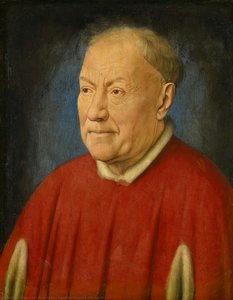 Kardinal Niccolò Albergati (?) - Jan van Eyck
In the presence of Jan van Eyck’s Kardinal Niccolò Albergati (?) , one is immediately enveloped by a profound, regal crimson. This deep, saturated red of the Cardinal’s robes does more than signify ecclesiastical power; it radiates a warmth and weight that anchors the soul, set against a luminous, ethereal blue background that feels almost infinite. As one of the top 25 artworks in Kunsthistorisches Museum, Vienna, this piece stands as a masterclass in the Early Netherlandish revolution, where Van Eyck’s pioneered use of oil glazes allows light to breathe from within the pigment itself.
For the discerning collector looking to curate a sophisticated atmosphere, this painting offers a breathtaking blueprint. The interplay between the commanding red and the serene azure can be used to introduce a sense of historical dignity and emotional depth to a modern dining room or study. By echoing these rich, velvety tones in your interior palette, you can recreate the same contemplative, light-drenched mood found in the halls of Vienna, transforming a contemporary space into a sanctuary of classical elegance.
Three Philosophers - Giorgione
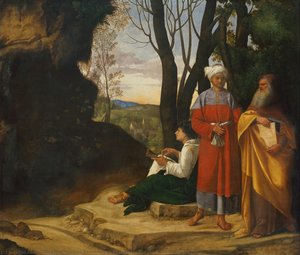 Three Philosophers - Giorgione
In the quiet corners of the Kunsthistorisches Museum, Vienna, Giorgione’s Three Philosophers stands as a profound meditation on balance and mystery. The composition is anchored by a masterful geometric arrangement; the verticality of the three figures creates a rhythmic stability against the rugged, horizontal weight of the weathered cliffs. This structural harmony—a triad of souls positioned with deliberate, triangular precision—imbues the work with a sense of timeless perfection that has captivated collectors for centuries.
As you observe the interplay of light and shadow, notice how the soft sfumato technique blurs the edges between man and nature, creating an atmospheric haze that feels almost dreamlike. The rich, crimson robes provide a singular, vibrant pulse against the muted ochres and umbers of the landscape. There is a striking parallel here to modern minimalist design; the painting’s ability to convey deep intellectual complexity through a restrained, earthy palette and essential forms allows it to ground a contemporary aesthetic with effortless grace. It remains an essential pillar among the top 25 artworks in this magnificent museum.
Jane Seymour, Queen of England - Hans Holbein the Younger
 Jane Seymour, Queen of England - Hans Holbein the Younger
To stand before Hans Holbein the Younger’s Jane Seymour, Queen of England is to encounter a profound, breathless silence. Before your eyes even trace the crimson richness of her gown, you feel the heavy, somber atmosphere of the Tudor court in 1536—a moment suspended between the tragedy of Anne Boleyn and the uncertain hope of a new era. There is an intimate, almost haunting stillness in her gaze that pulls you away from the modern world and into the gravity of history.
Holbein, a master of Northern Renaissance realism, eschews flamboyant drama for a meticulous, photographic precision. Every delicate fold of fabric and the subtle tension in her hands speak of a woman navigating the precipice of power and vulnerability. This portrait earns its place among the top 25 artworks in Kunsthistorisches Museum, Vienna because it transcends mere royal documentation; it captures the very soul of human resilience. Bringing such a piece into one's personal space—perhaps through a bespoke oil reproduction—allows us to invite that same sense of dignified serenity and historical depth into our daily lives, reminding us of the enduring strength found in quiet grace.
Girl in a Fur - Titian Ramsay Peale II
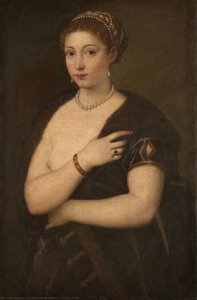 Girl in a Fur - Titian Ramsay Peale II
While many visitors to the Kunsthistorisches Museum, Vienna seek the original Venetian masters, they are often captivated by a profound historical echo: Titian Ramsay Peale II’s Girl in a Fur . Born into an American dynasty of naturalists and portraitists, Peale II did not merely copy the Renaissance; he breathed new life into the Venetian spirit through a lens of scientific observation and classical reverence. This work is a masterclass in the interplay of texture and light, where the heavy, tactile luxury of the fur cloak contrasts with the luminous, delicate skin of the subject.
The painting captures a moment of tantalizing ambiguity, utilizing opulent pearls and intricate jewelry to evoke the high-status allure of a bygone era. Peale II’s ability to balance the provocative Venus Pudica pose with a sense of quiet, scholarly dignity is breathtaking. Such a sophisticated command of composition and symbolic depth offers more than just visual beauty; it provides an atmosphere of intellectual rigor and timeless grace, making it an ideal inspiration for those seeking to cultivate a refined and focused environment within a modern home study or private library.
The Conquest of Jerusalem by Emperor Titus - Nicolas Poussin
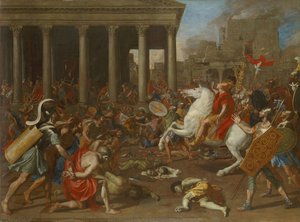 The Conquest of Jerusalem by Emperor Titus - Nicolas Poussin
In The Conquest of Jerusalem by Emperor Titus , Nicolas Poussin orchestrates a breathtaking display of light that serves as the very heartbeat of this historical drama. The way the illumination pierces through the chaos of 70 AD, catching the glint of Roman steel and the muscular tension of charging horses, is nothing short of masterful. Poussin utilizes a sophisticated command of chiaroscuro to guide our eyes through the tumult, casting deep, velvety shadows that contrast sharply with the brilliant, sun-drenched figures in the foreground. This interplay of light does more than just illuminate a scene; it breathes life into the classical tragedy, securing its rightful place among the top 25 artworks in Kunsthistorisches Museum, Vienna .
To possess a hand-painted reproduction of such a work is to invite a profound sense of history and architectural grandeur into your own home. The dramatic shadows and luminous highlights, when captured through meticulous oil brushstrokes, add an incomparable layer of depth and intellectual luxury to any contemporary wall, transforming a simple space into a curated gallery of emotional resonance.
Diptych - Rogier van der Weyden
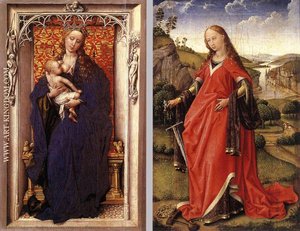 Diptych - Rogier van der Weyden
To encounter the Diptych by Rogier van der Weyden within the hallowed halls of the Kunsthistorisches Museum is to witness a profound meditation on devotion captured in miniature. Though small in scale, this 1440 masterpiece radiates an immense spiritual weight, inviting us into a sacred dialogue between the earthly and the divine. Van der Weyden employs the luminous possibilities of early oil painting to weave a narrative of maternal tenderness and sacrificial strength.
On one panel, a figure in celestial blue cradles an infant with serene contemplation, while her counterpart, draped in scarlet robes and clutching a symbolic sword, embodies the courage of faith. The meticulous textures—the soft skin of the child, the heavy folds of regal fabric, and the distant, misty landscapes—create a sensory experience that feels remarkably modern in its intimacy. In an era where we often seek moments of quiet reflection amidst digital noise, this work remains a vital cultural touchstone, reminding us of the enduring power of human emotion and the delicate beauty found in the smallest, most sacred details of our shared existence.
The Procession to Calvary [detail] - Pieter Bruegel the Elder
![The Procession to Calvary [detail]](/media/artworks/images-thumb/32/c5/32c52a8c054c3755b769d95ed8a42796.jpg) The Procession to Calvary [detail] - Pieter Bruegel the Elder
The Procession to Calvary [detail] - Pieter Bruegel the ElderTo gaze upon the detail of The Procession to Calvary by Pieter Bruegel the Elder is to lose oneself in a swirling, rhythmic dance of human existence. Within this fragment of one of the most profound masterpieces in the Kunsthistorisches Museum, Vienna, we find a world where the sacred and the mundane are inextricably entwined. Bruegel does not merely paint a religious event; he captures the very pulse of 16th-century life through a lens of breathtaking Northern Renaissance detail.
The eye is immediately drawn to the textured movement—the muscular tension of horses, the heavy folds of period clothing, and a palette of earthy ochres and deep, somber reds that feel almost tactile. There is a gaze within this work that follows you—not with judgment, but with understanding . It is not a portrait of a single soul, but a mirror reflecting our own capacity for both fervor and detachment. As you wander through the museum's halls, imagine bringing this window into history into your own home, where its vibrant, crowded energy serves as a constant, beautiful reminder: we are all part of a much larger, unfolding story.
Conclusion
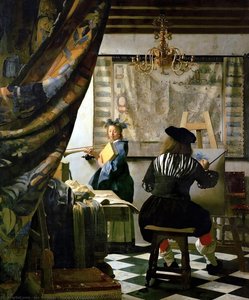
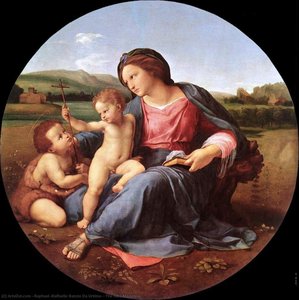
As the golden light of a Viennese dusk settles over the grand halls of the Kunsthistorisches Museum, one realizes that these masterpieces are far more than mere relics of a bygone era; they are living, breathing presences. The quiet gaze of a Vermeer, the profound shadows of a Rembrandt, and the celestial grace of Raphael do not belong solely to the past. They reside in the way a certain light hits a room, in the way a brushstroke can stir a forgotten memory, and in the enduring human connection to beauty that transcends the centuries. These works continue to shape our inner landscapes, offering us moments of stillness and profound inspiration amidst the rush of modern life.
At ArtsDot.com , we believe this magic should not be confined to museum walls. We strive to bring that same emotive power into your personal sanctuary, ensuring that the soul of each original is honored through our meticulous, hand-painted reproductions. Our artists do not simply copy; they breathe life into every layer of oil and texture, capturing the very essence—the light, the movement, and the emotion—that makes these treasures eternal. Whether you are seeking to recreate a sense of classical grandeur or find a single piece that speaks to your heart, we invite you to explore our full collection and bring the timeless spirit of Vienna into your home.