
The Ephemeral vs. The Eternal: Moving Beyond the Digital Snapshot
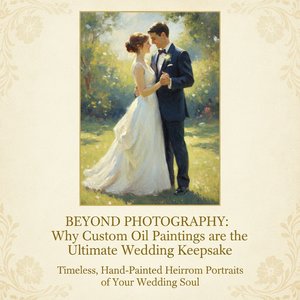 Beyond Photography: Why Custom Oil Paintings are the Ultimate Wedding Keepsake
The Ephemeral vs. The Eternal: Moving Beyond the Digital Snapshot Portrait photography Portrait photography, or portraiture, is a type of photography aimed toward capturing the personality of a person or group of people by using effective lighting, b...
In our contemporary era of instant gratification, the wedding day is often documented through a relentless barrage of digital imagery. We live within a high-resolution perfection where every smile, every tear, and every flicker of candlelight is captured by the unblasting eye of the lens. Yet, as newlyweds navigate the whirlwind of post-wedding celebrations, a profound realization often emerges: while photography captures the fact of the event, it rarely captures its soul. The digital photograph, for all its crystalline clarity, remains a fleeting fragment of light—a reproducible, easily replicable moment that exists on a screen or a glossy paper surface, susceptible to the rapid decay of digital formats and the shifting tides of technological trends.
There is an inherent limitation in the snapshot; it is bound by the literal. It records the exact placement of a bouquet or the specific shade of a silk gown, but it lacks the capacity to interpret the atmosphere. When we look back at a photograph, we see what was there, but when we gaze upon a painting, we feel what was felt. The transition from the digital to the painterly is a movement from mere documentation to profound interpretation, shifting the focus from the recording of a day to the preservation of an emotion that transcends the temporal boundaries of the wedding itself.
The Art of Lineage: Establishing a Visual Family Record
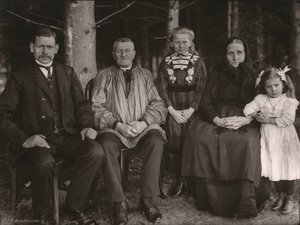 Farming generations
Captivating Family Portrait in Timeless Monochrome This evocative black-and-white photograph masterfully captures a multigenerational family group, offering a poignant glimpse into familial bonds and social history. Set against a natural outdoor back...
Historically, portrait painting has served as much more than a display of aesthetic taste; it has functioned as a vital instrument for memorializing the rich and powerful, acting as both state and family records. To commission a portrait is to participate in an ancient tradition of creating a visual lineage. Just as the great houses of the past used oil on canvas to anchor their history within the walls of their estates, a modern custom painting serves as a cornerstone for a family’s identity. These works are not merely decorations; they are witnesses to the passage of time and the continuity of bloodlines.
Consider the profound impact of a multigenerational group portrait. Such an image embodies respect, tradition, and the enduring connection between ancestors and descendants. By transforming a singular moment of union into a formal work of art, parents provide their children with a tangible connection to their origins. This practice transforms a private memory into a public legacy, ensuring that even as generations pass, the essence of the family’s foundation remains visible, commanding the space it occupies within the ancestral home.
From Sentiment to Heirloom: The Enduring Value of Painterly Interpretation
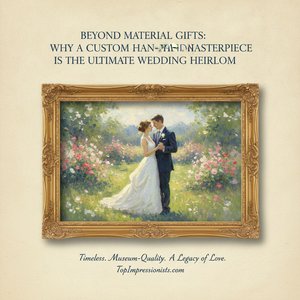
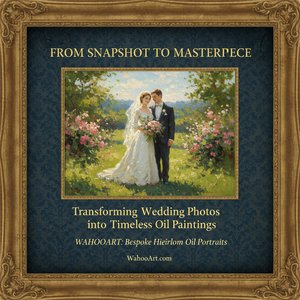 From Snapshot to Masterpiece: Transforming Wedding Photos into Timeless Oil Paintings
Why Transform Your Wedding Photo into an Oil Painting? Your wedding day is a singular moment, brimming with love, joy, and the promise of forever. While photographs capture a fleeting glimpse of that special day, an oil painting offers something far ...
While registry gifts serve a practical purpose—filling a kitchen with high-end appliances or a bedroom with designer linens—they often lack the emotional resonance that marks a true milestone. In a world saturated with mass-produced items, the true value of a gift lies in its ability to transcend the ephemeral nature of modern life. Traditional wedding presents, no matter how expensive, are subject to the inevitable decay of technology and the changing whims of interior design. They are temporary fixes for a new home, but they do not anchor a history.
A custom oil painting, however, offers something far more enduring. The artistry involved elevates the gift beyond mere sentimentality to a work of art that can be admired for centuries. Through the use of rich textures, subtle color variations, and nuanced details that a camera cannot replicate, an oil painting interprets the subject through an artistic lens. It adds depth, emotion, and a sense of permanence. This is the transition from a snapshot to a masterpiece—where a wedding photo is elevated into a cherished heirloom, a conversation starter, and a constant, silent witness to a couple's journey through the decades.
Curating a Legacy: Selecting Styles and Subjects for Future Generations
 Family Group in a Landscape
Introduction to Frans Hals and his Artistic Style Frans Hals (c. 1580-1666) was a Dutch Golden Age painter, renowned for his lively and expressive portraits. He is considered one of the greatest portrait painters in history, known for capturing the i...
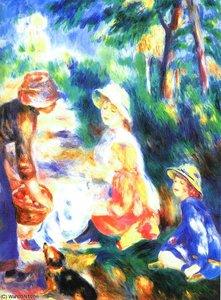
The true luxury of custom art lies in the ability to remix history to suit one’s personal narrative. When planning a legacy piece, one is not limited to a single aesthetic; rather, one can choose the very language of the era they wish to evoke. For those who desire a sense of romantic movement, requesting a painting in the light-drenched, impressionistic style of Monet can imbue a wedding scene with ethereal beauty. Conversely, for a more dramatic and commanding presence, the heavy impasto and bold textures of Van Gogh can transform a simple moment into a vibrant, tactile experience.
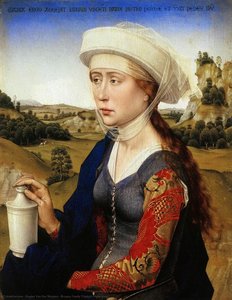
One may even engage in "Period Shifts," a sophisticated technique where a modern photograph is reimagined as a 17th-century masterpiece. Imagine a contemporary wedding portrait executed with the chiaroscuro mastery of Rembrandt, or a family group rendered with the understated elegance and quiet dignity found in the Flemish works of Cornelis de Vos. By selecting these specific historical styles, you are not just commissioning a portrait; you are curating an aesthetic atmosphere that will define your home’s character for your children and grandchildren.
The Craft of Permanence: Materials, Longevity, and Preservation
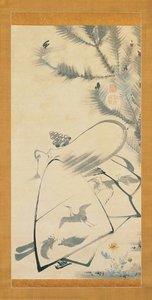 Fukurojin, the God of Longevity and Wisdom
Experience Jakuchū's masterful Edo period ink painting of Fukurojin, the God of Longevity, showcasing expressive brushwork and serene natural detail for your collection.
To ensure that a commissioned work survives the centuries, one must look beneath the surface to the chemistry of the art itself. A true masterpiece is built upon a foundation of academic excellence and superior materials. This begins with 100% cotton canvas, prepared with flexible gesso to prevent the cracking that plagues lesser works. The use of specific oils, such as safflower for whites, is essential to prevent the dreaded yellowing that can obscure the artist's original intent over time.
The final layer of protection—the Damar varnish—acts as a shield against dust, moisture, and atmospheric pollutants, ensuring the pigments remain vibrant for generations. When investing in such a legacy, the structural integrity of the piece is paramount; professional framing using solid wood, gold leaf, or espresso finishes, combined with reinforced, braced stretcher bars, prevents warping and physical degradation. This commitment to craftsmanship ensures that the painting remains not just a memory, but a living, breathing piece of history, capable of being passed down through the ages as a testament to a love that was meant to endure.
At ArtsDot.com, we specialize in the creation of these eternal legacies. From bespoke oil reproductions of your most cherished wedding photographs to large-scale architectural murals for grand estates, our academy-trained artists bring historical mastery to every brushstroke. We invite you to explore our collection and our custom commission services, where we transform the ephemeral moments of today into the timeless masterpieces of tomorrow.