
The Psychology of Place: Art as an Emotional Anchor for the Modern Traveler
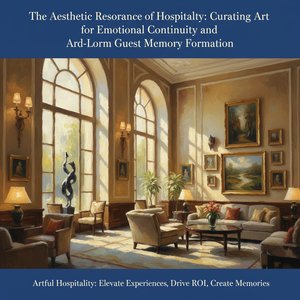 The Aesthetic Resonance of Hospitality: Curating Art for Emotional Continuity and Long-Term Guest Memory Formation
The Psychology of Place: How Art Shapes Guest Perception & Memory Psychology of art The psychology of art is the scientific study of cognitive and emotional processes precipitated by the sensory perception of aesthetic artefacts, such as viewing a pa...
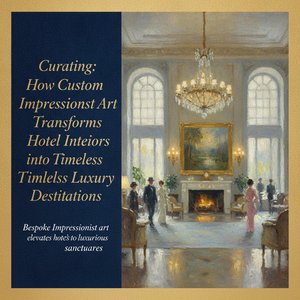
In the contemporary landscape of luxury hospitality, the definition of excellence has undergone a profound metamorphosis. For generations, the hallmark of a premier establishment was found in the predictable perfection of service and the opulent weight of fine linens. Yet, as we navigate an era of unprecedented accessibility to luxury, the discerning traveler no longer seeks merely a sanctuary for rest; they seek a sanctuary for the soul. This shift has elevated the role of art from a secondary decorative element to a primary psychological anchor. When a guest enters a beautifully curated space, they are not simply entering a room, but an emotional ecosystem. The presence of a masterfully executed oil painting or a thought-imposing sculpture triggers complex cognitive and emotional processes, creating what scholars call the psychology of place. Through the sensory perception of aesthetic artifacts, a transient hotel room is transformed into a meaningful destination, imbuing the space with a sense of permanence and profound connection.
The power of this connection lies in the ability of art to influence the emotional tenor of an environment. Consider the subtle yet commanding influence of color psychology within a lobby or suite. The deliberate use of warm ochre or deep terracotta can evoke an immediate sense of intimacy and groundedness, while the introduction of cool cerulean tones promotes a state of meditative tranquility. This is not merely a matter of aesthetic preference but a strategic deployment of visual language. When art is integrated with such intention, it serves as a silent narrator, guiding the guest's mood from the moment of arrival to the quietude of departure, ensuring that their stay is marked by an emotional resonance that lingers long after they have checked out.
Beyond Decoration: Establishing Brand Narrative Through Curated Collections
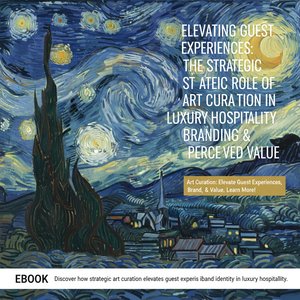 Elevating Guest Experiences: The Strategic Role of Art Curation in Luxury Hospitality Branding & Perceived Value
The Evolving Landscape of Luxury Hospitality: Beyond Comfort & Service Paintings in Hospitals Paintings in Hospitals is a UK charity using art to enhance wellbeing in health & community care settings since 1959. Explore our national collection featur...
To the visionary designer, art is the most potent tool in the arsenal of brand storytelling. While architecture provides the bones of a hotel, art provides its heartbeat and its history. In an age where brand identity must be more than a logo or a color palette, curated collections allow a property to communicate its values, its heritage, and its aspirations without uttering a single word. The transition from the grand hotels of the 19th century—which often used art as a mere display of wealth—to the modern boutique era has seen art become an essential component of identity creation. A collection that prioritizes local artists, for instance, fosters an authentic connection to the surrounding community, offering guests a window into the cultural fabric of their destination.
This curation is a deliberate and intellectual process. It requires moving beyond superficial beauty toward a deeper understanding of how a piece reflects the hotel's ethos. Whether it is a series of contemporary abstracts that signal a forward-thinking, avant-garde spirit, or meticulously rendered classical reproductions that evoke a sense of timeless prestige, every selection is an intentional gesture. By treating the hotel as a living gallery, designers can weave a cohesive narrative that differentiates the brand in a saturated market. This strategic integration ensures that the art does not merely sit upon the wall but becomes part of the very fabric of the brand's promise, turning a commercial space into a cultural landmark.
The Aesthetic Advantage: Leveraging Color and Composition to Shape Guest Perception
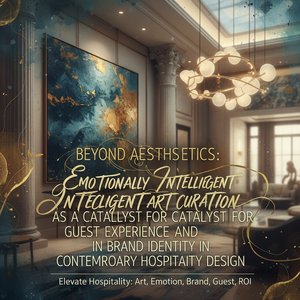 Beyond Aesthetics: Emotionally Intelligent Art Curation as a Catalyst for Guest Experience and Brand Identity in Contemporary Hospitality Design
The Evolving Role of Art: From Aesthetic Enhancement to Emotional Storytelling The Aesthetic Advantage: Leveraging Art as a Strategic Differentiator in Hospitality Design Discover how strategic art integration elevates hospitality design & enhances g...
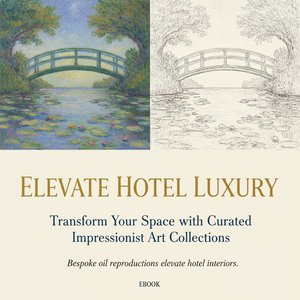
The mastery of composition and color is where the science of design meets the soul of artistry. For the hospitality professional, understanding the interplay of light, shadow, and pigment is crucial in shaping how a space is perceived. The Impressionists, with their unparalleled ability to capture the fleeting nuances of light, understood that a painting could do more than depict a scene; it could evoke an atmosphere. When we introduce works inspired by Monet’s water lilies or the vibrant, energetic brushstrokes of Van Gogh into a hospitality setting, we are inviting guests into a state of contemplation and wonder. The visible texture of impasto—the physical depth of the paint on canvas—adds a tactile dimension to the visual experience, enriching the sensory landscape of the room.
Furthermore, the strategic use of composition can manipulate the perceived scale and energy of an architectural space. A large-format mural or a multi-panel group set painting can expand the boundaries of a narrow corridor or add grandeur to a soaring atrium. By carefully managing the visual weight of these pieces, designers can direct the guest's gaze, creating focal points that anchor the room and prevent the eye from wandering aimlessly. This level of aesthetic precision ensures that every corner of the property contributes to a unified, high-end atmosphere, where the art works in harmony with the furniture, lighting, and architecture to create a seamless and breathtaking environment.
Strategic Differentiation: From Standardized Comfort to Immersive Storytelling
 Cultivating Identity: The Transformative Role of Art in Shaping Experiential Hospitality Landscapes
The Experiential Shift: Why Art is No Longer Optional in Hospitality What We Seee — Google Arts - Culture What We See operates entirely online—a modern adaptation of museum practices utilizing technology to broaden reach. For centuries, the spaces we...
The modern traveler is increasingly resistant to the "cookie-cutter" luxury that has long dominated the industry. There is a growing fatigue toward standardized comfort—the feeling of being in a high-end space that could be anywhere in the world. To combat this, hospitality design must pivot toward immersive storytelling. Art serves as the ultimate differentiator in this pursuit. It provides the "soul" that distinguishes a generic luxury suite from a bespoke experience. Through the use of custom commissions, such as transforming a personal milestone into a period-style masterpiece or reimagining modern photography through a Cubist lens, a hotel can offer something truly unique and unrepeatable.
This differentiation is achieved when art moves from being an afterthought to being the core concept. The rise of "art hotels" exemplifies this trend, where the environment is designed around the collection itself. By offering guests an opportunity for discovery—where they might stumble upon a beautifully restored 17th-century style portrait or a contemporary piece that challenges their perspective—the hotel becomes a destination in its own right. This level of engagement transforms the guest from a passive observer into an active participant in the hotel's cultural narrative, creating a sense of exclusivity and intellectual stimulation that cannot be replicated by amenities alone.
Architectural Integration: The Role of Large-Scale Murals and Bespoke Commissions
True luxury is often found in the bespoke. For the architect and interior designer, the challenge lies in integrating art so deeply into the structure that the boundary between decoration and architecture becomes blurred. This is where large-scale interventions, such as custom murals and ceiling frescoes, become transformative. Imagine a lobby where the ceiling is not merely a surface of plaster, but a breathtaking expanse reminiscent of the Sistine Chapel, painted on massive canvas rolls and installed with professional precision. Such works command attention and provide an immediate sense of awe, setting a tone of grandeur that defines the entire property.
Bespoke commissions allow for a level of customization that is essential for high-end projects. Whether it is a custom-sized multi-panel work designed to flow seamlessly across a wide staircase or a "period shift" piece that brings historical elegance to a modern setting, these elements are engineered to fit the specific architectural requirements of the space. This integration requires a sophisticated approach to logistics and craftsmanship, ensuring that the art is not just placed in a room, but is an integral part of its structural identity. When art is scaled to the architecture, it ceases to be an object and becomes an environment.
The ROI of Beauty: Cultivating Long-Term Loyalty through Sensory Memory
Ultimately, the strategic curation of art is an investment in the long-term value of the brand. The return on investment for high-end art is measured not just in immediate prestige, but in the formation of lasting guest memories. Neuroscience suggests that aesthetic appeal triggers dopamine release, creating positive associations and enhancing memory formation. When a guest experiences a moment of profound beauty within a hotel—a quiet moment of reflection before a masterpiece or the awe of entering a grand, art-filled hall—that experience is etched into their long-term memory. This emotional imprint is the foundation of brand loyalty.
In an era where digital reviews and social media visibility are paramount, a visually stunning, art-centric property provides endless opportunities for organic, high-value promotion. Guests do not just share photos of their rooms; they share photos of the experiences that moved them. By investing in a curated, high-quality art program, hospitality leaders are building a legacy of beauty and distinction. They are creating spaces that do more than host travelers; they inspire them, ensuring that the brand remains a cherished part of their personal travel narratives for years to come.
ArtsDot.com stands at the forefront of this artistic revolution in hospitality. As a global flagship for premium art services, we specialize in providing hotels and designers with the tools to execute these visionary concepts. From hand-painted oil reproductions that capture the soul of the Old Masters to bespoke large-scale murals and custom photo-to-masterpiece commissions, our mission is to bring museum-quality excellence to the world's most prestigious spaces. Whether you are seeking a professional art consultation to digitally place works within your design or require a dedicated Project Coordinator for complex bulk orders, ArtsDot.com offers the craftsmanship, heritage, and reliability required to transform hospitality into an unforgettable art form.