


The Ephemeral vs. The Eternal: Moving Beyond the Digital Snapshot
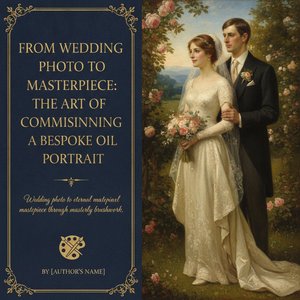
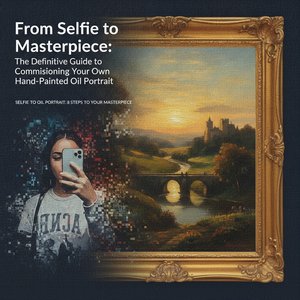 From Selfie to Masterpiece: The Definitive Guide to Commissioning Your Own Hand-Painted Oil Portrait
The Soul of the Canvas: Why Digital Memories Deserve Hand-Painted Transformation From Photo to Masterpiece: The Stress-Free 8-Step Guide to Commissioning Your Custom Oil Painting The Soul of the Canvas: Why Your Memories Deserve More Than a Digital P...
In our modern, hyper-connected era, we find ourselves navigating a relentless deluge of ephemeral imagery. We scroll through high-resolution perfection, documenting the exact shade of a wedding gown or the precise geometry of a summer landscape with clinical precision. Yet, photography, for all its technological advancement, often fails to interpret the soul. There is a quiet, profound difference between seeing a moment and truly feeling it. A digital photograph captures a fleeting second—a frozen, crystalline arrangement of pixels that documents an event but rarely its essence. It lacks the breath, the pulse, and the tactile resonance of the artist’s hand.
To transform a modern memory into the language of oil and canvas is to perform a kind of temporal alchemy, elevating a simple snapshot into a timeless heirloom that breathes with the depth of history. While a digital archive serves as a functional record, it remains trapped behind the flat glow of a screen. A true hand-painted reproduction, however, possesses a physical weight. It invites the viewer to step out of the digital stream and into a space where time slows down, allowing cherished milestones—the soft glow of a grandchild’s smile or the tranquil light of an afternoon—to be held captive within the luminous dance of color and pigment.
The Alchemy of Oil: Why Texture and Pigment Breathe Life into Memories
 Impasto
Impasto is a technique used in painting where paint is laid on an area of the surface thickly, usually thick enough that the brush or painting-knife strokes are visible. Paint can also be mixed right on the canvas. When dry, impasto provides texture;...
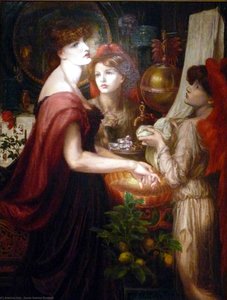
The true magic of fine art lies in its dimensionality, a quality that no printer, regardless of resolution, can ever truly replicate. When we speak of the soul of the canvas, we refer to the physical presence of the medium itself. The use of oil paint allows for a greater flexibility, a richer and denser color palette, and a sophisticated use of layers that creates a sense of depth impossible in digital formats. One can witness the subtle play of light on wet brushstrokes and feel the profound impact of impasto—that exquisite technique where paint is laid thickly upon the surface, making the artwork appear to emerge from the canvas itself.
This tactile richness provides a sensory experience that engages more than just the eyes. The visible texture of the artist's stroke captures the energy and speed of creation, adding an expressive layer to the subject matter. Whether it is the delicate glazing used to render translucent skin tones or the heavy, sculptural application of paint to capture the movement of clouds, these physical elements ensure that the memory is not just recorded, but inhabited. The interplay of light across these ridges and valleys of pigment creates a living artwork that changes as the sun moves through a room, ensuring the piece remains dynamic and eternally present.
Curating a Legacy: The Art of Commissioning Bespoke Portraits and Period Shifts
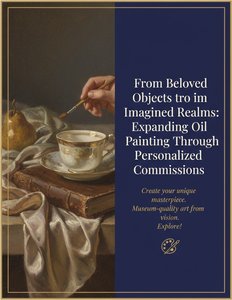 From Beloved Objects to Imagined Realms: Expanding Oil Painting Through Personalized Commissions
The Enduring Appeal of Commissioned Art: A Historical Perspective Wikipedia: Commission (art) In art, a commission is the act of requesting the creation of a piece, often on behalf of another. Artwork may be commissioned by private individuals, by th...
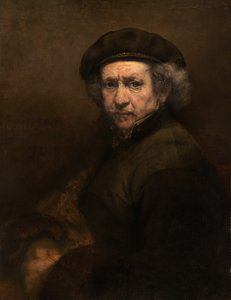
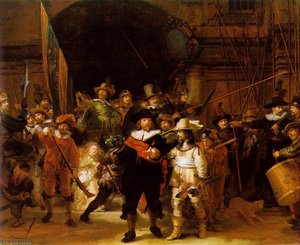
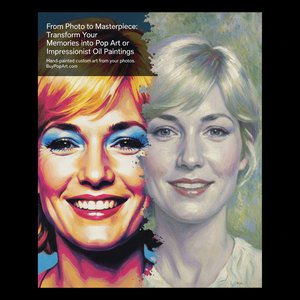
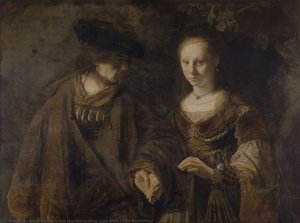
The act of commissioning art has been a cornerstone of human expression for centuries, rooted not merely in aesthetics, but in power, legacy, and deeply personal storytelling. From the grand frescoes adorning Renaissance palaces to the intimate portraits gracing Victorian homes, the tradition of the commission allows individuals to shape their own cultural narratives. Today, this noble practice finds a new frontier through the concept of the period shift. Imagine the ability to take a contemporary portrait and reimagine it through the lens of history—transforming a modern selfie into a 17-century masterpiece in the evocative, dramatic style of Rembrandt, or infusing a family photograph with the light-drenched, impressionistic spirit of Monet.
This level of customization allows for a profound personalization of one's surroundings. One might request a portrait to be painted in the thick, expressive impasto style of Van Gogh, turning a simple landscape into a swirling, emotional experience. Such commissions are not merely transactions; they are dialogues between the patron and the artist. By selecting specific historical styles or requesting the integration of beloved objects into imagined realms, the collector becomes a co-creator of their own legacy, ensuring that every piece of art in their collection tells a story that is uniquely theirs.
A Masterclass in Craftsmanship: From Professional Mockups to the Final Varnish
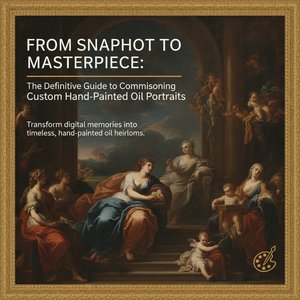 From Snapshot to Masterpiece: The Definitive Guide to Commissioning Custom Hand-Painted Oil Portraits
The Soul of the Canvas: Why Digital Memories Deserve a Hand-Painted Transformation From Photo to Masterpiece: The Stress-Free 8-Step Guide to Commissioning Your Custom Oil Painting The Soul of the Canvas: Why Your Memories Deserve More Than a Digital...
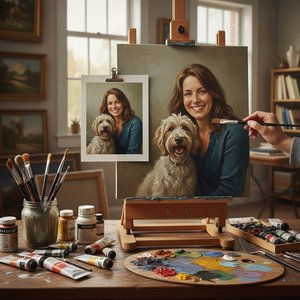
Achieving museum-grade excellence requires a meticulous, multi-stage process that honors the traditions of the Old Masters while utilizing modern precision. The journey begins long before the first drop of oil touches the canvas. To remove the uncertainty inherent in bespoke creation, professional digital mockups serve as an essential bridge. This stage allows for the refinement of composition, color matching, and even the complex task of combining individuals from different photographs into a single, cohesive group portrait. Revisions continue until the vision is perfected, ensuring the final painting meets the highest expectations.
Once the blueprint is set, the artist begins the labor of passion. Working on 100% cotton canvas, the painter applies layers of pigment over several weeks, allowing for the necessary drying time that gives oil its characteristic depth. This process is overseen by dedicated Project Coordinators who ensure every detail adheres to strict quality standards. After the painting reaches completion, it undergoes a final stage of protection: the application of a Damar varnish. This clear coating protects the surface from dust, moisture, and atmospheric pollutants, while also enhancing the saturation of the colors. The result is a durable, archival masterpiece, finished with professional framing in solid wood—be it gold leaf or deep espresso—to ensure the work is ready to command its place in a refined interior.
Architectural Integration: Transforming Spaces with Large-Format Custom Works
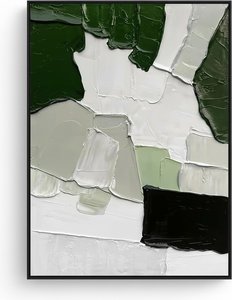 Handpainted Abstract Oil Canvas in Black Frame
Embrace Abstract Expressionism: A Handpainted Oil Canvas Masterpiece This striking oil canvas painting introduces a captivating abstract design to your living space. Layers of rich green hues – from deep forest shades to subtle olive and pale sage – ...
For the discerning eye, art is not merely an accessory but an architectural element. True luxury lies in the ability to manipulate the very atmosphere of a room through scale and placement. This is particularly evident in the rising trend of multi-panel paintings, where a single, breathtaking image is split across three, four, or even five panels. This technique is ideal for wide walls or grand staircases, creating a modern, rhythmic flow that guides the eye across the architectural landscape of a home. The artist ensures that brushstrokes and color transitions remain seamless across every panel, maintaining a cohesive and sophisticated aesthetic.
Beyond individual panels, the possibilities extend to the very bones of a structure through large-format murals and even ceiling frescoes. For hotels, restaurants, or grand private estates, these works are painted on massive canvas rolls, allowing for the recreation of historical grandeur—such as the breathtaking ceilings of the Sistine Chapel—within a contemporary setting. When integrated correctly, these large-scale works act as visual anchors, providing a sense of permanence and grandeur that defines the character of a space, much like the monumental works commissioned by the great patrons of the Renaissance.
The Collector's Investment: Preserving Personal History through Fine Art
 Oil painting
Oil painting is a painting method involving the procedure of painting with pigments combined with a drying oil as the binder. It has been the most common technique for artistic painting on canvas, wood panel, or copper for several centuries. The adva...
Ultimately, the acquisition of custom fine art is an investment in the preservation of identity. Unlike mass-produced decor, a hand-painted oil reproduction is a unique object, a testament to human skill and personal significance. To protect this investment for generations, understanding the chemistry of art is paramount. The use of high-quality materials—such as flexible gesso to prevent cracking and specific oils like safflower to ensure whites do not yellow—ensures that the vibrancy of the work remains undiminished by time.
As a collector, one must also consider the long-term stewardship of these pieces. Proper care, such as using acid-free matting and avoiding direct sunlight, ensures that the pigments remain as vivid in fifty years as they are on the day of delivery. Whether you are transforming a personal milestone into a masterpiece or acquiring a piece of reimagined history, you are participating in a timeless tradition of curation. At ArtsDot.com, we facilitate this journey of discovery and creation, offering a global marketplace where academic excellence meets personal passion, ensuring that your most cherished memories are forever immortalized in the enduring language of fine art.