


The Chiaroscuro Concept: Mastering Light and Shadow in Fine Dining
 Chiaroscuro
In art, chiaroscuro (English: kee-AR-ə-SKOOR-oh, -SKURE-, Italian: [ˌkjaroˈskuːro]; lit. 'light-dark') is the use of strong contrasts between light and dark, usually bold contrasts affecting a whole composition. It is also a technical term used by a...
In the realm of high-end gastronomy, the sensory experience begins long before the first course arrives at the table. It commences with the atmosphere—that intangible, ethereal quality that envelops a guest upon entry. To achieve true distinction, one must look beyond mere illumination and embrace the profound Italian concept of chiaroscary. This technique, literally translating to "light-dark," is far more than a lighting preference; it is a sophisticated method of using strong contrasts to sculpt space, create volume, and direct the eye. Just as the masters of the Baroque period used dramatic shifts in luminosity to breathe life into their canvases, a discerning restaurateur can use light to define the very soul of their establishment.
When we speak of chiaroscuro in a culinary context, we are discussing the intentional interplay between brilliance and obscurity. It is the art of knowing where to let the light fall—perhaps upon the crystalline rim of a vintage flute or the rich, glistening texture of a reduction—and where to allow the shadows to linger. This deliberate tension creates a sense of depth and mystery, transforming a dining room from a mere physical space into a theatrical stage. By mastering this balance, you invite your guests into a world that feels both intimate and expansive, much like the captivating works of Caravaggio or Rembrandt, where every shadow holds a secret and every highlight tells a story.
Architectural Illumination: Using Contrast to Define Restaurant Zones
 Dining Recess
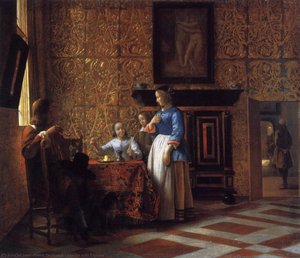
Patrick Caulfield’s ‘Dining Recess’: A Study in Isolation and Design Patrick Caulfield's “Dining Recess,” completed in 1972, is more than just a depiction of a dining room; it’s a meticulously crafted meditation on loneliness, observation, and the su...
A truly magnificent restaurant is not a monolithic space but a collection of curated moments. Through the strategic application of light and shadow, an architect of atmosphere can delineate different zones without the need for intrusive physical barriers. Consider the power of a single, focused beam of light in a darkened corner, much like Patrick Caulfield’s Dining Reclass, where a brilliant white globe lamp dominates a muted interior. Such contrast creates a focal point, drawing guests toward a specific lounge area or an intimate alcove, effectively creating "rooms within rooms" through pure visual weight.
This architectural use of light allows for a sophisticated flow of movement and emotion. Soft, diffused light can be employed in transition corridors to provide a sense of calm, while more dramatic, low-key lighting can define the high-energy pulse of a central bar. By manipulating the intensity of light, you guide the guest's journey, using shadows to provide privacy and highlights to signal communal celebration. This technique ensures that each area of your establishment possesses its own unique identity, contributing to a cohesive yet multifaceted narrative that keeps the dining experience perpetually engaging.
The Painterly Plate: Applying Renaissance Lighting Techniques to Food Presentation
Chiaroscuro (Italian for "light-dark") is part of bel canto, an originally Italian classical singing technique in which a brilliant sound referred to as squillo is coupled with a dark timbre called scuro. The overall sound is often perceived as havin...
The plate itself is the ultimate canvas for culinary chiaroscuro. The chef, much like a Renaissance painter, must consider how light interacts with the textures and colors of their ingredients. A dish presented under flat, uniform lighting loses its dimension; it becomes two-dimensional and uninspiring. However, when light is directed to catch the ridges of a delicate pastry or the succulent sheen of a seared protein, the food gains a sculptural quality. This is the essence of sfumato—the subtle blending of tones that creates an illusion of three-dimensionality.
To elevate food presentation to the level of fine art, one must think in terms of highlights and shadows. The use of directional lighting can accentuate the "squillo" or brilliance of a dish, much like the bright resonance in bel canto opera, while deeper, darker tones provide the necessary "scuro" to ground the composition. When a guest views a plate that possesses this painterly depth, they are not merely looking at food; they are witnessing a masterpiece of texture and light. This visual feast prepares the palate, heightening anticipation and reinforcing the prestige of your culinary offerings.
Visual Storytelling: Curating Artwork that Complements Culinary Moods
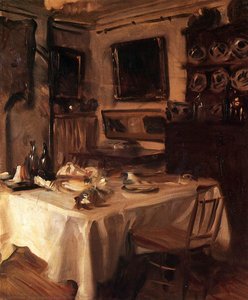 My Dining Room
A Window Into Parisian Elegance: Exploring Sargent’s “My Dining Room” John Singer Sargent's "My Dining Room," completed in 1885, isn’t merely a depiction of an interior; it’s a masterful distillation of Impressionistic ideals and a poignant reflectio...
The walls of a luxury restaurant should never be mere afterthoughts; they are the silent narrators of your brand's history and values. The curation of artwork is a vital component of visual storytelling, providing the emotional resonance that lingers in a guest's memory. When selecting pieces, one must consider how the lighting of the room interacts with the medium. A heavy, impasto oil painting, with its visible brushstrokes and physical depth, responds beautifully to directional light, creating a dynamic surface that changes as the evening progresses.
Integrating masterwork reproductions allows a restaurateur to bridge the gap between contemporary design and historical elegance. Whether it is the Impressionistic luminosity of a John Singer Sargent interior or the bold, graphic simplicity of modern masters, the artwork must harmonize with the lighting scheme. A collection of multi-panel paintings can transform a wide, grand wall into a sweeping cinematic experience, while custom commissions can reflect the specific heritage of your cuisine. The goal is to create a dialogue between the art on the walls and the art on the table, ensuring that every element of the environment contributes to a singular, luxurious vision.
Atmospheric Texture: The Role of Materiality and Shadow in Luxury Interiors
Luxury is often found in the details—the tactile sensation of velvet, the cool touch of marble, and the way light dances across textured surfaces. In an expertly designed space, shadow acts as a tool to emphasize these materials. Deep shadows can accentuate the grain of dark wood or the intricate patterns of a heavy tapestry, adding a layer of richness that flat lighting simply cannot achieve. This interplay creates a sense of "weight" and permanence within the design.
Furthermore, the use of shadow allows for the creation of intimacy. In high-end dining, privacy is a luxury. By utilizing low-key lighting and allowing shadows to envelop the periphery of the dining area, you create a protective cocoon for your guests. This sense of enclosure, balanced with carefully placed highlights on fine linens or polished silverware, fosters an environment of exclusivity. It is this careful management of materiality and light that transforms a beautiful room into an unforgettable sanctuary.
Strategic Art Curation: Enhancing Brand Identity through Masterpiece Integration
Ultimately, the integration of fine art into your restaurant's design is a strategic decision that reinforces your brand identity. For the establishment that prides itself on tradition and excellence, the presence of museum-quality reproductions—perhaps an aged and cracked masterpiece that whispers of centuries past—signals authenticity and prestige. For the avant-garde bistro, a bold, contemporary piece can signal innovation and edge.
At ArtsDot.com, we understand that for the hospitality professional, art is an investment in the guest experience. We specialize in providing the tools to realize these complex visions, offering everything from hand-painted oil reproductions on 100% cotton canvas to large-format architectural murals and frescoes. Whether you are looking to "remix" history with a custom period shift or require a bespoke multi-panel installation for a grand staircase, our service is designed to meet the exacting standards of the world's finest dining establishments. We invite interior designers and restaurant owners to explore our collections and consult with our experts to create an atmosphere that is not just seen, but deeply felt.